The Ultimate Silver IRA Rollover Guide for 2026: Navigating Spot Prices and Industrial Demand
Transparency Disclosure: Mind Your Macro is reader-supported. When you buy through links on our site, we may earn an affiliate commission at no cost to you. Learn more.
The Ultimate Silver IRA Rollover Guide for 2026: Navigating Spot Prices and Industrial Demand
What is the Current Silver Spot Price

and How Does it Affect My Investment?
Understanding silver’s spot price and its drivers is crucial for making informed investment decisions. The spot price reflects the current market value of silver for immediate delivery. This price fluctuates constantly based on supply and demand dynamics, economic news, and geopolitical events.
Recent Price Action and Forecasts
Silver prices have experienced significant volatility recently. In 2025, silver prices rose by more than 130%, starting the year at $29/oz and rising to over $70/oz by year-end.
However, on January 30, 2026, the nomination of Kevin Warsh as the next Fed chair triggered a 27% crash in silver prices, alongside a 10% drop in gold.
Despite this volatility, J.P. Morgan Global Research projects silver prices to average $81/oz in 2026. Their quarterly forecasts for 2026 are:
Factors Influencing Silver Prices
Several factors influence the spot price of silver, impacting its investment appeal:
- Industrial Demand: Silver’s extensive use in industrial applications, accounting for about 60% of total demand (excluding ETF flows), makes it sensitive to economic cycles and technological advancements. Demand from sectors like solar energy, electronics, and electric vehicles can significantly impact prices.
- Investment Demand: Investor sentiment, driven by factors like inflation expectations, interest rates, and geopolitical risks, plays a crucial role. Silver is often seen as a safe-haven asset during times of uncertainty, leading to increased investment demand and price appreciation.
- Supply Dynamics: Silver’s supply is influenced by mine production, recycling, and government inventories. Since a significant portion of silver is mined as a byproduct of other metals, supply is relatively inelastic to price changes. Disruptions in mine production or changes in recycling rates can affect the spot price.
- Monetary Policy: Central bank policies, particularly those of the Federal Reserve, can impact silver prices. Interest rate hikes tend to strengthen the dollar, potentially putting downward pressure on silver. Conversely, dovish policies can weaken the dollar and support silver prices.
Silver as an Inflation Hedge
Silver is often considered an inflation hedge, meaning it is expected to maintain or increase its value during periods of inflation. While silver’s performance as an inflation hedge can vary in the short term, it has historically served as a store of value during inflationary periods. However, it’s important to note that silver’s price is also influenced by other factors, such as industrial demand and supply dynamics, which can impact its correlation with inflation.
Silver’s Industrial Applications: A Double-Edged Sword?
Silver’s extensive industrial use is a key demand driver, but high prices can lead to substitution and thrifting. Gregory Shearer, head of Base and Precious Metals Strategy at J.P. Morgan, suggests that high silver prices may erode demand from solar manufacturers as they turn to silver-free methods.
“Long term, the largest risk we see for silver comes from more widespread adoption of silver-free technology, such as the cadmium telluride thin-film technology,” Shearer noted.
This highlights the importance of monitoring technological advancements and their potential impact on silver demand.
Silver’s Unique Position Compared to Gold
Unlike gold, silver does not enjoy the same level of support from central bank buying. Gold is often purchased by central banks as a diversification strategy and a hedge against inflation and counterparty risk. This difference affects silver’s price discovery and can lead to greater volatility.
Shearer predicted, “Without central banks as structural dip buyers as in gold, we do think there remains the risk for a further move back higher in the gold to silver ratio.”
Analyzing the Gold-to-Silver Ratio
The gold-to-silver ratio, which measures the number of silver ounces required to purchase one ounce of gold, is a key indicator for assessing silver’s relative value. Historically, this ratio has fluctuated, reflecting changes in supply, demand, and investor sentiment.
In November 2025, the gold-to-silver ratio was trading at approximately 80 to one. With the rise of silver prices, the ratio dropped to below 50. Even after the recent volatility, the ratio is still only back up to 65 to one.
A lower ratio suggests that silver is relatively overvalued compared to gold, while a higher ratio indicates undervaluation. Investors can use this ratio to identify potential buying or selling opportunities.
Impact of Tariffs and Trade Policies
Trade policies, particularly those related to tariffs on imported minerals, can significantly impact silver prices. The U.S. Commerce Department’s review of critical minerals under Section 232 of the U.S. Trade Expansion Act of 1962 created uncertainty in 2025.
While President Trump ultimately held off on imposing new tariffs on silver imports, the possibility of future tariffs remains a risk. According to Shearer, “If that happens, then we will see this whole trade of moving metal back to the New York likely revive and create an environment where actual physical liquidity outside of the U.S. begins to get tight, and you could get into an environment where this upside is opened for, for prices again.”
Silver IRA Rollover: A Strategic Move?
Given the factors influencing silver prices, some investors consider rolling over existing retirement accounts into a Silver IRA. A Silver IRA is a self-directed IRA that holds physical silver bullion, such as coins or bars.
Advantages of a Silver IRA
- Diversification: Silver IRAs can diversify portfolios by providing exposure to an asset class that is not directly correlated with stocks and bonds.
- Hedge Against Economic Downturns: Silver has historically served as a safe-haven asset during economic uncertainty.
- Potential for Growth: Silver’s industrial demand and potential as an inflation hedge can drive long-term price appreciation.
- Tax Benefits: Silver IRAs offer the same tax advantages as traditional IRAs, such as tax-deferred growth.
Disadvantages of a Silver IRA
- Storage Requirements: Silver held in an IRA must be stored in an IRS-approved depository, which may incur storage fees.
- Liquidity: Selling physical silver can be less liquid than selling stocks or bonds.
- Volatility: Silver prices can be volatile, leading to short-term fluctuations in the value of the IRA.
Key Considerations for a Silver IRA Rollover
- Custodian Fees: Silver IRA custodians charge fees for account setup, annual maintenance, and storage.
- Minimum Investment Requirements: Some custodians have minimum investment requirements for opening a Silver IRA.
- Eligible Silver Products: The IRS has specific requirements for the type and purity of silver products that can be held in an IRA.
Navigating the Silver Market
Investing in silver requires careful analysis of market dynamics, risk factors, and investment objectives. By understanding the factors that influence silver prices and the potential benefits and drawbacks of a Silver IRA, investors can make informed decisions to protect and grow their capital.
How Does Industrial Demand Impact the Silver Market?

Industrial demand plays a crucial role in determining silver prices, setting it apart from precious metals like gold. Unlike gold, where demand is driven primarily by investment and jewelry, silver’s price is significantly influenced by its use in various industrial applications. In 2025, industrial demand accounted for the majority (~59%) of total silver usage. This makes silver more sensitive to economic cycles and technological advancements.
Key Industrial Sectors Driving Demand
Several sectors contribute significantly to the industrial demand for silver:
- Solar Photovoltaic (PV) Systems: Silver is a key component in solar panels, used in the form of silver paste to collect and transport electricity.
- Electric Vehicles (EVs) and Charging Infrastructure: EVs utilize silver in various components, including batteries, wiring, and electrical contacts.
- Semiconductors, AI Data Centers, and High-Performance Electronics: Silver’s high electrical conductivity makes it essential in semiconductors and other electronic devices.
- 5G and Advanced Communication Networks: The rollout of 5G networks and other advanced communication technologies is driving demand for silver in network infrastructure.
The Impact of Industrial Demand on Silver Pricing
The strong correlation between industrial activity and silver demand means that economic expansions typically support higher silver prices, while economic slowdowns can lead to price declines. This dynamic makes silver more volatile than gold, as its price is more directly influenced by real-world economic conditions.
J.P. Morgan Global Research projects silver prices to average $81/oz in 2026. This forecast hinges on sustained industrial demand. However, it also notes the potential for price volatility due to the sensitivity of industrial applications to cost fluctuations.
Substitution and “Thrifting”
One factor that could temper the impact of industrial demand is the potential for substitution. As silver prices rise, manufacturers may seek alternative materials or methods to reduce their reliance on silver. This is known as “thrifting,” and it can take several forms:
- Material Substitution: Replacing silver with other metals, such as copper or aluminum, in certain applications.
- Reduced Usage: Optimizing manufacturing processes to minimize the amount of silver required per unit.
- Technology Innovation: Developing entirely silver-free technologies, such as cadmium telluride thin-film solar panels.
Gregory Shearer, Head of Base and Precious Metals Strategy at J.P. Morgan, has pointed out that the surge in silver prices could accelerate substitution and thrifting trends. He specifically highlighted the risk of solar manufacturers adopting silver-free technologies to circumvent costs.
Supply-Side Dynamics
It’s important to consider the supply side, given how it interacts with industrial demand. Silver mine production is relatively inelastic because a significant portion of silver is mined as a byproduct of other metals. This means that production decisions are often driven by the economics of base metals like copper, zinc, and lead, rather than the silver spot price itself.
Even with higher silver prices, mine supply may not increase significantly. This inelasticity can exacerbate price swings when industrial demand fluctuates. For example, if demand rises sharply while supply remains constrained, prices could increase rapidly.
China’s tightening of silver export licenses from Jan 2026 is further squeezing global physical supply, reinforcing scarcity.
Geopolitical and Macroeconomic Influences
Beyond industrial-specific factors, broader geopolitical and macroeconomic conditions can also impact silver demand. Uncertainty, trade tensions, and currency weakness can drive investors toward silver as a safe-haven asset, boosting demand and prices.
Conversely, expectations of rising interest rates or a stronger U.S. dollar can reduce the appeal of silver, leading to price declines. Silver price prediction, therefore, requires careful consideration of these macroeconomic variables.
Silver ETFs and Investment Participation
Investment participation, particularly through silver-backed exchange-traded funds (ETFs), can also influence silver prices. Inflows into silver ETFs can increase physical silver demand, while outflows can decrease it. These flows can amplify price movements, especially during periods of strong industrial demand or supply constraints.
Balancing Industrial and Investment Demand
Ultimately, the impact of industrial demand on the silver market depends on the interplay between industrial consumption, investment flows, and supply dynamics. While industrial demand provides a fundamental base for silver prices, investment flows and supply constraints can amplify price movements in either direction.
Investors should carefully monitor these factors when making decisions about silver investments. Understanding the drivers of industrial demand, the potential for substitution, and the influence of macroeconomic conditions can help investors assess the risks and opportunities in the silver market.
Can I Rollover My 401k to a Silver IRA?

For investors seeking to diversify retirement portfolios and hedge against currency devaluation, a Silver IRA can be a strategic option. This section will address common questions regarding the rollover process.
Understanding the Silver IRA
A Silver IRA is a self-directed Individual Retirement Account that holds physical silver, such as bars or coins, rather than traditional assets like stocks or bonds. It offers the same tax advantages as a conventional IRA, but with the added potential of precious metal ownership.
Rollover vs. Transfer: What’s the Difference?
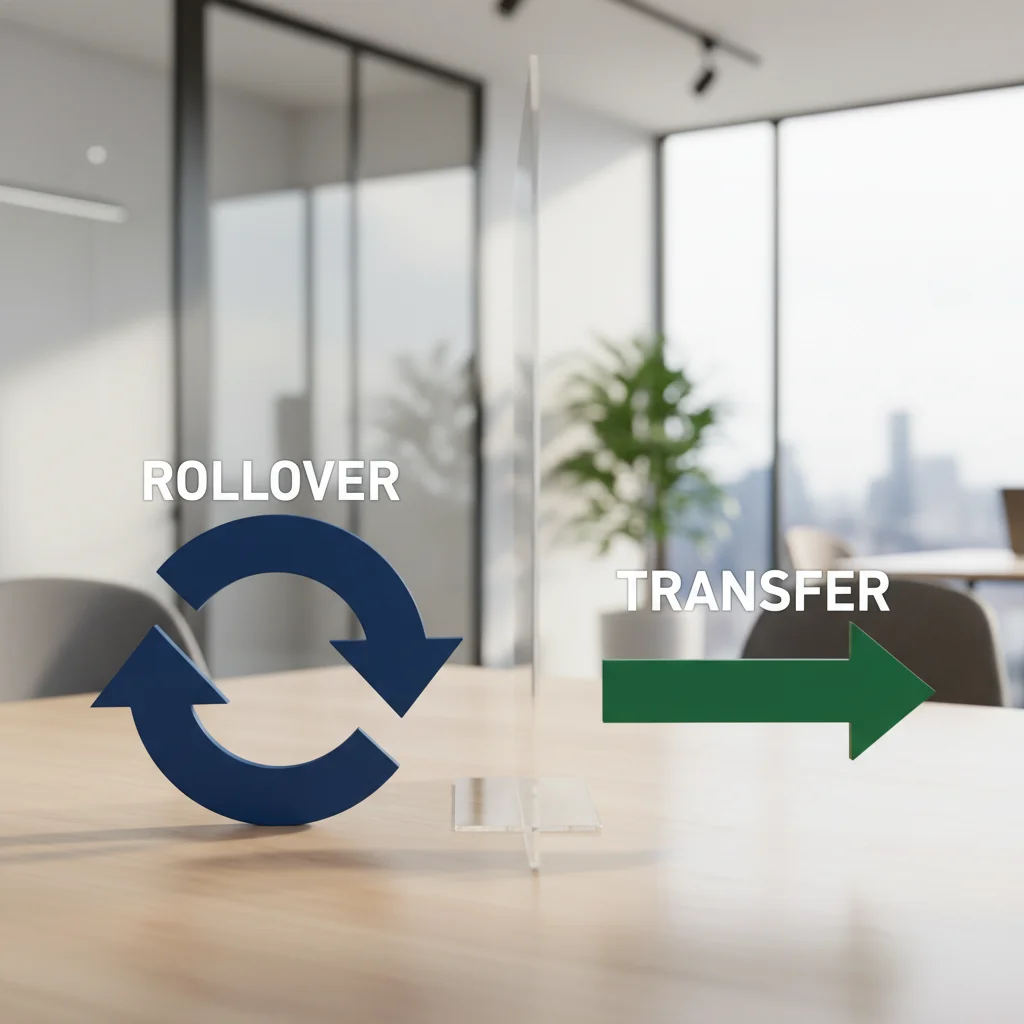
Both rollovers and transfers move funds from an existing retirement account to a Silver IRA, but they differ in execution.
- Rollover: You receive the funds from your existing 401k, and you are responsible for depositing them into the Silver IRA within 60 days to avoid tax penalties. As noted previously, the 60-day rule applies.
- Transfer: Your existing 401k custodian directly transfers the funds to the Silver IRA custodian. This is generally a more straightforward and secure method.
It’s advisable to opt for a direct transfer to minimize the risk of missing the 60-day deadline and incurring tax liabilities.
Is a 401k Rollover to a Silver IRA Taxable?
A direct rollover or transfer is not a taxable event. The funds maintain their tax-deferred status as they move from one retirement account to another. However, if you take possession of the funds and fail to deposit them into the Silver IRA within 60 days, the distribution will be considered taxable income and may be subject to a 10% early withdrawal penalty if you are under 59 1/2 years of age.
Step-by-Step Rollover Process
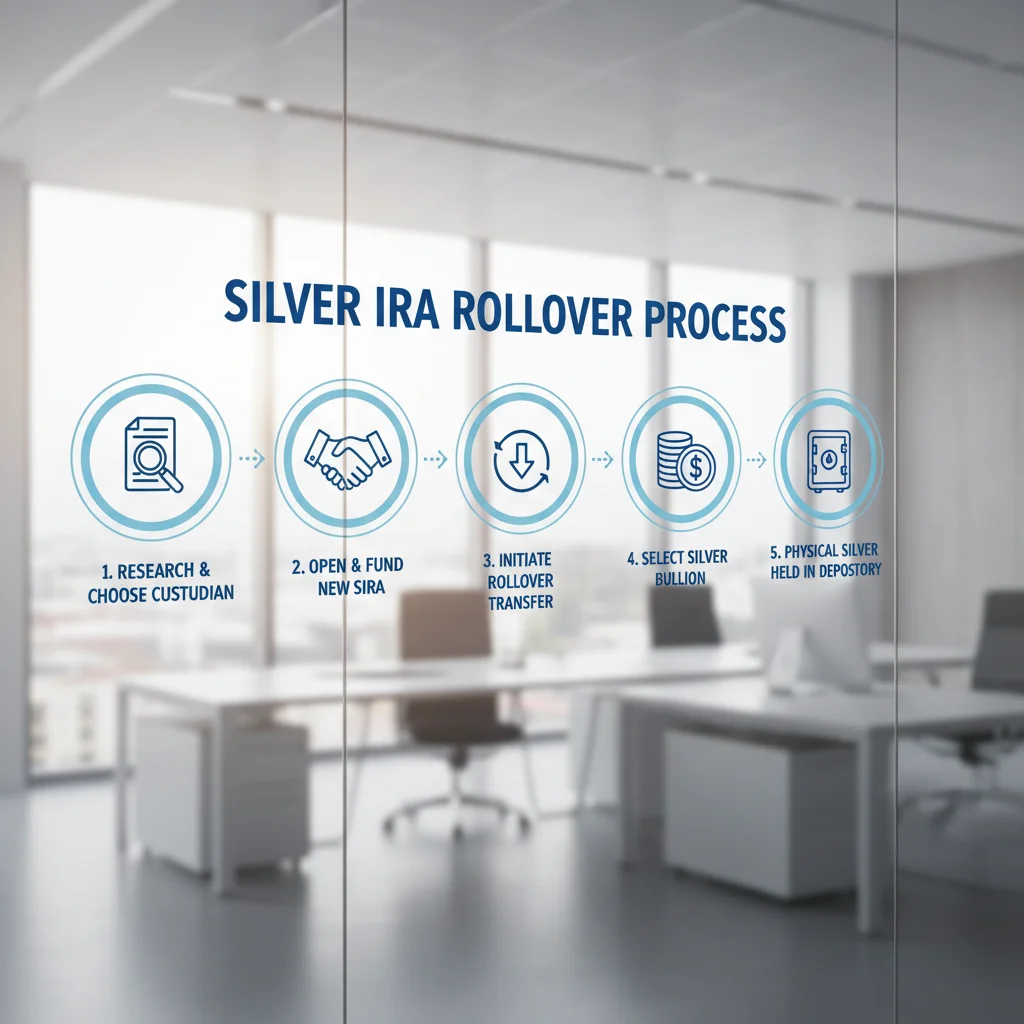
- Choose a Silver IRA Custodian:
- Select a reputable custodian specializing in precious metals IRAs.
- Ensure they are IRS-approved and offer secure storage facilities.
- Open a Self-Directed IRA:
- Complete the necessary paperwork to establish your Silver IRA account with the custodian.
- Specify that you intend to fund the account via a 401k rollover or transfer.
- Initiate the Rollover/Transfer:
- Contact your existing 401k plan administrator and request a direct rollover or transfer to your Silver IRA custodian.
- Provide the necessary account details for the Silver IRA.
- Select Your Silver Products:
- Work with your Silver IRA custodian to purchase IRS-approved silver bars or coins.
- Ensure the silver meets the purity and fineness requirements (typically .999 fine silver).
- Secure Storage:
- Your silver must be stored in an IRS-approved depository.
- The custodian will handle the secure storage and insurance of your precious metals.
IRS-Approved Silver

Not all silver products are eligible for inclusion in a Silver IRA. The IRS has specific requirements for the purity and form of the silver. Generally, the silver must be in the form of bars or coins with a minimum fineness of .999.
Commonly approved silver products include:
- American Eagle Silver Coins
- Canadian Silver Maple Leaf Coins
- Silver Bars (.999 fineness) from approved manufacturers
Custodial and Storage Fees

Be aware of the fees associated with maintaining a Silver IRA. These typically include:
- Setup Fee: A one-time fee to establish the account.
- Annual Custodial Fee: A yearly fee for account maintenance and administration.
- Storage Fee: A fee for the secure storage of your physical silver in an approved depository.
For example, Augusta Precious Metals charges a $50 setup fee and $100 annually for custodial services, plus $100 for storage. Goldco has a $50 setup fee and annual fees ranging from $100 (non-segregated) to $150 (segregated). American Hartford Gold has $0 setup fees, but charges $180 annually for storage and maintenance.
Potential Benefits of a Silver IRA Rollover

- Diversification: Silver can provide diversification to your retirement portfolio, as its price movements are not always correlated with stocks and bonds.
- Hedge Against Inflation: Silver has historically served as an inflation hedge, preserving value during periods of currency devaluation.
- Potential for Appreciation: Silver prices can increase due to industrial demand, technological advancements, and safe-haven demand.
- Tangible Asset: Owning physical silver provides a sense of security, as it is a tangible asset that is not subject to counterparty risk.
Potential Risks and Considerations
- Price Volatility: Silver prices can be volatile, and there is no guarantee of appreciation. For instance, silver crashed 27% alongside a 10% drop in gold prices after Kevin Warsh was nominated as the next Fed chair on January 30.
- Storage Fees: The costs associated with custodial and storage fees can erode returns over time.
- Liquidity: Selling physical silver can take longer and may involve higher transaction costs compared to selling stocks or bonds.
- IRS Regulations: Strict adherence to IRS regulations is essential to avoid penalties and maintain the tax-deferred status of the IRA.
Selecting a Custodian: Due Diligence is Key

Choosing the right custodian is a critical step. Consider the following factors:
- Reputation and Experience: Look for a custodian with a proven track record and positive reviews.
- Fees and Costs: Compare the fee structures of different custodians to find the most cost-effective option.
- Storage Facilities: Ensure the custodian uses secure, IRS-approved depositories.
- Customer Service: Assess the quality of customer service and responsiveness.
- Transparency: The custodian should be transparent about their policies and procedures.
Tax Implications and Reporting

While the rollover itself is not taxable, any distributions you take from your Silver IRA in retirement will be taxed as ordinary income. It is essential to keep accurate records of all transactions and comply with IRS reporting requirements. The IRS provides safe harbor explanations for retirement plan administrators.
Alternatives to a Silver IRA
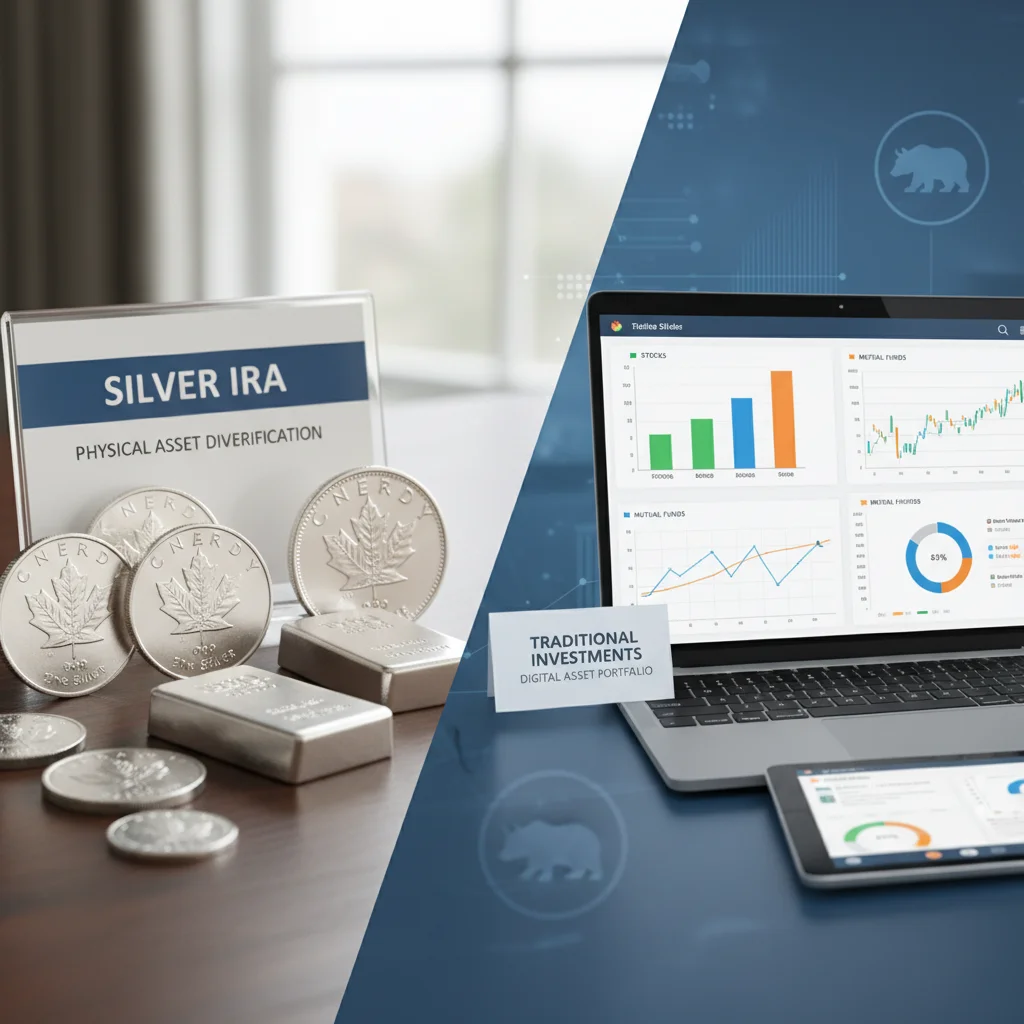
Consider these alternative options if a Silver IRA doesn’t align with your investment strategy:
- Silver ETFs: Exchange-Traded Funds (ETFs) that track the price of silver offer exposure to silver without the need to store physical metal.
- Silver Mining Stocks: Investing in companies involved in silver mine production can provide leverage to silver prices.
- Physical Silver Outside of an IRA: Purchasing physical silver and storing it yourself offers direct ownership but does not provide the tax advantages of an IRA.
Is a Silver IRA Right for You?

A Silver IRA can be a valuable tool for diversifying a retirement portfolio and hedging against economic uncertainty. However, it is essential to carefully consider the risks, costs, and regulatory requirements before making a decision. Consult with a qualified financial advisor to determine if a Silver IRA aligns with your individual investment goals and risk tolerance. With silver prices averaging $81/oz in 2026, according to J.P. Morgan Global Research, understanding the nuances of a Silver IRA is crucial for making informed investment decisions.
Regulatory Deep Dive: Understanding Tax Rules and IRS Regulations for Silver IRAs

Investing in a Silver IRA necessitates a thorough understanding of the applicable tax rules and IRS regulations. These guidelines dictate which silver products are eligible, how the account must be managed, and the tax implications of various transactions.
Eligible Silver Products
The IRS stipulates precise standards for silver that can be held within a Silver IRA. To qualify, silver must meet minimum purity requirements and be in the form of bars or coins manufactured by accredited refiners or government mints.
Specifically, silver must be at least .999 fine. Acceptable forms typically include American Eagle Silver Coins, Canadian Silver Maple Leaf Coins, and Silver Bars (.999 fineness) produced by LBMA or COMEX-approved refiners.
Jewelry, collectibles, and silverware do not meet IRS standards and cannot be held in a Silver IRA. These restrictions ensure the silver’s value is based on its precious metal content rather than numismatic or aesthetic appeal.
Custodial Requirements
A key aspect of Silver IRA regulations involves custodial requirements. The IRS mandates that all Silver IRAs be managed by a qualified custodian. This custodian is responsible for handling all transactions within the account, ensuring compliance with IRS regulations, and providing regular reporting to both the account holder and the IRS.
The custodian also arranges for the secure storage of the physical silver in an IRS-approved depository. Investors cannot store the silver themselves; it must be held in a secure facility that meets IRS standards for safety and segregation. This requirement mitigates the risk of theft, damage, or loss, and ensures the silver’s purity and authenticity are maintained.
Rollover and Contribution Rules
As noted previously, the rollover process allows investors to move funds from existing retirement accounts, such as 401(k)s or traditional IRAs, into a Silver IRA without incurring immediate tax liabilities. This transfer must be conducted as either a direct or indirect rollover. Direct rollovers, where funds are transferred directly from one custodian to another, are generally preferred to avoid potential tax complications.
Indirect rollovers require the account holder to deposit the funds into the new Silver IRA within 60 days to avoid tax penalties. As noted previously, missing this deadline results in the rollover being treated as a distribution, subject to income tax and potential penalties.
Contribution limits apply to Silver IRAs, just as they do to other types of retirement accounts. As of [Current Year], individuals can contribute up to a certain amount annually, with additional catch-up contributions allowed for those age 50 or older. These limits are subject to change each year, so it’s essential to stay informed of the current regulations.
Tax Implications
The tax implications of a Silver IRA depend on the type of IRA—traditional or Roth. Contributions to a traditional Silver IRA may be tax-deductible, reducing taxable income in the year the contribution is made. However, distributions in retirement are taxed as ordinary income.
In contrast, contributions to a Roth Silver IRA are not tax-deductible, but qualified distributions in retirement are tax-free. This can be particularly advantageous if the investor anticipates being in a higher tax bracket in retirement.
It’s important to note that premature withdrawals from a Silver IRA before age 59 1/2 are generally subject to income tax and a 10% early withdrawal penalty. There are a few exceptions to this rule, such as for certain medical expenses or qualified higher education expenses.
Reporting Requirements
Silver IRA custodians are required to file annual reports with the IRS, providing details of all contributions, distributions, and the fair market value of the assets held in the account. These reports help the IRS monitor compliance with tax laws and regulations.
Account holders also have a responsibility to report any transactions involving their Silver IRA on their annual tax return. This includes reporting contributions, rollovers, and distributions. Accurate and timely reporting is crucial to avoid potential audits or penalties.
IRS Audits and Penalties
Failure to comply with IRS regulations can result in audits and penalties. Common violations include holding non-IRS-approved silver, failing to report transactions accurately, or violating the 60-day rule for indirect rollovers.
Penalties for non-compliance can include taxes on distributions, penalties for early withdrawals, and even disqualification of the IRA, which would result in all assets being treated as distributed and subject to income tax.
Counterparty Risk Mitigation
While physical silver eliminates counterparty risk associated with financial products, selecting a reputable custodian and depository is crucial. Investors should conduct thorough due diligence to ensure these entities have a strong track record of security, compliance, and customer service.
Staying Compliant
Navigating the tax rules and IRS regulations for Silver IRAs can be complex. Investors should consult with a qualified tax advisor or financial professional to ensure they are fully compliant with all applicable laws.
Silver IRA Companies: Fees and Considerations
When establishing a Silver IRA, understanding the fee structures and offerings of various companies is crucial. Here’s a snapshot of some leading firms as of [Current Year]:
- Augusta Precious Metals: Requires a $50,000 minimum investment, with $50 for setup and $200 annually for custodian and storage fees. The firm is known for its web conference with Harvard-trained economists.
- Goldco: Sets the minimum investment at $25,000, with a $50 setup fee. Annual fees are $100 for non-segregated storage or $150 for segregated storage. Goldco’s primary offer is up to 10% back in free silver.
- American Hartford Gold: Requires a $10,000 minimum investment. The company stands out by waiving the setup fee. Annual storage and maintenance costs are $180. American Hartford Gold offers a Price Match Guarantee.
- Birch Gold Group: Requires a $10,000 minimum investment, with $50 for setup and $180 annually. Birch Gold Group offers a detailed educational kit.
- Noble Gold Investments: The minimum investment is $20,000, with an $80 setup fee and $150 annual fee. Noble Gold Investments offers Royal Survival Packs.
Understanding these fees and offerings enables investors to make informed decisions aligned with their investment goals and risk tolerance.
What Are the Contribution Limits for a Silver IRA in 2026?
Understanding the specific contribution limits for a Silver IRA is critical for maximizing its benefits and avoiding tax penalties. These limits are subject to annual adjustments by the IRS. Neglecting these rules can lead to complications and unwanted tax implications.
2026 Contribution Limits: The Essentials
For 2026, the IRA contribution limits are tiered by age. Individuals under 50 can contribute up to $7,500. Those aged 50 and over have a higher limit of $8,600.
These figures represent the total annual contribution limit across all personal IRA accounts. If you hold both a traditional IRA and a Roth IRA, the combined contributions cannot exceed these limits.
Income Restrictions and Deduction Limits
While there are no income limits for contributing to a traditional IRA, your income level impacts your ability to deduct contributions from your taxable income. If neither you nor your spouse has access to a workplace retirement savings plan, you can deduct the full amount of your IRA contributions, up to the applicable limit.
However, if either you or your spouse is covered by a workplace plan, your eligible deduction may be reduced based on your tax-filing status and modified adjusted gross income (MAGI).
Traditional IRA Deduction Limits for 2026 (Covered by a Retirement Plan at Work)
- Single Individuals:
- Married (Filing Jointly):
- Married (Filing Separately):
Traditional IRA Deduction Limits for 2026 (Not Covered by a Retirement Plan at Work)
- Single, Head of Household, or Qualifying Widow(er): Any amount allows a full deduction up to the contribution limit.
- Married Filing Jointly (Spouse Not Covered by a Plan): Any amount allows a full deduction up to the contribution limit.
- Married Filing Jointly (Spouse Covered by a Plan):
- Married Filing Separately (Spouse Covered by a Plan):
Roth IRA Contribution Limits
Roth IRAs have income limits that may restrict your ability to contribute. However, contributions are made with post-tax dollars, and qualified withdrawals in retirement are tax-free.
Strategies for Exceeding Savings Limits
For those seeking to save beyond IRA contribution limits, consider these options:
- Workplace Retirement Plans: Maximize contributions to 401(k) or 403(b) plans.
- Self-Employed 401(k) or SEP IRA: As of 2025, self-employed individuals can save up to $70,000 in these plans.
- Catch-Up Contributions: If you’re age 50 or older and have a 401(k) or 403(b) plan, you can save an additional $7,500 in 2025.
- SECURE 2.0 Act: Starting in 2025, individuals between 60 and 63 with a 401(k) or 403(b) plan may be eligible for higher catch-up contributions—up to $11,250.
What Happens if You Over-Contribute?
Contributing too much to your IRA triggers consequences. You have until the tax deadline to withdraw excess contributions and any earnings they generated. You’ll need to report these earnings on your taxes. Failure to correct excess contributions by the tax deadline results in a 6% tax penalty on the excess amount each year until the funds are removed.
Contribution Deadline

You can make IRA contributions for 2026 until the unextended federal tax deadline in 2027.
Choosing the Right Silver IRA Custodian
Selecting a custodian is a key step in establishing your Silver IRA. Custodians handle the administrative tasks, ensure compliance with IRS regulations, and provide secure storage for your physical silver.
Several firms offer Silver IRA custodial services. These include:
- Augusta Precious Metals: Known for their web conference with Harvard-trained economists, Augusta Precious Metals has a $50 setup fee, $100 annual custodial fee, and a $100 storage fee, with a $50,000 minimum investment.
- Goldco: Goldco offers up to 10% back in free silver and charges a $50 setup fee. Annual fees are $100 for non-segregated storage and $150 for segregated storage, with a $25,000 minimum investment.
- American Hartford Gold: American Hartford Gold features a price match guarantee. There’s no setup fee, and the annual fee is $180 for storage and maintenance, with a $10,000 minimum investment.
- Birch Gold Group: Birch Gold Group provides a detailed educational kit. They charge a $50 setup fee and $180 annual fee, with a $10,000 minimum investment.
- Noble Gold Investments: Noble Gold Investments offers Royal Survival Packs. The setup fee is $80, and the annual fee is $150, with a $20,000 minimum investment.
Maximizing Your Silver IRA in 2026
Prudent planning and adherence to IRS guidelines are essential for leveraging the benefits of a Silver IRA. Staying informed about contribution limits, income restrictions, and storage requirements enables investors to optimize their retirement savings and navigate the precious metals market effectively.
How Do I Avoid Penalties When Rolling Over to a Silver IRA?
Navigating a rollover to a Silver IRA requires meticulous attention to detail to avoid triggering unintended tax penalties. The IRS has specific rules regarding how these transactions must be handled. Primary risks include early distribution penalties and failing to meet deadlines.
Understanding the 60-Day Rule
Recall that the 60-day rule applies when you take a distribution from a retirement account with the intention of rolling it over into another qualified account, such as a Silver IRA. You have 60 days from the date you receive the distribution to complete the rollover.
Failing to meet this deadline results in the distribution being treated as a taxable event, subject to ordinary income tax. If you’re under age 59 ½, the distribution may also be subject to a 10% early withdrawal penalty.
Example: If you receive a distribution on March 1, 2026, you must complete the rollover by April 29, 2026 (60 days later) to avoid penalties.
Direct Rollover vs. Indirect Rollover
The method you choose for your rollover impacts your risk of incurring penalties.
-
Direct Rollover: Funds are transferred directly from your existing retirement account custodian to your Silver IRA custodian. This is generally the safest method, as you never take direct possession of the funds, minimizing the risk of missing the 60-day deadline or accidentally commingling funds.
-
Indirect Rollover: You receive a distribution from your existing retirement account, and you are responsible for depositing it into your Silver IRA within 60 days. While permissible, this method carries a higher risk of error.
Penalty Avoidance Strategy: Opt for a direct rollover whenever possible to minimize the risk of penalties associated with the 60-day rule.
One Rollover Per Year Rule
The IRS limits indirect rollovers to one per 12-month period, regardless of how many IRAs you own. This rule applies to each individual IRA, not across all your IRAs. Violating this rule can lead to the disqualification of the subsequent rollover, treating it as a taxable distribution with potential penalties.
Example: If you execute an indirect rollover from IRA “A” on June 1, 2026, you cannot perform another indirect rollover from that same IRA until after June 1, 2027. You can, however, execute an indirect rollover from a different IRA (“B”) before that date, provided it meets all other requirements.
Penalty Avoidance Strategy: Meticulously track your rollover dates for each IRA to ensure compliance with the one-rollover-per-year rule. Direct rollovers and transfers do not trigger this rule.
Understanding Withholding Requirements
When you take an indirect distribution from a workplace retirement savings plan, your plan administrator is required to withhold 20% for federal income taxes. This means that if you intend to roll over the entire balance to your Silver IRA, you must use other funds to make up the withheld amount.
Example: If you have $50,000 in a 401(k) and take an indirect distribution, $10,000 (20%) will be withheld for taxes. To roll over the full $50,000, you must deposit $60,000 into your Silver IRA within 60 days, effectively using $10,000 from another source to cover the withholding. You’ll then claim a refund for the withheld amount when you file your taxes.
Failing to replace the withheld amount means only $40,000 is rolled over, and the remaining $10,000 is treated as a taxable distribution.
Penalty Avoidance Strategy: Plan for the 20% withholding by having sufficient liquid assets available to cover the shortfall. Again, direct rollovers avoid this issue entirely.
Ineligible Assets
Recall that the IRS regulations stipulate that not all assets are permissible in an IRA. Attempting to roll over ineligible assets, such as collectibles, into your Silver IRA will result in the disqualification of the rollover and immediate taxation of the distributed amount.
Penalty Avoidance Strategy: Only roll over cash or assets that are explicitly permitted within an IRA structure.
Choosing a Qualified Custodian and Depository

The custodial requirements mandate that your Silver IRA must be held with a qualified custodian, such as a bank, trust company, or an IRS-approved depository. The silver itself must be stored in an IRS-approved depository. Failure to adhere to these rules results in the IRA losing its tax-advantaged status, and the assets being treated as distributed.
Penalty Avoidance Strategy: Conduct thorough due diligence to ensure that both the custodian and depository are fully compliant with IRS regulations.
Common Mistakes to Avoid
- Personal Use: Taking personal possession of the silver after the rollover is complete. The silver must be held at the IRS-approved depository.
- Improper Documentation: Failing to maintain accurate records of the rollover, including dates, amounts, and custodian information.
- Ignoring Deadlines: Missing the 60-day rule is a common and costly error.
- Mixing Funds: Commingling rollover funds with personal funds can complicate the process and potentially trigger unintended tax consequences.
- Investing in Non-Compliant Silver: As noted previously, only IRS-approved silver (.999 fine silver, Silver Bars (.999 fineness), American Eagle Silver Coins, Canadian Silver Maple Leaf Coins) are permitted.
Capital Preservation Protocol: Due Diligence Checklist
Prior to initiating a rollover to a Silver IRA, confirm the following:
- Custodian Verification: Verify that your chosen custodian is IRS-approved and experienced in handling Silver IRAs.
- Depository Confirmation: Ensure the depository used by the custodian is IRS-approved for storing precious metals within an IRA.
- Asset Eligibility: Confirm that all assets intended for rollover meet the IRS’s purity and form requirements for silver.
- Rollover Method: Opt for a direct rollover whenever possible to minimize the risk of errors and withholding issues.
- Record Keeping: Maintain meticulous records of all transactions, including dates, amounts, and custodian details.
- Professional Consultation: Consult with a qualified tax advisor or financial professional to ensure full compliance with all applicable regulations.
Silver IRA Provider Comparison
Several firms specialize in facilitating Silver IRAs. Here’s a comparison of key features, based on current data:
| Feature | Augusta Precious Metals | Goldco | American Hartford Gold | Birch Gold Group | Noble Gold Investments |
|---|---|---|---|---|---|
| Setup Fee | $50 | $50 | $0 | $50 | $80 |
| Annual Fee | $100 (Custodian) + $100 (Storage) | $100 (Non-Segregated) or $150 (Segregated) | $180 (Storage + Maintenance) | $180 | $150 |
| Minimum Investment | $50,000 | $25,000 | $10,000 | $10,000 | $20,000 |
| Rating | 4.9/5 | 4.8/5 | 4.9/5 | 4.7/5 | 4.8/5 |
| BBB Rating | A+ | A+ | A+ | A+ | A+ |
| Primary Offer | Web conference with Harvard-trained economists | Up to 10% back in free silver | Price Match Guarantee | Detailed educational kit | Royal Survival Packs |
Disclaimer: Fees and features are subject to change. Verify directly with each provider.
What Are the Benefits of Investing in a Silver IRA?
A Silver IRA offers several potential advantages, primarily related to diversification and acting as an inflation hedge. However, potential investors must weigh these benefits against the costs and risks involved.
Diversification and Portfolio Balance

One of the primary benefits of a Silver IRA is its potential to diversify an investment portfolio. Financial portfolios are often heavily weighted in stocks and bonds, exposing them to market volatility. Silver prices do not always move in tandem with these assets, offering a potential counterbalance. For example, during times of economic uncertainty or crises, investors often turn to precious metals as safe-haven assets, potentially driving up silver prices even as stock values decline.
Inflation Hedge
Silver is often considered an inflation hedge, protecting against the declining purchasing power of fiat currencies. Unlike currencies, which can be devalued through monetary policy, silver has a limited supply. As the cost of goods and services rises due to inflation, silver prices may also increase, preserving wealth.
Tax Advantages
Silver IRAs offer tax advantages, depending on the account type. A traditional Silver IRA provides tax-deferred growth. A Roth Silver IRA may allow for tax-free qualified withdrawals in retirement. These tax benefits can make holding silver in an IRA more attractive compared to owning it in a taxable account, where profits are subject to capital gains taxes.
Tangible Asset
Silver, unlike many investments, is a tangible asset. It exists independently of any financial system or third party. This can be particularly appealing given events where digital balances disappeared overnight due to institutional failures. Physical silver, stored in a secure depository, cannot vanish due to bankruptcy or cyberattacks.
Potential Downsides to Consider
While Silver IRAs offer potential benefits, they also have drawbacks that investors need to consider. These include costs, price volatility, and storage requirements.
Costs and Fees
Investing in a Silver IRA involves various costs in addition to the price of the silver itself. These include setup fees, annual custodial fees, storage fees, and insurance costs. These expenses can reduce overall returns, especially if silver prices remain stagnant or decline.
Price Volatility
Silver prices can be volatile, experiencing sharp swings over short periods. Unlike dividend-paying stocks or interest-bearing bonds, silver does not generate income. Returns depend entirely on price appreciation, which can be unpredictable.
Storage Requirements
Physical silver held in an IRA must be stored in an IRS-approved depository. This can add to the overall cost of ownership and limit immediate access to the physical metal.
Setting Up a Silver IRA: Key Steps
Setting up a Silver IRA involves several key steps, from choosing a custodian to selecting and storing the silver.
Selecting a Custodian
The first step is to select a custodian that offers self-directed IRAs and permits precious metals. The custodian is responsible for maintaining the account, handling transactions, and ensuring compliance with IRS regulations. Fees, experience, and service levels can vary significantly among custodians. Several firms offer Silver IRAs, including:
- Augusta Precious Metals: Requires a $50,000 minimum investment, with setup fees of $50 and annual fees of $200 ($100 for custodian, $100 for storage). They are known for their web conferences with Harvard-trained economists and have an A+ BBB rating.
- Goldco: Requires a $25,000 minimum investment, with setup fees of $50 and annual fees ranging from $100 (non-segregated storage) to $150 (segregated storage). They offer up to 10% back in free silver and have an A+ BBB rating.
- American Hartford Gold: Requires a $10,000 minimum investment, with no setup fee and $180 annual fee (storage and maintenance). They offer a price match guarantee and have an A+ BBB rating.
- Birch Gold Group: Requires a $10,000 minimum investment, with setup fees of $50 and annual fees of $180. They provide a detailed educational kit and have an A+ BBB rating.
- Noble Gold: Requires a $20,000 minimum investment, with setup fees of $80 and annual fees of $150. They are known for their Royal Survival Packs and have an A+ BBB rating.
Funding the Account
Once the account is open, it can be funded through a rollover or transfer from an existing retirement account or by making new contributions, subject to IRA contribution limits. Rollovers are a common approach, especially for investors shifting assets from a 401(k) or traditional IRA.
Purchasing Silver
After funding the account, investors choose the silver products to purchase, such as qualifying bars or coins. The custodian typically coordinates the purchase through a precious metals dealer, but the investor decides which assets to buy.
Storing the Silver
Physical silver held in an IRA must be stored at an IRS-approved depository rather than at home. These facilities provide insured, secure storage and handle the logistics of safeguarding the metal.
Silver IRA: Strategic Considerations
Investing in a Silver IRA can be a strategic move for portfolio diversification and inflation protection. However, it’s essential to consider the volatility of silver prices and the additional costs involved.
Balancing Risk and Reward
Investors should carefully assess their risk tolerance and investment goals before investing in a Silver IRA. While silver can offer diversification and inflation protection, it’s not a guaranteed path to riches. Silver prices can be volatile, and the costs associated with maintaining a Silver IRA can eat into returns.
Diversification Within Precious Metals
Within a precious metals allocation, investors must decide how to split their investments between gold and silver. Gold is often seen as a more stable store of value, while silver is considered to have more upside potential. A common strategy is to allocate a larger portion of the precious metals holdings to gold, with a smaller allocation to silver for potential growth.
Economic Conditions
Economic conditions can also influence the decision to invest in a Silver IRA. During periods of high inflation or currency instability, increasing the allocation to silver may be beneficial. However, it’s essential to remember that past performance is not indicative of future results.
Alternatives to a Silver IRA
For investors seeking exposure to silver without the complexities and costs of a Silver IRA, there are alternative options to consider.
Silver ETFs
Silver ETFs (Exchange Traded Funds) offer a way to invest in silver without owning the physical metal. These ETFs track the price of silver and trade on stock exchanges. They offer liquidity and diversification, but they do not provide the same level of tangible asset ownership as a Silver IRA.
Silver Mining Stocks
Investing in silver mining stocks can provide exposure to the silver market. These stocks represent ownership in companies that mine and produce silver. However, they are subject to the risks associated with the mining industry, such as political instability, environmental regulations, and operational challenges.
Physical Silver Outside an IRA
Owning physical silver outside an IRA offers more flexibility and control over the asset. Investors can store the silver at home or in a private safe, and they can sell it whenever they want without having to coordinate with a custodian. However, profits from selling silver outside an IRA are subject to capital gains taxes, and there are no tax advantages to holding the asset.
Conclusion: A Balanced Approach
Investing in a Silver IRA can be a strategic move for those seeking diversification and a hedge against inflation. However, potential investors must carefully weigh the benefits against the costs and risks involved. A balanced approach that considers individual circumstances, risk tolerance, and investment goals is essential.
Market Data Integration
| Feature | Augusta Precious Metals | Goldco | Birch Gold | Noble Gold | American Hartford Gold |
|---|---|---|---|---|---|
| Overall Ranking | #1 | Top Tier | Top Tier | N/A | Top Tier |
| Best For | Overall | Silver IRAs | Secure Retirement | N/A | Low Fees |
| Fees | N/A | N/A | N/A | N/A | Low |
| Services | Gold & Silver IRAs | Silver IRAs | Gold & Silver IRAs | N/A | Gold & Silver IRAs |
| Transparency | High | N/A | N/A | N/A | N/A |
| Education | Excellent | N/A | N/A | N/A | N/A |
Tactical Action Plan: Silver IRA Rollover for Capital Preservation (2026)
This action plan consolidates key strategies for maximizing capital preservation within your Silver IRA.
I. What to Buy:
- Prioritize Physical Silver: Focus on .999 fine silver bullion.
- Diversify Forms:
- Bars: Larger bars (e.g., 100 oz, 1000 oz) offer the lowest premium per ounce but require secure storage.
- Coins: American Silver Eagles, Canadian Silver Maple Leafs, and other recognized bullion coins offer liquidity and are easily verifiable.
- Rounds: A balance between bars and coins, rounds can be more cost-effective than coins.
- Consider IRA-Approved Products: Ensure all purchases meet IRS guidelines for precious metals within an IRA. Verify with your custodian.
- Avoid Collectibles: Numismatic coins and graded “proof” coins are generally discouraged due to higher premiums and subjective valuations.
II. When to Buy:
- Dollar-Cost Averaging: Invest a fixed dollar amount at regular intervals (e.g., monthly, quarterly) to mitigate the impact of price volatility.
- Monitor Spot Price Dips: Take advantage of price corrections. Set price alerts to notify you of significant dips.
- Analyze Technical Indicators: Use technical analysis (e.g., moving averages, RSI) to identify potential buying opportunities. Be aware that technical analysis is not foolproof.
- Consider Seasonal Trends: Silver prices often exhibit seasonal patterns. Research historical trends to identify potentially favorable buying periods.
- Macroeconomic Awareness: Stay informed about economic indicators (inflation, interest rates, GDP growth) and geopolitical events that can influence silver prices.
III. Ratios:
- Silver-to-Gold Ratio: Monitor the silver-to-gold ratio. Historically, silver has been undervalued when the ratio is high. Consider increasing your silver holdings when the ratio is significantly above its historical average.
- Allocation Percentage: Determine your desired allocation to silver within your overall investment portfolio based on your risk tolerance and investment goals. Rebalance periodically to maintain your target allocation.
IV. Storage:
- Secure Third-Party Depository: Utilize an IRS-approved depository for physical storage of your silver. This is a mandatory requirement for Silver IRAs.
- Insurance Coverage: Ensure your silver is fully insured against theft, damage, or loss while stored at the depository.
- Regular Audits: Choose a depository that undergoes regular independent audits to verify the security and accuracy of their holdings.
- Segregated Storage: Opt for segregated storage, where your specific silver holdings are stored separately from other clients’ assets, rather than commingled storage.
V. Exit Strategy:
- Define Your Objectives: Determine your target price or investment horizon for selling your silver.
- Monitor Market Conditions: Continuously assess market conditions and adjust your exit strategy as needed.
- Tax Implications: Understand the tax implications of liquidating your Silver IRA. Distributions are typically taxed as ordinary income.
- Phased Exit: Consider a phased exit strategy, selling portions of your silver holdings over time to lock in profits and reduce risk.
- Rollover Options: Explore the possibility of rolling over your silver IRA into another type of retirement account if it aligns with your evolving investment goals.
- Physical Delivery (If Available): Some custodians may allow physical delivery of your silver upon retirement, but this can trigger taxable events and storage responsibilities. Confirm with your custodian.
Recommended Reading
- Read: Gold IRA Guide
-
Read: [[INFLATION_HEDGING Inflation Hedging]] -
Read: [[PRECIOUS_METALS_MARKET_TRENDS Precious Metals Market Trends]]