The Ultimate Guide to Choosing the Best Crypto Cold Storage for Beginners
The Ultimate Guide to Choosing the Best Crypto Cold Storage for Beginners
\n\n## What is Crypto Cold Storage?
Cold storage, in the context of cryptocurrency, refers to keeping a cryptocurrency offline. This method protects digital assets from hacking, theft, and other online vulnerabilities. Unlike hot wallets, which are connected to the internet, cold storage solutions offer a significantly higher level of security, albeit with slightly less convenience for frequent transactions.
The Core Principle: Air Gap
The fundamental principle behind cold storage is the “air gap.” This means the private keys used to access and manage your cryptocurrency are generated and stored on a device that has never been connected to the internet and will not be connected in the future without careful consideration. This isolation prevents remote access by malicious actors, significantly reducing the risk of unauthorized transactions.
Types of Cold Storage Solutions
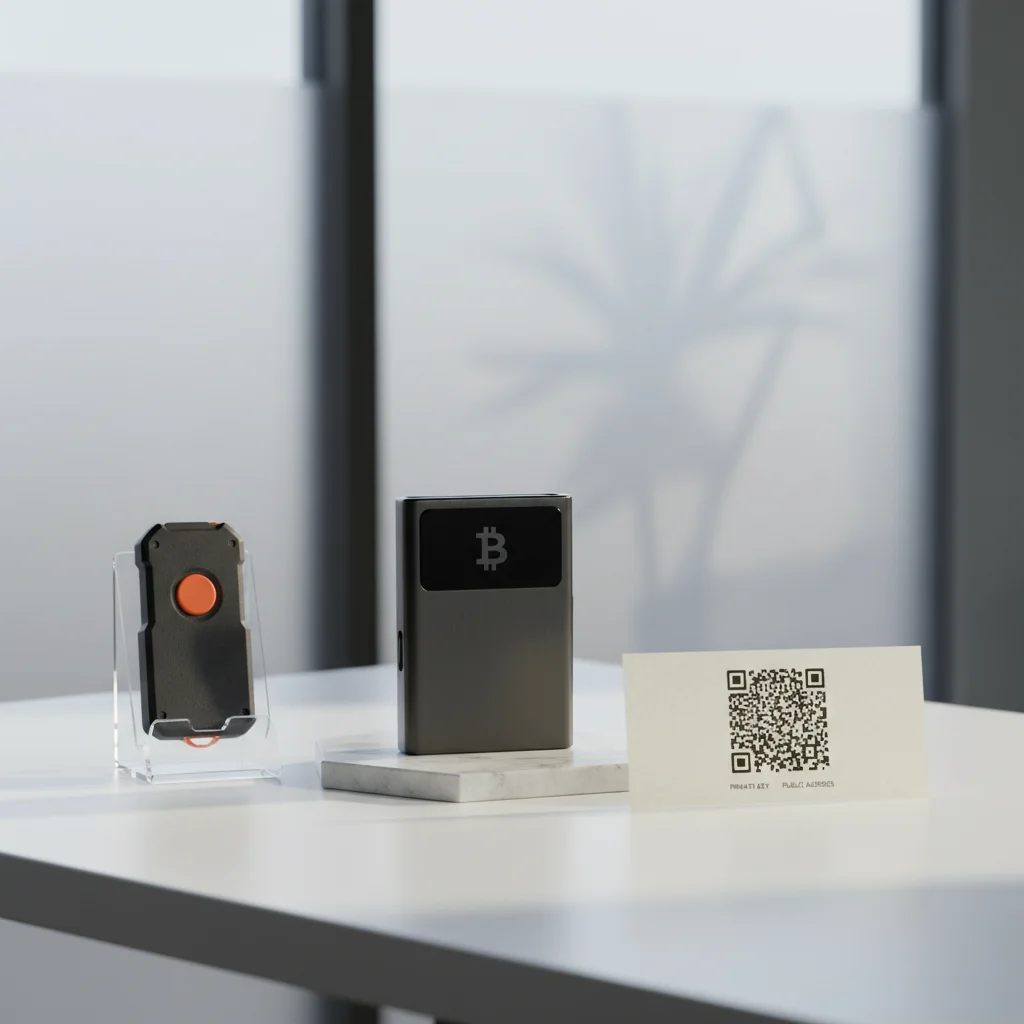
Several cold storage options are available, each with its own set of trade-offs between security, usability, and cost. The most common include:
- Hardware Wallets: These are physical devices, resembling USB drives, specifically designed to store private keys offline. They generate keys internally and sign transactions without exposing the keys to the connected computer. Popular hardware wallets include Ledger and Trezor, with prices ranging from around $59 to over $200.
- Paper Wallets: A paper wallet involves printing out your public and private keys. The keys are generated offline using a secure, open-source tool. While cost-effective, paper wallets are susceptible to physical damage (fire, water) and require careful handling to avoid compromise.
- Software Cold Storage (Air-Gapped Computers): This method involves using a dedicated computer that is never connected to the internet to generate and store private keys. Transactions are created on the offline computer, then transferred to an online computer (via USB, QR code, or other methods) for broadcasting to the network. This approach offers a balance between security and usability.
- Multi-Signature (Multi-Sig) Wallets: Although not strictly “cold storage” in the traditional sense, multi-sig wallets can significantly enhance security. They require multiple private keys to authorize a transaction. These keys can be distributed across different devices and locations, including offline storage.
Hardware Wallets: A Closer Look
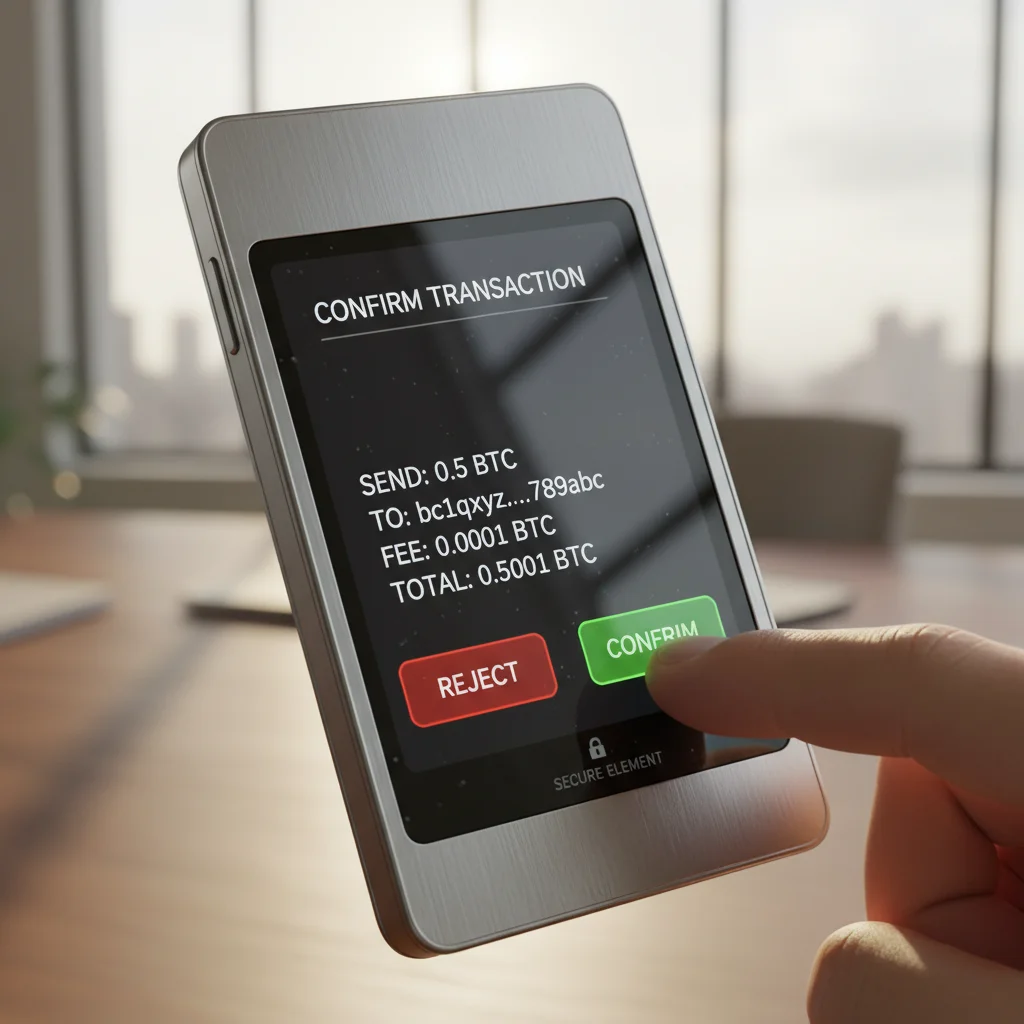
Hardware wallets are arguably the most user-friendly and secure cold storage option for most cryptocurrency holders. Here’s a breakdown of their key features and functionalities:
- Key Generation: Hardware wallets generate private keys internally using a true random number generator (TRNG). This ensures the keys are created in a secure environment, minimizing the risk of compromise.
- Transaction Signing: When you want to send cryptocurrency, the transaction is created on your computer, but the signing process (which requires your private key) takes place within the hardware wallet. The private key never leaves the device, even when connected to a compromised computer.
- PIN Protection: Hardware wallets are typically protected by a PIN code. If the PIN is entered incorrectly multiple times, the device may reset to factory settings, protecting your funds from unauthorized access.
- Recovery Phrase (Seed Phrase): Upon initial setup, hardware wallets generate a recovery phrase (usually 12 or 24 words). This phrase is a backup of your private keys and allows you to recover your funds if the device is lost, stolen, or damaged. It is crucial to store this phrase securely and offline.
- Firmware Updates: Hardware wallet manufacturers regularly release firmware updates to address security vulnerabilities and add new features. It’s essential to keep your device’s firmware up to date.
Paper Wallets: Simplicity and Risk

Paper wallets offer a low-cost alternative to hardware wallets, but they come with certain risks:
- Key Generation: It’s crucial to generate paper wallet keys offline using a trusted, open-source tool. Avoid online key generators, as they may be compromised.
- Printing: Print the paper wallet using a printer that is not connected to the internet. This prevents the printer from storing or transmitting your private keys.
- Storage: Store the paper wallet in a secure, dry place, protected from physical damage. Consider laminating it to protect it from water damage.
- Spending Funds: Spending funds from a paper wallet requires importing the private key into a hot wallet or using a specialized tool. This process can expose the private key to online vulnerabilities if not done carefully. It is generally recommended to sweep the entire balance of the paper wallet when spending from it, rather than spending partial amounts.
- One-Time Use Recommendation: Due to the complexities and risks associated with securely spending from a paper wallet, many security experts recommend treating them as single-use wallets. Once funds have been spent, the paper wallet should be considered compromised and no longer used.
Air-Gapped Computers: Advanced Security

Using an air-gapped computer for cold storage offers a high level of security for technically proficient users:
- Dedicated Hardware: A dedicated computer, preferably a clean install of an operating system like Linux, should be used exclusively for cryptocurrency storage.
- Offline Environment: The computer should never be connected to the internet. Disable Wi-Fi and Bluetooth to ensure complete isolation.
- Key Generation and Storage: Generate and store private keys on the offline computer using a secure wallet software.
- Transaction Creation and Signing: Create and sign transactions on the offline computer.
- Data Transfer: Transfer the signed transaction to an online computer for broadcasting to the network. This can be done via USB drive, QR code, or other secure methods.
- Increased Complexity: This method requires a higher level of technical expertise compared to hardware or paper wallets. However, the increased security can be worth the effort for large cryptocurrency holdings.
Multi-Signature Wallets: Collaborative Security

Multi-signature (multi-sig) wallets enhance security by requiring multiple private keys to authorize a transaction. This approach can be combined with cold storage to create a highly secure system:
- Distributed Control: Multi-sig wallets distribute control over your cryptocurrency among multiple parties or devices.
- Threshold Requirement: A multi-sig wallet is configured with a specific threshold (e.g., 2-of-3, 3-of-5). This means that a certain number of signatures are required to authorize a transaction.
- Cold Storage Integration: Some of the private keys can be stored in cold storage, while others are kept online for convenience. For example, one key could be stored on a hardware wallet, another on a secure server, and a third with a trusted third party.
- Enhanced Security: Multi-sig wallets protect against single points of failure. If one key is compromised, the attacker cannot access the funds without the other required keys.
Choosing the Right Cold Storage Solution

The best cold storage solution depends on your individual needs, technical expertise, and risk tolerance.
- Hardware wallets offer a good balance of security and usability for most users.
- Paper wallets are a low-cost option for long-term storage of smaller amounts of cryptocurrency, but require careful handling.
- Air-gapped computers provide the highest level of security for technically proficient users with large holdings.
- Multi-sig wallets enhance security by distributing control among multiple parties or devices.
Best Practices for Cold Storage

Regardless of the chosen method, these best practices are essential for maintaining the security of your cryptocurrency in cold storage:
- Secure Key Generation: Generate private keys offline using a trusted, open-source tool.
- Offline Storage: Store private keys offline in a secure location, protected from physical damage and unauthorized access.
- Backup and Redundancy: Create multiple backups of your private keys or recovery phrase and store them in different secure locations.
- Physical Security: Protect your hardware wallet or paper wallet from theft or damage.
- Software Updates: Keep your hardware wallet firmware and software up to date.
- Phishing Awareness: Be wary of phishing attempts that try to trick you into revealing your private keys or recovery phrase.
- Test Transactions: Before storing large amounts of cryptocurrency in cold storage, test the process with a small amount to ensure you understand how it works.
- Regular Audits: Periodically review your cold storage setup and security practices to identify and address any potential vulnerabilities.
By understanding the principles of cold storage and following these best practices, cryptocurrency holders can significantly reduce the risk of theft and loss, ensuring the long-term security of their digital assets. \n\n\n## Why Do You Need Cold Storage for Your Crypto?
The “macro gap” in cryptocurrency isn’t about its potential; it’s about the chasm between its promise of decentralized finance and the everyday reality of centralized custodianship. While the technology offers unprecedented control, most users leave their digital assets vulnerable to third-party risks. Comprehending the necessity of cold storage is thus paramount for responsible participation in the crypto-economy.
The High Cost of Convenience

The allure of exchanges and online wallets lies in their ease of use. However, this convenience comes at a steep price – control. Leaving your crypto on an exchange is akin to depositing gold in a bank that can be hacked, frozen, or simply mismanaged. The collapse of FTX, which lost over $8 billion in customer funds, is a stark reminder of this risk.
The core tenet of cryptocurrency is self-sovereignty. By relinquishing control of your private keys to a third party, you fundamentally undermine this principle. You’re no longer in direct control of your assets; instead, you have a claim on the exchange, a claim that could become worthless overnight. As of November 2022, the implosion of centralized entities like BlockFi, Voyager Digital, and Celsius saw at least US$56 billion in direct and indirect losses for investors.
Security Benefits: Mitigating the Attack Vectors
Cold storage drastically reduces the attack surface available to hackers. Unlike hot wallets, which are constantly connected to the internet, cold wallets are offline, rendering them impervious to remote attacks. This offline status is the primary defense against phishing scams, malware, and exchange hacks.
Consider the case of the KuCoin exchange hack in September 2020, where attackers stole over $280 million in cryptocurrency. Users who held their funds in cold storage were unaffected. While no system is entirely foolproof, the added layer of security provided by cold storage significantly reduces the probability of loss.
Moreover, cold storage devices often incorporate multiple layers of security, such as PIN codes, passphrase protection, and tamper-evident seals. These features deter physical attacks and ensure that even if the device is compromised, the attacker cannot access the funds without the proper credentials.
Quantifying the Risk: A Data-Driven Perspective
To illustrate the magnitude of the risk, consider the following:
- Exchange Hacks: Cryptocurrency exchanges have been targeted by hackers since the inception of Bitcoin. Mt. Gox, once the largest Bitcoin exchange, collapsed in 2014 after losing 850,000 Bitcoins, worth hundreds of millions of dollars at the time.
- Malware Attacks: Sophisticated malware can steal private keys from computers and mobile devices. The “CryptoShuffler” malware, for example, replaces cryptocurrency addresses in the clipboard, diverting funds to the attacker’s address. In 2018, it was estimated that CryptoShuffler had stolen nearly $140,000 worth of cryptocurrency.
- Phishing Scams: Phishing attacks trick users into revealing their private keys or seed phrases. These attacks often masquerade as legitimate websites or emails, making them difficult to detect. According to a 2023 report, phishing attacks targeting cryptocurrency users increased by 40% compared to the previous year.
These figures underscore the pervasive and evolving nature of cyber threats in the cryptocurrency space. While exchanges implement security measures, they remain a centralized target for attackers. Cold storage removes this single point of failure, empowering users to take control of their own security.
Peace of Mind: The Immeasurable Value
Beyond the quantifiable security benefits, cold storage offers something invaluable: peace of mind. Knowing that your digital assets are secured offline provides a sense of control and security that is absent when relying on third-party custodians.
This peace of mind is particularly important in a volatile and often unpredictable market like cryptocurrency. The ability to sleep soundly, knowing that your funds are safe from online threats, is a significant advantage.
Furthermore, cold storage allows for long-term holding without the constant worry of exchange solvency or regulatory changes. It enables investors to focus on the fundamentals of their chosen cryptocurrencies, rather than being distracted by short-term risks.
Practical Steps: Implementing Cold Storage
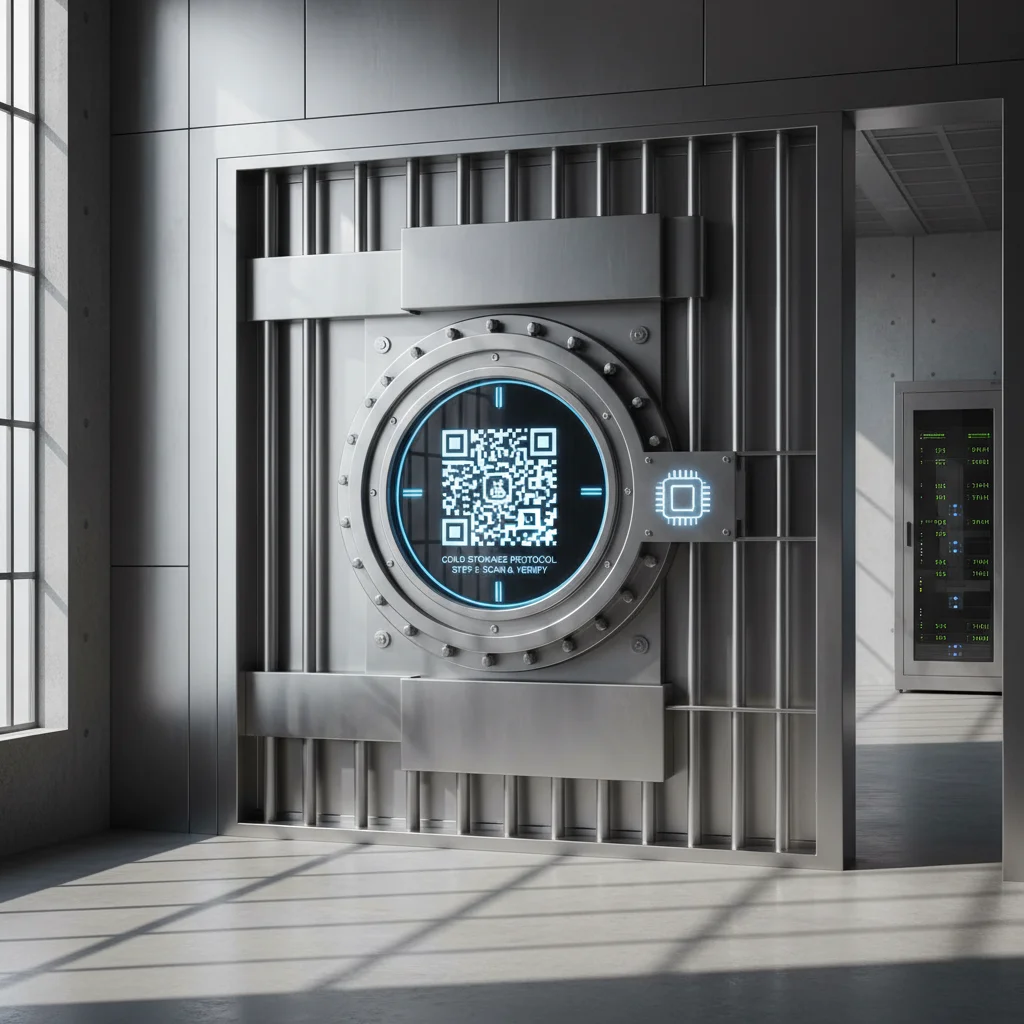
Implementing cold storage doesn’t have to be complicated. The first step is to acquire a hardware wallet from a reputable manufacturer. Ensure that the device is new and has not been tampered with.
Next, generate a new seed phrase on the device and store it in a safe and secure location. Never store your seed phrase digitally or share it with anyone. Consider using a metal seed phrase storage device to protect it from fire and water damage.
Finally, transfer your cryptocurrency from the exchange or hot wallet to your cold storage device. Always double-check the receiving address before sending funds.
Regularly back up your seed phrase and familiarize yourself with the device’s recovery process. This will ensure that you can recover your funds in the event of device loss or damage.
The Bottom Line: Sovereign Control

The decision to use cold storage is a fundamental choice about control and responsibility. It’s a rejection of the centralized model and an embrace of the decentralized ethos of cryptocurrency.
While exchanges provide a convenient entry point into the crypto-economy, they should not be viewed as long-term storage solutions. Cold storage empowers users to take ownership of their financial future, minimize counterparty risk, and participate in the cryptocurrency revolution with confidence. The cost of inaction – leaving your assets vulnerable to theft or loss – far outweighs the minor inconvenience of managing your own private keys. By prioritizing security and self-sovereignty, investors can navigate the digital asset landscape with greater resilience and peace of mind. \n\n\n## How to Choose the Best Cold Storage for Beginners
Selecting the right cold storage solution is a critical step in securing your cryptocurrency holdings. For beginners, the process can seem daunting, but understanding the key factors and available options will simplify the decision. This section outlines the essential considerations and popular choices to help you make an informed decision.
Key Factors to Consider

When evaluating cold storage options, focus on security, ease of use, and cost. These three elements form the foundation of a robust and practical solution for securing your digital assets.
- Security: The primary purpose of cold storage is to protect your private keys from unauthorized access. Look for devices with robust encryption, tamper-evident seals, and open-source firmware that allows for community audits. Consider the device’s vulnerability to physical attacks and whether it requires a PIN or passphrase for access.
- Ease of Use: A secure device is only effective if you can use it correctly. Evaluate the user interface, the complexity of setting up and recovering your wallet, and the availability of customer support. A steep learning curve can lead to errors and potential loss of funds.
- Cost: Cold storage devices range in price from free software solutions to hardware wallets costing over $200. Balance the cost against the level of security and features offered. For smaller holdings, a less expensive option might suffice, while larger portfolios warrant a more substantial investment in security.
Popular Cold Storage Options
Several cold storage solutions cater to different needs and technical skill levels. Here’s an overview of some popular options:
- Hardware Wallets: These are physical devices designed to store your private keys offline. They connect to your computer or mobile device when you need to make a transaction but otherwise remain disconnected from the internet. Popular hardware wallets include Ledger, Trezor, and Coldcard.
- Ledger: Ledger devices, such as the Nano S Plus ($79) and Nano X ($149), are among the most popular hardware wallets. They offer a balance of security and ease of use, supporting a wide range of cryptocurrencies. Ledger devices use a secure element chip to protect private keys and require a PIN for access. The Nano X adds Bluetooth connectivity for mobile use.
- Trezor: Trezor was the first hardware wallet on the market and remains a reputable option. The Trezor Model T features a touchscreen interface and supports a variety of cryptocurrencies. Trezor devices are open source, allowing for community audits of their firmware.
- Coldcard: The Coldcard Mk4 is designed with advanced security features, including a secure element, a physical keypad for entering your PIN, and the ability to create a “brick me” PIN that wipes the device if compromised. It is geared towards more technically advanced users.
- Software Wallets (Used Offline): Software wallets can also be used for cold storage by generating and storing private keys on a computer that is kept offline. This approach requires careful management to ensure the computer remains free from malware and is never connected to the internet.
- Electrum: Electrum is a popular software wallet that supports Bitcoin and other cryptocurrencies. It can be used to create a “cold storage wallet” by generating the private keys on an offline computer and then using a “watching-only” wallet on an online computer to create and sign transactions.
- Paper Wallets: A paper wallet involves printing your private and public keys on a piece of paper. This method is simple and free but requires careful handling and storage to prevent loss or damage. Services like BitAddress.org can be used to generate paper wallets.
- Metal Seed Phrase Storage: This involves etching or stamping your seed phrase onto metal plates for long-term durability and protection against fire or water damage. Products like Cryptosteel or Billfodl offer a robust solution for securing your recovery phrase.
Detailed Considerations for Each Option
Each cold storage option has its own set of advantages and disadvantages. A deeper examination will help you align your choice with your specific needs.
- Hardware Wallets: Balancing Security and Usability
- Security Modules: Hardware wallets like Ledger and Trezor utilize secure element chips to isolate private keys from the device’s main processor, mitigating the risk of key extraction via malware. However, understanding the specific security certifications (e.g., EAL5+ for Ledger’s secure element) is vital.
- Open Source vs. Closed Source: While Trezor’s open-source nature allows for community audits, Ledger’s closed-source secure element offers a different level of protection. Evaluate which approach aligns with your risk tolerance.
- Firmware Updates: Regularly updating your hardware wallet’s firmware is crucial for patching vulnerabilities. However, always verify the authenticity of the update to avoid phishing attacks.
- Software Wallets (Offline): Navigating Technical Complexities
- Air-Gapped Systems: Creating a truly air-gapped system (a computer never connected to the internet) requires technical expertise. Ensure the operating system is clean and free of any potential malware before generating your keys.
- Transaction Signing: Understand the process of creating and signing transactions offline and then transferring them to an online computer for broadcast. This process involves using QR codes or USB drives to move data between the two systems.
- Paper Wallets: Simplicity with Caveats
- Key Generation: Use a reputable offline key generation tool to create your paper wallet. Verify the tool’s integrity and ensure your computer is disconnected from the internet during the process.
- Physical Security: Store your paper wallet in a secure, fireproof, and waterproof location. Consider making multiple copies and storing them in different locations to mitigate the risk of loss.
- Metal Seed Phrase Storage: Long-Term Durability
- Material Quality: Opt for metal plates made of high-quality stainless steel or titanium for maximum resistance to corrosion and extreme temperatures.
- Assembly and Storage: Carefully assemble your seed phrase on the metal plates and store them in a secure location. Consider using a tamper-evident seal to detect any unauthorized access.
Practical Steps for Setting Up Cold Storage

Regardless of the option you choose, follow these steps to ensure a secure setup:
- Research: Thoroughly research different cold storage options and choose one that aligns with your needs and technical skills.
- Purchase Directly: Buy hardware wallets directly from the manufacturer to avoid the risk of receiving a compromised device.
- Verify Authenticity: Upon receiving your device, verify its authenticity by checking for tamper-evident seals and following the manufacturer’s instructions.
- Generate Keys Offline: Generate your private keys and seed phrase on a computer that is disconnected from the internet.
- Record Seed Phrase: Carefully record your seed phrase on a piece of paper or metal plates. Store it in a secure location.
- Test Recovery: Before transferring any significant funds to your cold storage wallet, test the recovery process to ensure you can restore your wallet using your seed phrase.
- Secure Your Device: Store your cold storage device in a secure location, away from potential threats.
Mitigating Risks
While cold storage significantly enhances security, it’s not foolproof. Be aware of the following risks and take steps to mitigate them:
- Loss or Damage: Protect your cold storage device and seed phrase from loss, theft, fire, or water damage.
- Physical Attacks: Be cautious of physical attacks or coercion. Never reveal your PIN or seed phrase to anyone.
- Firmware Vulnerabilities: Stay informed about potential firmware vulnerabilities and update your device regularly.
- Supply Chain Attacks: Purchase hardware wallets directly from the manufacturer to minimize the risk of supply chain attacks.
By carefully considering these factors and following the recommended steps, beginners can confidently choose and set up a cold storage solution that effectively secures their cryptocurrency holdings. Remember to prioritize security, ease of use, and cost to find the best option for your individual needs. \n\n\n## Understanding Private Key Management
Private key management is the cornerstone of securing your cryptocurrency holdings. Unlike traditional finance where a central authority safeguards your assets, in the crypto world, you are your own bank. This means understanding and diligently managing your private keys is non-negotiable.
What is a Private Key?
A private key is a secret, alphanumeric code that allows you to access and control your crypto assets. Think of it as the digital equivalent of a bank vault key. Anyone who possesses your private key has the authority to spend your cryptocurrency. This is why safeguarding it is paramount. Losing your private key is akin to losing the deed to your house; you lose control of your assets irretrievably.
The Seed Phrase: Your Master Key
Often, instead of directly managing a complex private key, you’ll encounter a seed phrase, also known as a recovery phrase or mnemonic phrase. This is typically a sequence of 12 to 24 words generated by your crypto wallet. The seed phrase is a human-readable representation of your private key, making it easier to back up and recover your funds.
Importantly, your seed phrase can derive all the private keys associated with that wallet. This means if someone gains access to your seed phrase, they gain access to all of your crypto held within that wallet. This is why security protocols surrounding seed phrases are even more stringent than those for individual private keys.
Generating Your Seed Phrase: A Critical First Step
The process of generating your seed phrase is the first line of defense.
- Use a Trusted Source: Generate your seed phrase using a reputable hardware wallet or a well-established software wallet that you trust. Avoid online seed phrase generators, as these can be compromised.
- Offline is Optimal: Ideally, the seed phrase should be generated offline, particularly if you’re dealing with substantial crypto holdings. This minimizes the risk of malware or hackers intercepting the process. Hardware wallets excel in this regard, as they are designed to operate offline.
- Verify the Integrity: Some hardware wallets have features to verify the integrity of the seed phrase generation process. Consult your device’s documentation for instructions on how to do this.
Backup and Recovery: Planning for the Inevitable
Backing up your seed phrase is essential for recovering your funds if your device is lost, stolen, or damaged. However, the method of backup is just as critical as the backup itself.
- Paper Backup: The most common method is to write down your seed phrase on a piece of paper. Use a durable, acid-free paper and a pen with archival-quality ink to ensure longevity.
- Metal Backup: For long-term storage, consider using a metal backup solution. These are typically stainless steel or titanium plates designed to withstand fire, water, and corrosion. Companies like Cryptosteel offer such solutions.
- Multiple Backups: Create multiple backups and store them in separate, secure locations. This ensures that if one backup is compromised or lost, you still have access to your funds.
- Secure Storage Locations: Choose storage locations that are secure and discreet. Avoid obvious places like under your mattress or in a labeled box. Consider using a safe deposit box at a bank or a hidden compartment in your home.
- Test Your Recovery Process: Many people skip this critical step. Before you store significant amounts of crypto, test the recovery process on a small amount. This will confirm that your backup is accurate and that you understand the recovery procedure.
The Cardinal Sins of Private Key Management
Certain practices are universally condemned in the crypto security world. Avoid these at all costs:
- Storing Digitally: Never store your seed phrase or private key digitally on your computer, phone, or in the cloud. This includes taking screenshots, saving it in a text file, or emailing it to yourself. Digital storage is inherently vulnerable to hacking.
- Sharing Your Seed Phrase: Never, under any circumstances, share your seed phrase with anyone. No legitimate service or individual will ever ask for your seed phrase. Be wary of phishing scams that attempt to trick you into revealing your seed phrase.
- Entering Your Seed Phrase Online: Only enter your seed phrase into a trusted wallet when restoring your funds. Be extremely cautious of fake websites or applications that mimic legitimate wallets. Always double-check the URL and verify the authenticity of the software.
- Using Insecure Networks: Avoid generating or restoring your seed phrase on public Wi-Fi networks. These networks are often unsecured and can be intercepted by hackers. Use a secure, private network or a VPN.
Recovery Processes: What to Do When the Worst Happens
If you need to recover your wallet using your seed phrase, follow these steps:
- Choose a Reputable Wallet: Select a reputable wallet that supports seed phrase recovery. Ensure it’s the same wallet or a compatible wallet that uses the same derivation path.
- Enter Your Seed Phrase Correctly: Enter your seed phrase exactly as it’s written down, paying attention to the order of the words and any capitalization. Even a minor error can prevent successful recovery.
- Be Patient: The recovery process can take some time, especially if you have a large number of transactions. Allow the wallet to synchronize with the blockchain and rediscover your funds.
- Verify Your Balance: After the recovery is complete, verify that your balance is correct. If you encounter any issues, consult the wallet’s documentation or contact their support team.
- Move Your Funds: Once you’ve recovered your funds, consider moving them to a new wallet with a newly generated seed phrase. This minimizes the risk of the old seed phrase being compromised.
Advanced Security Measures
For those managing substantial crypto holdings, consider these advanced security measures:
- Multi-Signature Wallets: Multi-signature wallets require multiple private keys to authorize a transaction. This adds an extra layer of security by ensuring that no single point of failure can compromise your funds.
- Hardware Security Modules (HSMs): HSMs are dedicated hardware devices designed to securely store and manage private keys. They are often used by institutions and high-net-worth individuals.
- Geographic Distribution: Store your backups in geographically diverse locations to protect against natural disasters or other unforeseen events.
- Regular Audits: Conduct regular security audits of your crypto storage practices to identify and address any vulnerabilities.
- Estate Planning: Include your crypto assets in your estate planning and ensure that your heirs know how to access and manage your funds in the event of your death or incapacitation. This involves securely documenting your seed phrases and providing clear instructions to your designated beneficiaries.
By understanding and implementing these private key management best practices, you can significantly reduce the risk of losing your cryptocurrency and safeguard your financial future in the digital age. The key is diligence, awareness, and a proactive approach to security. \n\n\n## Top Cold Storage Solutions for Beginners
Selecting the right cold storage solution is a critical step for beginners seeking to secure their digital assets. While numerous options exist, this section focuses on hardware wallets and other user-friendly methods, providing a practical overview to guide informed decisions.
Hardware Wallets: A Secure Starting Point
Hardware wallets are physical devices designed to store private keys offline, significantly reducing the risk of cyber theft. These devices are generally considered the most secure option for cold storage, though they require an initial investment and a basic understanding of their operation.
Ledger: Ledger devices, like the Ledger Nano S Plus, are popular for their ease of use and robust security features. Ledger supports a wide range of cryptocurrencies and integrates with the Ledger Live software, allowing users to manage their assets from a desktop or mobile device. As of 2023, Ledger reported securing over 20% of the world’s crypto assets.
Trezor: Trezor, one of the earliest hardware wallet manufacturers, offers devices like the Trezor Model T, known for its open-source firmware and advanced security features. Trezor also supports a wide variety of cryptocurrencies and allows users to interact directly with the device’s screen for transaction verification. Trezor was the first crypto hardware wallet, launching in 2014.
Coldcard: For users prioritizing maximum security, Coldcard is a robust option. It’s designed with a focus on air-gapped operation, meaning it never needs to be directly connected to a computer. Transactions are signed offline using a microSD card, minimizing exposure to online threats. Coldcard targets advanced users, prioritizing security above user-friendliness.
Software Wallets with Cold Storage Features
While primarily software-based, some wallets offer features that allow for a degree of cold storage. These options typically involve creating a wallet on an offline device and then using it to sign transactions initiated on an online device.
Electrum: Electrum is a lightweight Bitcoin wallet that allows users to create a “watch-only” wallet on an online device and a separate signing wallet on an offline device. This setup enables the user to view their balance and create transactions online, but the private keys required to sign those transactions remain safely offline. Electrum was created in 2011.
Wasabi Wallet: Similar to Electrum, Wasabi Wallet is a Bitcoin wallet that supports offline transaction signing. It is designed to enhance privacy through CoinJoin transactions, and its offline signing capabilities provide an additional layer of security.
Paper Wallets: A Simple, Free Option
A paper wallet involves generating a private key and public address offline and printing them on a piece of paper. This method is free, simple, and effective for long-term storage, but it requires careful handling and storage of the paper.
Generating a Paper Wallet: Several online tools can generate paper wallets, but it is crucial to use a tool that can be downloaded and run offline to prevent key exposure. BitcoinPaperWallet.com is a popular option for Bitcoin paper wallets.
Security Considerations: Paper wallets are vulnerable to physical damage, theft, or loss. It’s essential to create multiple backups and store them in separate, secure locations. Avoid storing significant amounts of cryptocurrency in a single paper wallet.
Multisignature Wallets: Enhanced Security Through Redundancy
Multisignature (multisig) wallets require multiple private keys to authorize a transaction. This setup enhances security by distributing control over the funds, making it more difficult for a single point of failure to compromise the assets.
How Multisig Works: In a multisig wallet, a user might require two out of three keys to sign a transaction. These keys can be held in different locations or by different people, adding an extra layer of protection.
Casa: Casa is a service that provides multisig wallet solutions, catering to users who want a high level of security without the technical complexities of setting up a multisig wallet themselves. Casa plans start around $2,500 per year.
DIY Multisig: Advanced users can set up multisig wallets using software like Electrum or hardware wallets like Trezor or Ledger. This option requires a deeper understanding of the technology but offers greater control and flexibility.
USB Drives: A Basic Form of Cold Storage
Storing private keys on a USB drive is a simple way to keep them offline. However, this method is less secure than hardware wallets or multisig setups because USB drives are susceptible to malware and physical loss.
Security Precautions: If using a USB drive for cold storage, ensure the drive is encrypted and stored in a secure location. Avoid connecting the USB drive to internet-connected devices to minimize the risk of malware infection.
Limitations: USB drives are not designed for secure key storage, so this method should be considered a temporary or secondary solution rather than a primary means of cold storage.
Comparing Cold Storage Solutions
| Solution | Security Level | User-Friendliness | Cost | Best For |
|---|---|---|---|---|
| Hardware Wallets | High | Medium | $50 - $200+ | Most users seeking a balance of security and ease of use |
| Software Wallets | Medium | Medium | Free | Users comfortable with software-based solutions |
| Paper Wallets | Medium | Low | Free | Long-term storage of smaller amounts |
| Multisig Wallets | Very High | Low to Medium | Free - $2,500+ | Users requiring maximum security and redundancy |
| USB Drives | Low | High | $5 - $50 | Temporary or secondary storage only |
Best Practices for Cold Storage
Regardless of the chosen method, several best practices should be followed to maximize security:
- Generate Keys Offline: Always generate private keys on an offline device to prevent exposure to malware or hackers.
- Backup Your Keys: Create multiple backups of your private keys and store them in separate, secure locations. Consider using a seed phrase backup solution like Cryptosteel for added durability.
- Use Strong Passwords: Protect your wallets and devices with strong, unique passwords.
- Keep Software Updated: Regularly update the firmware on your hardware wallets and the software on your computers to patch security vulnerabilities.
- Verify Addresses: Always double-check the recipient’s address before sending cryptocurrency to prevent sending funds to the wrong address.
- Practice with Small Amounts: Before storing large amounts of cryptocurrency in cold storage, practice with small amounts to ensure you understand the process and can recover your funds if something goes wrong.
Conclusion
Choosing the right cold storage solution is a personal decision that depends on individual risk tolerance, technical expertise, and the amount of cryptocurrency being stored. Hardware wallets offer a strong balance of security and usability, while paper wallets provide a simple, free option for long-term storage. Multisignature wallets offer the highest level of security but require more technical expertise. By following best practices and carefully considering the available options, beginners can effectively protect their digital assets from theft or loss. \n\n\n## Best Practices for Using Cold Storage
Securing cryptocurrency assets in cold storage is a critical step in mitigating online threats. However, the effectiveness of cold storage hinges on adherence to meticulous best practices. This section details key strategies for maximizing security and minimizing potential risks associated with cold storage solutions.
Initial Setup and Device Handling
- Source Device Hygiene: Never initialize your cold storage device on a computer that has been previously connected to the internet or used for untrusted activities. A compromised computer can expose your seed phrase during the setup process, negating the security benefits of cold storage. Use a dedicated, offline device for initial configuration whenever possible.
- Firmware Verification: Always verify the authenticity and integrity of the device’s firmware. Manufacturers like Ledger and Trezor provide tools and instructions to confirm that the firmware has not been tampered with. For example, Ledger provides a genuine check to ensure the device is authentic.
- Physical Inspection: Upon receiving a new cold storage device, thoroughly inspect the packaging for signs of tampering. Ensure the device is sealed and shows no evidence of prior use. Many manufacturers use tamper-evident packaging to help users verify the integrity of the device upon arrival.
Seed Phrase Management: The Linchpin of Security

- Offline Generation: The seed phrase, typically a 12-24 word recovery phrase, is the master key to your cryptocurrency. Generate this phrase offline, directly on the cold storage device. Avoid using online seed phrase generators, as they introduce a significant security risk.
- Physical Recording: Record the seed phrase on a physical medium, such as paper or metal. Never store it digitally on computers, smartphones, or in the cloud. Metal seed phrase storage solutions, like those offered by Billfodl, provide enhanced protection against fire, water, and corrosion.
- Secure Storage Location: Store the seed phrase in a secure, discreet location known only to you. Consider using a safe, safety deposit box, or other secure storage method. Avoid storing the seed phrase in obvious locations or with other sensitive documents.
- Redundancy: Create multiple copies of the seed phrase and store them in separate, secure locations. This ensures that you can recover your cryptocurrency even if one copy is lost or destroyed.
Transaction Security Protocols

- Address Verification: Before sending cryptocurrency to a cold storage address, always verify the address on the device’s screen. Man-in-the-middle attacks can redirect funds to a malicious address if the address is not carefully verified.
- Transaction Confirmation: Similarly, confirm all transaction details, including the recipient address and amount, on the cold storage device’s screen before signing the transaction. This ensures that you are sending the correct amount to the intended recipient.
- Use Trusted Software: Interact with your cold storage device using trusted wallet software or interfaces provided by the manufacturer. Avoid using unofficial or third-party software, as they may contain malware or vulnerabilities that could compromise your security.
- Regular Audits: Regularly audit your cryptocurrency holdings and transaction history to detect any unauthorized activity. Report any suspicious activity to the appropriate authorities and take steps to secure your accounts.
Mitigating Physical Risks
- Device Protection: Protect your cold storage device from physical damage, such as water, extreme temperatures, and physical impact. Store the device in a protective case or container when not in use.
- Theft Prevention: Keep your cold storage device in a secure location and avoid leaving it unattended in public places. Consider using a physical lock or other security measures to prevent theft.
- Disaster Preparedness: Plan for potential disasters, such as fire, flood, or theft, by creating backup copies of your seed phrase and storing them in separate, secure locations. Ensure that you have a plan in place to recover your cryptocurrency in the event of a disaster.
Advanced Security Measures
- Passphrase Protection (BIP39): Utilize a passphrase in addition to your seed phrase for enhanced security. A passphrase adds an extra layer of encryption, making it significantly more difficult for attackers to access your cryptocurrency even if they obtain your seed phrase.
- Multi-Signature Wallets: For high-value holdings, consider using a multi-signature wallet that requires multiple private keys to authorize transactions. This distributes the risk and prevents a single point of failure. Services like Casa offer multi-signature solutions.
- Shamire Secret Sharing (SSS): For advanced users, Shamir’s Secret Sharing (SSS) allows you to split your seed phrase into multiple parts, requiring a certain number of parts to reconstruct the original. This adds an additional layer of security and redundancy.
Software and Firmware Updates

- Timely Updates: Keep your cold storage device’s firmware and associated software up to date. Manufacturers regularly release updates to address security vulnerabilities and improve functionality.
- Official Sources: Only download firmware and software updates from the manufacturer’s official website or authorized sources. Avoid downloading updates from third-party websites or untrusted sources.
- Update Verification: Before installing an update, verify its authenticity and integrity. Manufacturers typically provide checksums or digital signatures to verify that the update has not been tampered with.
Disposal of Old Devices
- Secure Wipe: Before disposing of an old cold storage device, securely wipe all data from the device. Follow the manufacturer’s instructions for securely erasing the device’s memory.
- Physical Destruction: Consider physically destroying the device after wiping the data to prevent unauthorized access to your cryptocurrency.
- Seed Phrase Destruction: Ensure that all copies of your seed phrase are destroyed when you no longer need them. Shred paper copies and securely erase digital copies.
By adhering to these best practices, users can significantly enhance the security of their cryptocurrency holdings in cold storage, minimizing the risk of theft, loss, or unauthorized access. The key is to treat your seed phrase with the utmost care and maintain vigilance over your device and transaction activity. \n\n\n### Frequently Asked Questions
Q: What are the main risks of keeping crypto on an exchange?
Exchanges, while convenient, introduce counterparty risk. The primary risks include potential hacks, regulatory shutdowns, and internal mismanagement. For example, the collapse of Mt. Gox in 2014 resulted in the loss of 850,000 bitcoins, shaking investor confidence. Holding crypto on an exchange means you don’t directly control your private keys; the exchange does. A more recent example is the FTX collapse in November 2022, which highlighted the dangers of leaving assets on centralized platforms. Users lost billions due to mismanagement and alleged fraud, underscoring the critical need for self-custody.
Q: How does cold storage protect against phishing attacks?
Phishing attacks typically target online wallets and exchange accounts. Since cold storage solutions keep your private keys offline, they are inherently immune to these types of attacks. A hacker cannot remotely access a hardware wallet that is not connected to the internet. To compromise a cold storage device, the attacker would need physical access, making it a far more difficult target. Always verify the authenticity of any communication related to your cold storage device, and never enter your seed phrase online.
Q: Can I lose my crypto if my cold storage device is lost or damaged?
Losing or damaging your cold storage device does not necessarily mean losing your crypto. When you set up your cold storage device, you are provided with a recovery seed phrase (typically 12 or 24 words). This seed phrase is a backup of your private keys. As long as you have securely stored this seed phrase, you can recover your crypto onto a new device. It is crucial to store your seed phrase in a secure, offline location, away from potential damage or theft. Consider using a metal seed phrase storage solution to protect against fire and water damage.
Q: What happens if the company that makes my hardware wallet goes out of business?
If the hardware wallet manufacturer ceases operations, your crypto remains safe as long as you have your recovery seed phrase. The seed phrase is based on industry-standard BIP39 protocol, meaning it can be used to recover your crypto on any wallet that supports this standard. You are not locked into a specific hardware wallet brand. You can import your seed phrase into another compatible hardware or software wallet.
Q: Is cold storage only for long-term crypto holders?
While cold storage is particularly beneficial for long-term crypto holders, it is also suitable for anyone who wants a higher level of security, regardless of holding period. If you are holding a significant amount of crypto, or if you are concerned about the security of leaving your crypto on an exchange, cold storage is a prudent choice. Even short-term traders can benefit from using cold storage to secure a portion of their holdings.
Q: How often should I move crypto to cold storage?
The frequency of moving crypto to cold storage depends on your trading activity and risk tolerance. If you actively trade crypto, you may need to keep a portion of your holdings on an exchange for quick access. However, it is generally recommended to move the majority of your holdings to cold storage, especially if you are not actively trading them. Consider moving crypto to cold storage on a regular basis, such as weekly or monthly, to minimize your exposure to exchange risks.
Q: What are the tax implications of using cold storage?
Using cold storage itself does not trigger any tax implications. Taxable events occur when you sell, trade, or otherwise dispose of your crypto. Moving crypto between different wallets, including from an exchange to cold storage, is not a taxable event. However, it is crucial to keep accurate records of all your crypto transactions, including the dates, amounts, and values, for tax reporting purposes. Consult with a tax professional for specific guidance on your tax obligations.
Q: Can I stake crypto that is stored in cold storage?
While you cannot directly stake crypto that is stored offline in a hardware wallet, some hardware wallets offer integration with staking platforms. This allows you to delegate your staking rights to a validator without moving your crypto out of cold storage. The private keys remain securely stored on the device, and the staking rewards are typically sent to an address controlled by your hardware wallet. Research whether your chosen cold storage solution supports staking for your specific crypto.
Q: What is the difference between a hardware wallet and a paper wallet?
A hardware wallet is a physical device that stores your private keys offline and allows you to sign transactions securely. A paper wallet is simply a printout of your private and public keys. While both methods keep your keys offline, hardware wallets offer additional security features, such as pin protection and tamper-proof design. Paper wallets are more vulnerable to physical damage, theft, and improper handling. Hardware wallets are generally considered more user-friendly and secure than paper wallets.
Q: How do I know if a cold storage solution is reputable and secure?
Research the reputation and security features of different cold storage solutions before making a decision. Look for hardware wallets that have undergone independent security audits and have a track record of protecting user funds. Check online reviews and forums to see what other users are saying about their experiences with the device. Be wary of any cold storage solution that is overly complex or requires you to share your private keys with a third party. A reputable cold storage solution will prioritize security and user privacy.
Q: What are the common mistakes to avoid when using cold storage?
Common mistakes to avoid when using cold storage include:
- Not backing up your seed phrase: This is the most critical step. Without your seed phrase, you will lose access to your crypto if your device is lost or damaged.
- Storing your seed phrase online: Never store your seed phrase on a computer, phone, or in the cloud.
- Sharing your seed phrase with anyone: Your seed phrase is like the master key to your crypto. Keep it secret and secure.
- Downloading firmware updates from unofficial sources: Always download firmware updates directly from the manufacturer’s website.
- Entering your PIN or seed phrase on a compromised computer: Ensure your computer is free of malware before using your hardware wallet.
- Buying a used hardware wallet: Only buy new hardware wallets from authorized retailers to avoid the risk of tampering.
Q: How does multi-signature (multi-sig) enhance cold storage security?
Multi-signature (multi-sig) wallets require multiple private keys to authorize a transaction. This means that even if one of your cold storage devices is compromised, the attacker cannot move your crypto without the other keys. Multi-sig can be used in conjunction with cold storage to create an even more secure setup. For example, you could store each key on a separate hardware wallet in different geographic locations. Multi-sig adds an extra layer of protection against theft and loss.
Q: What is the role of BIP39 in cold storage and recovery?
BIP39 is an industry-standard protocol for generating and recovering private keys using a mnemonic phrase (seed phrase). Most hardware and software wallets support BIP39, making it easy to recover your crypto on a different wallet if your original device is lost or damaged. The BIP39 standard ensures that your seed phrase is compatible with a wide range of wallets, providing flexibility and peace of mind. Understanding the role of BIP39 is crucial for effectively managing your crypto security.
Q: How do I ensure the physical security of my cold storage device and seed phrase?
Physical security is paramount when using cold storage. Store your hardware wallet in a secure location, such as a safe or a hidden compartment. Do not store your seed phrase with your hardware wallet. Store your seed phrase in a separate, equally secure location. Consider using a metal seed phrase storage solution to protect against fire and water damage. Be mindful of who has access to your home or office, and take steps to protect your privacy. Regularly review your security measures and update them as needed. \n
Market Data Integration
| Wallet | Security Features | Compatibility | Price | User Reviews (Rating) |
|---|---|---|---|---|
| ELLIPAL Titan 2.0 | Air-gapped, Secure Element | Multiple Cryptos | High | Not Specified |
| Ledger Nano Gen5 | Secure Element | Multiple Cryptos | Mid | Not Specified |
| Trezor Safe 7 | Secure Element | Multiple Cryptos | Mid | Not Specified |
| Ledger Flex | Secure Element | Multiple Cryptos | Mid | Not Specified |
| Foundation Passport | Air-gapped, Bitcoin-only | Bitcoin | High | Not Specified |
| Tangem Wallet | EAL6+ Secure Element | Multiple Cryptos | Low | Not Specified |
| Trezor Safe 5 | EAL6+ Secure Element | Multiple Cryptos | Mid | Not Specified |
| OneKey Pro | EAL6+ Secure Element | Multiple Cryptos | Mid | Not Specified |
Tactical Action Plan: Crypto Capital Preservation Master Checklist
This checklist consolidates all critical actions for preserving capital in the cryptocurrency market using cold storage.
I. What to Buy:
- BTC Dominance: Prioritize Bitcoin (BTC) as the core holding for stability and long-term value.
- ETH Allocation: Allocate a smaller percentage to Ethereum (ETH) for growth potential within the decentralized application ecosystem.
- Diversification (Limited): Consider a small allocation (5-10%) to established, large-cap altcoins with strong fundamentals and real-world use cases. Research thoroughly.
II. When to Buy:
- Dollar-Cost Averaging (DCA): IMPLEMENT DCA IMMEDIATELY. Invest a fixed amount at regular intervals (e.g., weekly, monthly) regardless of price fluctuations. This mitigates risk and removes emotion from trading.
- Bear Market Accumulation: AGGRESSIVELY ACCUMULATE during significant market corrections (20% or more decline). This is when assets are undervalued.
- Avoid Hype: DO NOT FOMO. Resist buying during periods of extreme market exuberance and media hype. Wait for corrections.
III. Ratios:
- BTC:ETH Ratio: Aim for a minimum BTC/ETH ratio of 70:30, adjusting based on risk tolerance and market conditions.
- Altcoin Allocation Cap: Maintain a strict cap of 10% for all altcoins combined.
- Cash Reserve: Hold a cash reserve (stablecoins or fiat) of at least 20% to capitalize on buying opportunities during dips.
IV. Storage:
- Cold Storage is MANDATORY: IMMEDIATELY TRANSFER all cryptocurrency holdings to a hardware wallet.
- Secure Seed Phrase: SECURELY STORE the seed phrase offline in multiple, geographically separated locations. Consider metal backups.
- Test Recovery: REGULARLY TEST the recovery process to ensure you can access your funds in case of hardware failure or loss.
- Multi-Sig (Advanced): For significant holdings, consider a multi-signature wallet for enhanced security.
- Address Verification: ALWAYS VERIFY receiving addresses on the hardware wallet screen before sending transactions.
V. Exit Strategy:
- Define Profit Targets: Establish clear profit targets for each asset.
- Gradual Selling: IMPLEMENT GRADUAL SELLING as targets are reached. Avoid selling all holdings at once.
- Bear Market Preservation: During prolonged bear markets, focus on preserving capital. Consider taking profits into stablecoins or fiat.
- Tax Planning: CONSULT A TAX PROFESSIONAL to understand the tax implications of your cryptocurrency investments and develop a tax-efficient exit strategy.
- Long-Term Holding Mindset: Ultimately, view cryptocurrency as a long-term investment. Avoid emotional selling based on short-term market fluctuations.