The Ultimate Gold IRA Rollover Guide for 2026: Navigating Tax Rules and Fees
The Ultimate Gold IRA Rollover Guide for 2026: Navigating Tax Rules and Fees
What are the Tax Rules for Gold IRA Rollovers in 2026?
Gold IRA rollovers are subject to specific IRS regulations to maintain the tax-advantaged status of retirement accounts. These rules govern timelines, eligibility, and the types of precious metals that can be included. Understanding these guidelines is crucial for investors looking to diversify their retirement savings with physical gold.
60-Day Rollover Rule

A key IRS guideline is the 60-day rollover rule. Funds distributed from an existing retirement account must be deposited into the new Gold IRA within 60 days. Failure to meet this deadline results in the distributed amount being considered a taxable withdrawal, potentially incurring both income tax and a 25% early withdrawal penalty if you are under 59 1/2.
One-Rollover-Per-Year Rule

Another important regulation is the one-rollover-per-year rule, which applies specifically to IRA-to-IRA rollovers. This rule limits investors to one rollover within a 12-month period, regardless of the number of IRA accounts they hold. Direct transfers between custodians are not subject to this limitation.
Eligible Retirement Accounts

Traditional IRAs are commonly used for rollovers into Gold IRAs. Because these accounts are already tax-deferred, moving funds into a self-directed Gold IRA can typically be done without triggering immediate taxes.
Employer-sponsored plans, such as 401(k)s, may also be eligible, particularly if the account is associated with a former employer. Some active 401(k) plans allow in-service rollovers, though this depends on the specific plan rules set by the employer. Other accounts that may qualify include 403(b) plans, 457 plans, and the Thrift Savings Plan (TSP). Reviewing plan documentation is essential before initiating a rollover.
Direct vs. Indirect Rollovers

When completing a Gold IRA rollover, investors typically choose between a direct rollover and an indirect rollover. A direct rollover involves moving funds directly from the existing retirement account to the new Gold IRA custodian, so the investor never takes possession of the money. This reduces the risk of missing deadlines or triggering taxes.
An indirect rollover, on the other hand, involves the distribution of funds to the account holder first, who must then redeposit the funds into the Gold IRA within 60 days. While this method is allowed, it carries greater risk because missing the deadline can result in taxes and early withdrawal penalties, and mandatory withholding may apply.
Gold IRA Contribution Limits

Gold IRAs follow the same general IRA rules as traditional IRAs that hold stocks and bonds. Account holders can only contribute a limited amount each year.
For 2026, the annual IRA contribution limit is between $7,000 and $7,500. If you’re age 50+, the catch-up amount is $1,000, so your total possible contribution will be higher (Check IRS inflation adjustments).
Eligible Precious Metals

The IRS sets strict requirements on the type of gold that can be held in a Gold IRA. Only approved gold coins and bars that meet purity standards are allowed. Collectible coins, rare coins, and jewelry are typically not allowed. Holding non-approved items can result in the entire account being treated as a distribution.
Storage Requirements
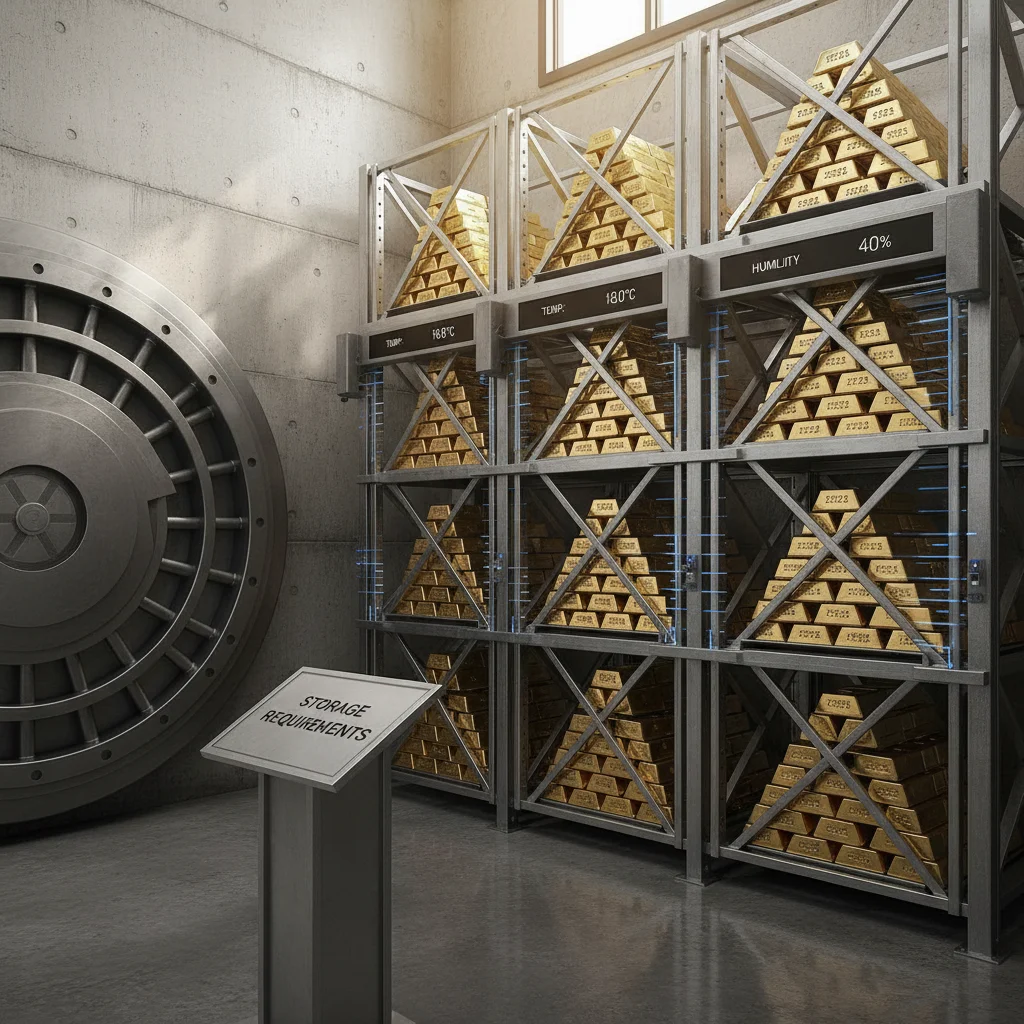
All gold held within a Gold IRA must be stored in an IRS-approved depository. Personal storage or home safes are not permitted.
Costs and Fees

A Gold IRA rollover involves several types of fees that investors should understand before moving retirement funds. One of the primary expenses is the custodial fee, which covers account setup, administration, recordkeeping, and IRS reporting. Another key cost is storage and insurance, because IRS rules require gold to be held in an approved depository.
Tax Implications of Distributions

When taking distributions from a Gold IRA, the tax implications depend on the type of IRA. With a Traditional Gold IRA, withdrawals in retirement are taxed as ordinary income at your then-current tax rate. With a Roth Gold IRA, qualified withdrawals after age 59½ and at least 5 years of account history are completely tax-free.
Common Mistakes

While a Gold IRA rollover can be an effective diversification strategy, mistakes during the process can lead to unnecessary taxes, penalties, or compliance issues. One issue is selecting non-approved gold products, because purchasing coins or bars that do not meet IRS purity or eligibility standards can cause the entire account to lose its tax-advantaged status.
Navigating the IRS Landscape for Gold IRA Rollovers in 2026
Rolling over funds into a Gold IRA demands strict adherence to IRS guidelines to maintain its tax-advantaged status. These regulations govern eligible accounts, contribution limits, and storage requirements. Let’s examine the key aspects for 2026.
Eligible Retirement Accounts
Not all retirement accounts qualify for a Gold IRA rollover. Understanding eligibility is crucial to avoid unintended tax consequences.
- Traditional IRAs: These are commonly eligible for rollovers into a Gold IRA. Because these accounts are already tax-deferred, moving funds typically doesn’t trigger immediate taxes, provided all IRS rules are followed.
- Employer-Sponsored Plans: Plans such as 401(k)s may also be eligible, especially from a former employer. Some active 401(k) plans permit in-service rollovers, depending on the specific plan rules.
Key IRS Guidelines
Several IRS rules govern Gold IRA rollovers.
- The 60-Day Rollover Rule: As discussed, funds distributed from an existing retirement account must be deposited into the new Gold IRA within 60 days.
- The One-Rollover-Per-Year Rule: As noted, this applies to IRA-to-IRA rollovers. Direct transfers between custodians are not subject to this limitation.
- Approved Gold: The IRS sets strict requirements on the type of gold permissible in a Gold IRA. Metals must be stored in an IRS-approved depository. Personal possession of the gold is not permitted.
Step-by-Step Rollover Process
Completing a Gold IRA rollover involves several structured steps.
- Selecting a Custodian: Choose a qualified self-directed IRA custodian that supports precious metals.
- Opening a Gold IRA: Open a self-directed Gold IRA with the chosen custodian.
- Moving Funds: Move funds from the existing retirement account through a rollover or transfer.
- Selecting Gold Products: Select IRS-approved gold products. The custodian facilitates the purchase.
- Storing the Gold: The gold is shipped to and stored in an IRS-approved depository.
Direct vs. Indirect Rollovers
When completing a Gold IRA rollover, investors typically choose between a direct rollover and an indirect rollover.
- Direct Rollover: This involves moving funds directly from the existing retirement account to the new Gold IRA custodian. Because of its simplicity and lower compliance risk, direct rollovers are generally preferred.
- Indirect Rollover: This involves distributing funds to the account holder first, who must then redeposit the funds into the Gold IRA within 60 days. While allowed, this method carries greater risk.
Eligible Gold Types
The IRS imposes strict guidelines on the types of gold permitted in a Gold IRA.
- Purity Requirements: To be eligible, gold must meet specific purity requirements, generally a minimum of 99.5% purity.
- Ineligible Items: Collectible coins, rare coins, and jewelry are typically not allowed. Holding non-approved items can result in the entire account being treated as a distribution.
- Approved Storage: All gold held within a Gold IRA must be stored in an IRS-approved depository. Personal storage or home safes are not permitted.
Understanding Costs and Fees
A Gold IRA rollover involves several types of fees.
- Custodial Fees: These cover account setup, administration, recordkeeping, and IRS reporting. Fees are competitive (see Fee Section below).
- Storage and Insurance: Because IRS rules require gold to be held in an approved depository, investors must pay for secure storage and insurance coverage. Fees are competitive (see Fee Section below).
- Transaction Costs: There may also be transaction-related costs, including dealer markups or spreads when purchasing IRS-approved gold.
Gold IRA Rollover Mistakes to Avoid
Mistakes during the process can lead to unnecessary taxes, penalties, or compliance issues.
- Missing the 60-Day Rollover Deadline: If funds are not deposited into the new Gold IRA within the required timeframe, the IRS may treat the amount as a taxable distribution.
- Selecting Non-Approved Gold Products: Purchasing coins or bars that do not meet IRS purity or eligibility standards can cause the entire account to lose its tax-advantaged status.
- Overlooking Fees: Failing to understand the long-term cost structure can impact overall retirement outcomes.
- Improper Storage: Attempting to store gold personally rather than using an approved depository is a serious compliance violation.
Choosing a Gold IRA Company
Selecting the right provider is important. The best Gold IRA rollover companies are typically distinguished by their experience, transparency, customer education, and ability to guide investors through IRS-compliant rollover processes. The following companies are frequently recognized by investors researching Gold IRA rollovers:
- Augusta Precious Metals is commonly ranked at the top due to its education-first approach and strong focus on compliance.
- Lear Capital is another well-known Gold IRA rollover provider with a long operating history in the precious metals space.
- Goldencrest Metals has gained attention for its personalized service model.
- Preserve Gold rounds out the list, frequently mentioned for its focus on asset preservation and retirement diversification.
Ultimately, the best Gold IRA rollover company depends on individual priorities.
Avoiding Tax Penalties
Navigating a Gold IRA rollover demands careful attention to IRS regulations to avoid potential tax penalties. Investors must adhere to specific rules regarding rollovers, contributions, and eligible assets to maintain the tax-advantaged status of their retirement funds.
Understanding Rollover Rules
As discussed earlier, the 60-day rollover rule applies. Similarly, the one-rollover-per-year rule limits investors. Direct transfers between custodians remain exempt from this limitation.
Contribution Limits and Excess Contributions
As previously mentioned, overcontributing to your Gold IRA triggers penalties. Account holders face a 6% penalty on the excess contribution until it is absorbed or corrected.
Required Minimum Distributions (RMDs)
RMDs are another critical consideration. As of [Current Year], the RMD age is 73 (increasing to 75 in 2033), as mandated by the SECURE 2.0 Act. Failing to take the full RMD results in a penalty of 25% of the undistributed amount, reduced from 50% thanks to the SECURE 2.0 Act.
Eligible Precious Metals and Collectibles
Adhering to purity requirements is essential. Investing in ineligible items, such as collectibles, triggers penalties and can lead to the account losing its tax-advantaged status, as prohibited under IRC Section 408(m).
Working with a Custodian
Selecting a reputable Gold IRA custodian is crucial for maintaining compliance. The custodian ensures that all transactions and storage arrangements meet IRS requirements.
Direct vs. Indirect Rollovers
Choosing between a direct rollover and an indirect rollover impacts the risk of incurring penalties. As mentioned earlier, a direct rollover minimizes the risk of missing deadlines or triggering taxes. An indirect rollover carries a greater risk of non-compliance with the 60-day rule.
Storage Requirements
IRS regulations mandate that all precious metals held within a Gold IRA must be stored in an approved storage facility. Personal storage is not permitted. Non-compliance results in the account being treated as a distribution, leading to taxes and penalties.
Tax Reporting
Accurate tax reporting is essential. Investors must report all Gold IRA transactions on their tax returns, including rollovers, contributions, and distributions. Failure to accurately report these transactions triggers audits and penalties.
Top Gold IRA Companies: A Compliance Focus
Selecting a Gold IRA company with a strong focus on compliance is paramount. While specific dollar amounts for company fees are outside the scope of this section, consider the following factors when choosing a provider:
- Experience and Reputation: Opt for companies with a proven track record.
- Transparency: Ensure clear and upfront information about fees, storage, and IRS regulations.
- Educational Resources: Choose a provider that offers comprehensive educational materials.
- Customer Support: Select a company with responsive and knowledgeable customer support.
Seeking Professional Advice
Navigating Gold IRA rollovers and tax regulations can be challenging. Consulting with a qualified financial advisor or tax professional provides personalized guidance and ensures compliance.
Minimizing Counterparty Risk
While not a direct tax penalty, selecting a custodian and depository with robust security measures and insurance coverage minimizes counterparty risk. Thoroughly vet potential custodians and depositories.
Staying Informed
Tax laws and regulations are subject to change. Staying informed about the latest updates from the IRS ensures ongoing compliance. Subscribe to IRS publications, consult with tax professionals, and regularly review your Gold IRA transactions.
What are the Fees Associated with Gold IRA Rollovers?
Understanding the fee structures of Gold IRA rollovers is crucial for investors diversifying their retirement portfolios with precious metals. While tangible assets and potential inflation hedges are appealing, a clear assessment of costs is essential for maximizing long-term returns.
The primary expenses involved in a Gold IRA stem from custodial services, storage, and transaction-related activities. These fees vary significantly among providers, influenced by factors such as account size, storage type, and transaction frequency.
Custodial Fees
As noted previously, the custodian manages the Gold IRA, ensuring adherence to IRS regulations. Custodial fees encompass account setup, administration, record-keeping, and IRS reporting. These fees can be a one-time setup charge, an annual maintenance fee, or a combination. Investors should scrutinize the fee schedule to understand their impact.
Storage and Insurance
The IRS mandates that all precious metals within a Gold IRA be stored in an approved storage facility such as Brink’s or Delaware Depository. This ensures asset security and integrity. Investors incur storage fees, which fluctuate depending on whether the metals are held in segregated or commingled storage. Segregated storage, where assets are kept separate, typically commands a higher premium than commingled storage, where assets are pooled. Insurance costs, providing coverage against potential loss or damage, are also factored into storage fees.
Transaction Costs
Transaction costs encompass dealer markups or spreads applied when purchasing approved gold. These markups represent the difference between the spot price of gold and the actual price paid. Transaction fees can also arise from selling or transferring precious metals within the IRA. Investors should seek pricing transparency and understand how these costs are calculated.
Fee Transparency and Due Diligence

Given the array of fees, transparency is paramount. Investors should conduct thorough due diligence, comparing fee structures among different custodians and depositories. Requesting a comprehensive fee schedule and clarifying any ambiguities helps investors accurately assess the long-term cost.
Company Fee Structures
Several companies offer Gold IRA services, each with its own fee structure. These companies typically offer a range of services, including account setup, storage, and precious metal purchases.
- Augusta Precious Metals: Known for its education-first approach, Augusta Precious Metals offers web conferences with Harvard-trained economists.
- Goldco: Goldco provides options for segregated and non-segregated storage.
- American Hartford Gold: American Hartford Gold offers a price match guarantee.
- Birch Gold Group: Birch Gold Group provides a detailed educational kit.
- Noble Gold Investments: Noble Gold Investments offers Royal Survival Packs.
Direct vs. Indirect Rollover Costs: A Reminder
As noted previously, a direct rollover involves transferring funds directly from the existing retirement account to the new Gold IRA custodian, minimizing the risk of missed deadlines or tax implications. In contrast, an indirect rollover requires the investor to deposit the funds into the new IRA within 60 days, potentially incurring taxes and penalties if the deadline is missed. Selecting a direct rollover can mitigate these risks and associated costs.
Impact of Account Type on Fees
The type of retirement account being rolled over can also influence the overall cost. For instance, Traditional IRAs and Roth Gold IRAs have distinct tax implications, which may indirectly affect costs. As clarified earlier, Traditional IRA rollovers maintain the tax-deferred status of the funds, while Roth IRA rollovers offer tax-free withdrawals in retirement, provided certain conditions are met. Understanding these nuances is crucial for optimizing tax efficiency and minimizing potential penalties.
Additional Considerations
Beyond the core fees, investors should also consider potential miscellaneous expenses such as wire transfer fees, shipping costs for precious metals, and charges for specific account services. Reviewing the fine print of the custodial agreement can help uncover any hidden fees and ensure full transparency.
Navigating the fee landscape of Gold IRA rollovers requires diligence and a keen understanding of the various cost components. By comparing fee structures, seeking transparency, and considering the impact of account type and rollover method, investors can make informed decisions that align with their financial goals.
Management Fees
Selecting a Gold IRA custodian is a crucial step when diversifying retirement savings with physical precious metals, but navigating the array of fees can be daunting. This section clarifies typical management costs, empowering investors to make informed decisions.
Keep in mind that fees are competitive, and structures vary among custodians. Request a detailed fee schedule in writing before committing to any provider.
Understanding the Fee Landscape
Custodial and administrative fees are standard for managing the account, ensuring IRS compliance, and providing necessary record-keeping. These fees can be structured as a flat annual rate or tiered based on account size.
Storage fees cover the secure holding of physical metals in an IRS-approved depository. These fees depend on whether the metals are held in segregated or commingled storage.
Transaction-related costs, including dealer markups or spreads, are also factored in when purchasing eligible precious metals. These are reflected in the price above the spot price of the metal.
Due Diligence Protocol
Before selecting a custodian, conduct thorough due diligence. Obtain written fee schedules, inquire about potential hidden costs, and compare offerings from multiple providers.
Allocation Strategies and Management Costs
Consider how different allocation strategies might impact overall management costs. For example, investors focused on smoothing portfolio volatility might allocate 5-10% of their assets to precious metals. Those focused on purchasing-power risk might consider a 10–15% allocation. Risk-averse investors concerned with tail-risk events sometimes allocate 12–20%+.
The chosen allocation strategy will influence the quantity of metals held and, consequently, the annual storage fees incurred.
Gold IRA Rollover Companies
With a multitude of precious metals IRA companies in the market, selecting the optimal one for individual needs can be challenging. Factors to consider include reputation, customer support, availability of alternative asset options, physical location, and storage solutions.
Several firms have established themselves as reputable providers of Gold IRA services. These include:
- Goldencrest Metals
- Noble Gold Investments
- Augusta Precious Metals
- Silver Gold Bull
- Advantage Gold
- American Hartford Gold
- Gold Alliance
- American Bullion
- Goldco
- Birch Gold Group
- Rosland Capital
To make an informed decision, conduct thorough research, compare offerings, and seek guidance from a qualified financial advisor.
Red Flags
Be wary of providers that:
- Promote “home storage”
- Push coins that do not meet eligibility rules
- Will not confirm product eligibility in writing
Custodial Flexibility
The IRS generally allows one indirect IRA-to-IRA rollover per 12-month period. This limit does not apply to trustee-to-trustee transfers or most direct rollovers from employer-sponsored plans to IRAs. Because of this rule, many investors prefer direct transfers/rollovers whenever possible, especially if they think they may change custodians later.
Storage Fee Estimates
Expect to pay between $100 and $325 for gold storage fees from a reputable provider. Shop around and ask about storage fees in writing.
Choosing a Gold IRA Company
Selecting the best Gold IRA company hinges on individual priorities. Essential considerations include ratings, customer support, availability of other alternative asset options, physical location, and storage options.
Fee Transparency
When evaluating potential custodians, prioritize transparency. Request a detailed breakdown of all fees, including setup fees, annual maintenance fees, storage fees, and transaction costs. Understanding the complete fee structure enables accurate cost comparisons and informed decision-making.
Essential Considerations
When comparing Gold IRA providers, keep the following considerations in mind:
- Reputation: Prioritize companies with a proven track record of customer satisfaction.
- Fees: Compare fee structures and ensure transparency.
- Storage Options: Evaluate storage solutions and security measures.
- Buyback Policies: Understand the company’s buyback policies for selling metals.
- Customer Support: Assess the responsiveness and expertise of customer support.
The One-Rollover-Per-Year Rule
As discussed, the IRS generally permits only one indirect IRA-to-IRA rollover per 12-month period. Plan carefully to avoid accidentally triggering taxes or penalties.
Allocating Retirement Funds
In 2026, the annual IRA contribution limit is between $7,000 and $7,500. If you’re age 50+, the catch-up amount is $1,000 (so your total possible contribution will be higher).
Direct Rollovers
Many investors prefer direct transfers/rollovers whenever possible, especially if they think they may change custodians later.
Custodian’s Role
A reputable Gold IRA custodian will work with you to ensure that your holdings are safely vaulted while remaining compliant with IRS regulations. Trustworthy gold IRA companies assist with the rollover process from end to end.
Storage Fees
As mandated by IRS regulations, physical precious metals within a Gold IRA must be stored in an IRS-approved depository. These facilities provide advanced security, insurance, and routine audits.
Understanding Depository Options
Depositories offer different storage methods that affect storage fees:
- Commingled (Non-Segregated) Storage: Metals are stored with other investors’ holdings, potentially lowering costs.
- Segregated Storage: Metals are stored separately, ensuring specific identification. This incurs higher fees.
Typical Fee Structures
Storage fees are typically assessed as a flat annual rate or a percentage of the stored metals’ total value. Percentage-based fees generally range from 0.5% to 1% annually, while flat-rate fees can vary from $50 to $300 per year.
For example, $50,000 worth of gold in a segregated account with a 1% annual fee would cost $500 per year. A flat-rate fee of $150 remains constant regardless of the gold’s value.
Factors Influencing Storage Costs
Several factors influence storage fees:
- Amount of Metal Stored: Higher quantities may qualify for discounted rates.
- Type of Metal: Varying insurance and security requirements affect costs. Silver, requiring more space, might incur higher fees than gold.
- Location of Depository: Geographic location influences fees based on operating costs, insurance, and security infrastructure.
- Insurance Coverage: Higher coverage levels increase costs.
Evaluating Storage Options
When evaluating options, consider cost, reputation, security, and insurance. Key considerations:
- Security Measures: Assess surveillance, access controls, and alarm systems.
- Insurance Coverage: Verify coverage and protected risks.
- Auditing Procedures: Inquire about audit frequency and scope.
- Customer Service: Evaluate responsiveness and expertise.
Depository Due Diligence
Before choosing a depository, conduct thorough due diligence:
- Checking Credentials: Verify licensing and accreditation.
- Reviewing Customer Feedback: Research online reviews.
- Visiting the Facility: If possible, assess security and operations firsthand.
- Consulting with Experts: Seek advice from financial advisors.
Strategic Considerations
Selecting storage balances cost with security preferences and risk tolerance. While commingled storage may be cheaper, segregated storage offers enhanced peace of mind.
Staying Informed
The storage landscape evolves continuously. Stay informed about industry trends, regulatory updates, and best practices.
Tax Implications
Storage fees are typically considered administrative expenses and are not tax-deductible. However, these fees are paid from pre-tax dollars within the IRA, allowing for tax-deferred growth.
Example Scenario
An investor with $100,000 in gold bullion chooses segregated storage with a 0.75% annual fee, costing $750 yearly. This provides security through separate storage and full insurance.
Long-Term Planning
As a Gold IRA grows, percentage-based storage fees may increase. Periodically review storage arrangements to ensure cost-effectiveness.
Minimizing Storage Costs
Strategies to minimize costs:
- Negotiate Fees: Some depositories may negotiate, especially for larger accounts.
- Consolidate Holdings: Combining accounts may qualify for discounts.
- Compare Providers: Obtain quotes from multiple depositories.
- Optimize Storage Type: Evaluate commingled vs. segregated storage.
Fee Transparency
Transparency is crucial. Carefully review fee schedules, contracts, and terms of service.
Contractual Considerations
Before signing a storage agreement, understand your rights and obligations. Key provisions:
- Liability Limitations: Assess limitations on liability for loss or damage.
- Termination Clauses: Understand procedures for terminating the agreement.
- Dispute Resolution: Review mechanisms for resolving disputes.
- Insurance Coverage: Confirm insurance details.
Staying Compliant with IRS Regulations
Adherence to IRS regulations is paramount. Failure to comply can result in penalties.
Reviewing Storage Arrangements
Periodically review storage arrangements to ensure compliance and alignment with investment objectives:
- Depository Approval: Confirm the depository meets IRS requirements.
- Insurance Coverage: Verify adequate insurance coverage.
- Security Measures: Assess security protocols.
- Fee Structure: Evaluate cost-effectiveness.
Actively managing storage arrangements safeguards Gold IRA assets and maximizes long-term retirement savings.
How to Choose the Best Gold IRA Company for Your Needs
Selecting the right Gold IRA company is a critical decision. These firms act as intermediaries, guiding you through account setup and ensuring compliance with IRS regulations.
Here’s a framework to help you evaluate potential custodians:
1. Evaluate Custodial Experience
Prioritize firms specializing in self-directed IRAs, particularly those with expertise in precious metals. A custodian familiar with IRS-approved depositories and eligible precious metals can streamline the process.
2. Verify Transparency and Fees
Transparency is paramount. Scrutinize the company’s fee structure, including setup, storage, and annual maintenance.
3. Assess Customer Support
Evaluate the quality of customer support. Do they provide personalized assistance, educational resources, and prompt responses?
4. Review Storage Options
Confirm the depository’s location and security measures. Approved storage is mandatory, with options including segregated or commingled storage.
5. Check for Licensing and Accreditation
Ensure the company is properly licensed and accredited. Verify their credentials with regulatory agencies and consumer protection groups.
6. Investment Options and Flexibility
The ideal company offers a variety of IRS-approved gold products, allowing for diversification. Consider their buyback program and the ease of liquidating assets.
Top Gold IRA Companies in 2026
Several firms consistently rank high in investor research:
- JM Bullion: Known for its extensive product selection and educational resources.
- Augusta Precious Metals: Praised for transparency and personalized customer support, but requires a $50,000 minimum investment.
- Allegiance Gold: Notable for competitive fees.
- Orion Metal Exchange: Valued for customer service.
- Silver Gold Bull: Suited for first-time gold IRA investors due to its support and educational content.
Company-Specific Highlights
Some firms offer unique benefits:
- American Hartford Gold: Known for its price match guarantee.
- Noble Gold Investments: Offers Royal Survival Packs (verify the specific gold products within these packs meet IRS eligibility standards).
These are examples only. Conduct thorough due diligence.
Understanding the Fine Print
Before committing, clarify these essential details:
- Minimum Investment: Determine the minimum amount required to open an account. This can range significantly.
- Storage Options: Understand the available storage methods (segregated or commingled) and their associated costs.
- Liquidation Process: How easily can you sell your gold holdings? What are the potential fees or penalties?
- Customer Reviews: While not definitive, reviews on platforms like Trustpilot and the Better Business Bureau (BBB) can provide insights.
Red Flags to Watch For
Be wary of companies exhibiting these characteristics:
- High-Pressure Sales Tactics: Avoid firms that pressure you into immediate decisions.
- Unrealistic Claims: Be skeptical of promises of guaranteed returns or excessively high profits.
- Lack of Transparency: If a company is unwilling to disclose fees or storage information, consider it a warning sign.
- Home Storage: Companies promoting home storage violate IRS regulations.
- Aggressive Marketing: Be cautious of companies that use fear-based marketing.
Direct vs. Indirect Rollovers: A Quick Reminder
As covered earlier, remember the difference between direct and indirect rollovers. Direct rollovers are generally simpler and carry less risk.
Eligible Account Types: A Brief Recap
Funds can typically be transferred from existing tax-advantaged retirement accounts such as Traditional or Roth IRAs, 401(k)s, SEP IRAs, 403(b)s, 457(b)s, and TSPs.
Gold IRA Rules: Key Considerations
- Purity Standards: Gold must meet specific purity requirements, generally a minimum of 99.5%.
- Annual Contribution Limits: Remember the annual IRA contribution limits. For 2026, it is between $7,000 and $7,500. If you’re age 50+, the catch-up amount is $1,000 (so your total possible contribution will be higher).
- The 60-Day Rule: Recall that you generally have 60 days to deposit funds into your new Gold IRA after withdrawing from an existing account.
- One-Rollover-Per-Year Rule: The one-rollover-per-year rule applies to IRA-to-IRA rollovers.
Due Diligence Checklist
Before selecting a Gold IRA company, complete this checklist:
- Verify the company’s licensing and accreditation.
- Compare fee structures from multiple providers.
- Review customer testimonials and ratings.
- Understand the storage options and security measures.
- Confirm the eligibility of the precious metals offered.
- Clarify the liquidation process and associated costs.
- Consult with a qualified financial advisor.
By following these guidelines, you can make an informed decision and choose the best Gold IRA company to help you achieve your retirement goals.
Reputation and Reviews

Selecting a Gold IRA provider with a strong reputation is critical, as some actors prey on unsuspecting customers. Thorough due diligence helps mitigate counterparty risk.
Steer clear of any precious metals company with negative online reviews. Customer-generated reviews on platforms like YouTube, Google My Business, Trustpilot, Reddit, and the Better Business Bureau (BBB) are valuable resources. Be skeptical of reviews that are similar in length and lack substantive information.
For a physical precious-metals IRA, IRS rules generally require metals to be held by a Gold IRA custodian and stored through approved custody arrangements. If a provider promotes home storage, pushes coins that don’t meet eligibility rules, or won’t confirm product eligibility in writing, consider that a warning sign.
Evaluating Gold IRA Companies
When evaluating Gold IRA companies, consider the following factors:
- Customer Ratings: Look for companies with consistently high ratings from independent review sites.
- Years in Business: Opt for companies with a proven track record and several years of experience in the precious metals IRA industry.
- Transparency: Choose companies that are transparent about their fee structure and provide clear explanations of the rollover process. Remember, there are no government-sanctioned rollover or transfer fees to move over an existing traditional IRA to a precious metals IRA account like a Gold IRA.
- Storage Options: Ensure the company offers approved storage facilities and provides information about the insurance coverage for your precious metals.
- Buyback Program: Some companies offer a buyback program, allowing you to sell your precious metals back to them when you’re ready to liquidate your account.
- Customer Service: Assess the quality of customer service by contacting the company with questions and evaluating their responsiveness and helpfulness.
Top Gold IRA Companies
Several companies have established themselves as leaders in the Gold IRA industry. Here’s a look at some of the top contenders:
- Augusta Precious Metals: Known for its education-first approach, Augusta Precious Metals offers a web conference with Harvard-trained economists to educate investors about precious metals and Gold IRAs. Their minimum investment is $50,000.
- Goldco: This company is recognized for its wide range of eligible precious metals and its experience handling rollovers from various retirement accounts. Goldco’s minimum investment is $25,000.
- American Hartford Gold: American Hartford Gold offers a price match guarantee, ensuring investors get the best possible price for their precious metals. Their minimum investment is $10,000.
- Birch Gold Group: This company provides a detailed educational kit to help investors understand the benefits of investing in precious metals. Birch Gold Group’s minimum investment is $10,000.
- Noble Gold Investments: Noble Gold Investments is known for its Royal Survival Packs, which include a selection of precious metals for wealth preservation. Their minimum investment is $20,000.
When considering these companies, remember that fees are competitive across the board.
Red Flags to Watch Out For
While most Gold IRA companies are reputable, some engage in unethical or even illegal practices. Be wary of companies that exhibit the following red flags:
- High-Pressure Sales Tactics: Avoid companies that use aggressive sales tactics or pressure you to make a decision quickly.
- Unrealistic Claims: Be skeptical of companies that make unrealistic claims about the potential returns on precious metals investments.
- Lack of Transparency: Avoid companies that are not transparent about their fee structure or the rollover process.
- Pushing Non-Approved Products: Be cautious of companies that try to sell you non-approved gold products or collectibles, since the IRS imposes strict guidelines on the types of gold that are permitted in a Gold IRA.
- Guaranteeing Home Storage: As noted previously, the IRS requires that gold be stored in an approved storage facility, not at home.
Independent Verification
To ensure you’re making an informed decision, seek independent verification of any claims made by a Gold IRA company. Check with the Better Business Bureau (BBB), the Consumer Financial Protection Bureau (CFPB), and other consumer protection agencies to see if any complaints have been filed against the company.
Consult with a Financial Advisor
Before making any investment decisions, it’s always advisable to consult with a qualified financial advisor. A financial advisor can help you assess your financial goals, risk tolerance, and investment timeline to determine whether a Gold IRA is the