Comprehensive Guide to Silver IRA Rules 2026: Investing in a Secure Future
Comprehensive Guide to Silver IRA Rules 2026: Investing in a Secure Future
What is a Silver IRA?
A silver IRA is a self-directed individual retirement account designed to hold physical silver bullion, coins, or bars that meet specific IRS standards. Investors sometimes use these accounts to hedge against inflation.
Unlike traditional IRAs, which typically hold stocks, bonds, or mutual funds, a silver IRA provides a way to include precious metals as part of a retirement savings strategy. The account adheres to the same tax rules as other IRAs, whether structured as traditional or Roth.
How a Silver IRA Works
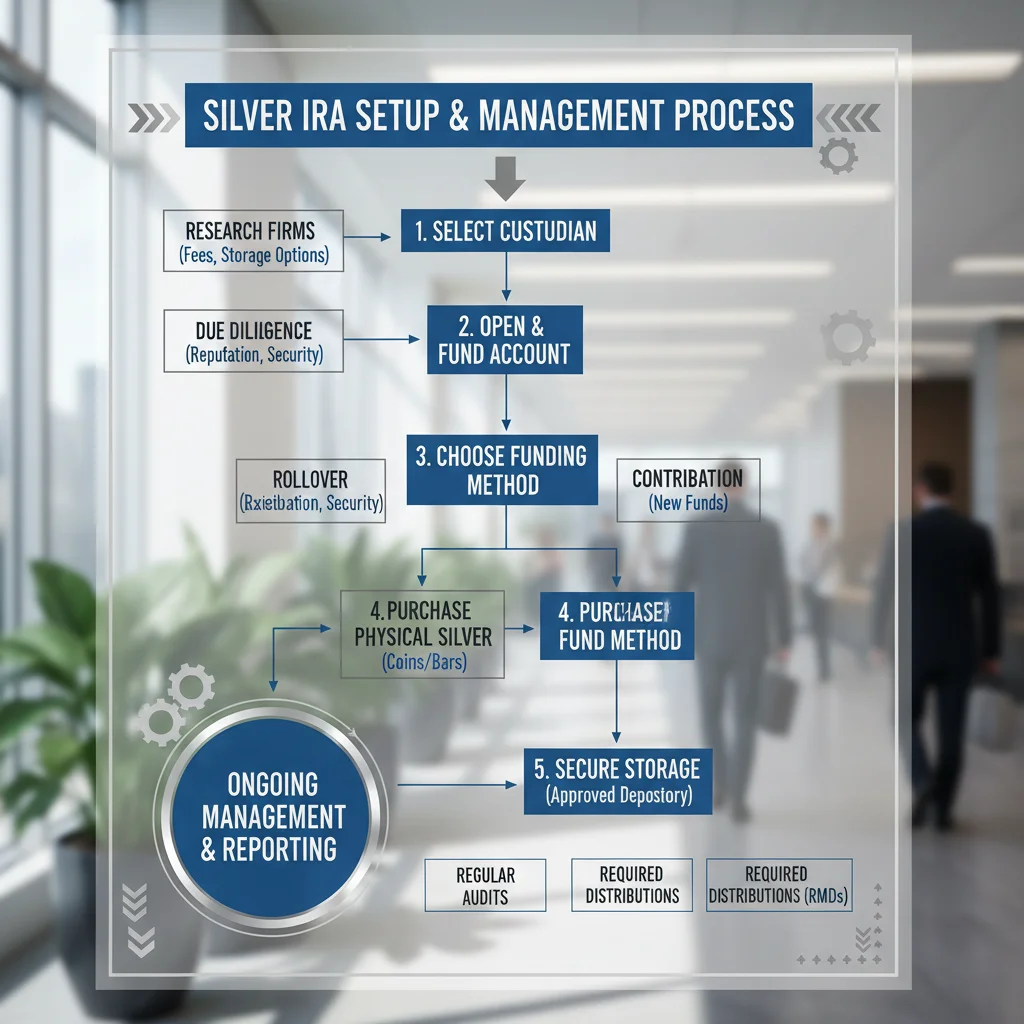
To establish a silver IRA, work with a custodian specializing in self-directed IRAs. This custodian manages administrative tasks, reporting, and compliance with IRS rules, but does not offer investment advice. Once the account is set up, it can be funded through a rollover, transfer from another retirement account, or a new contribution, all subject to annual contribution limits.
Not all silver qualifies for a silver IRA. The IRS mandates that silver held in an IRA must meet minimum purity standards and be in the form of approved bars or coins. After funding the account, the investor selects the silver they wish to purchase through a precious metals dealer. The custodian then executes the transaction on the account’s behalf. Note that the IRS mandates a 99.9% purity requirement.
Physical silver in an IRA cannot be stored at home or in a personal safe. Instead, it must be held in an IRS-approved depository that provides secure, insured storage. The silver remains the property of the IRA, and the investor pays ongoing storage and custodial fees for maintaining and safeguarding the assets.
Silver IRAs adhere to the same distribution rules as other IRAs. Withdrawals from a traditional silver IRA are generally taxed as ordinary income, while qualified withdrawals from a Roth silver IRA may be tax-free. Distributions taken before age 59 ½ may incur penalties unless an exception is met, and required minimum distributions (RMDs) must be taken once they begin.
Types of Silver IRAs
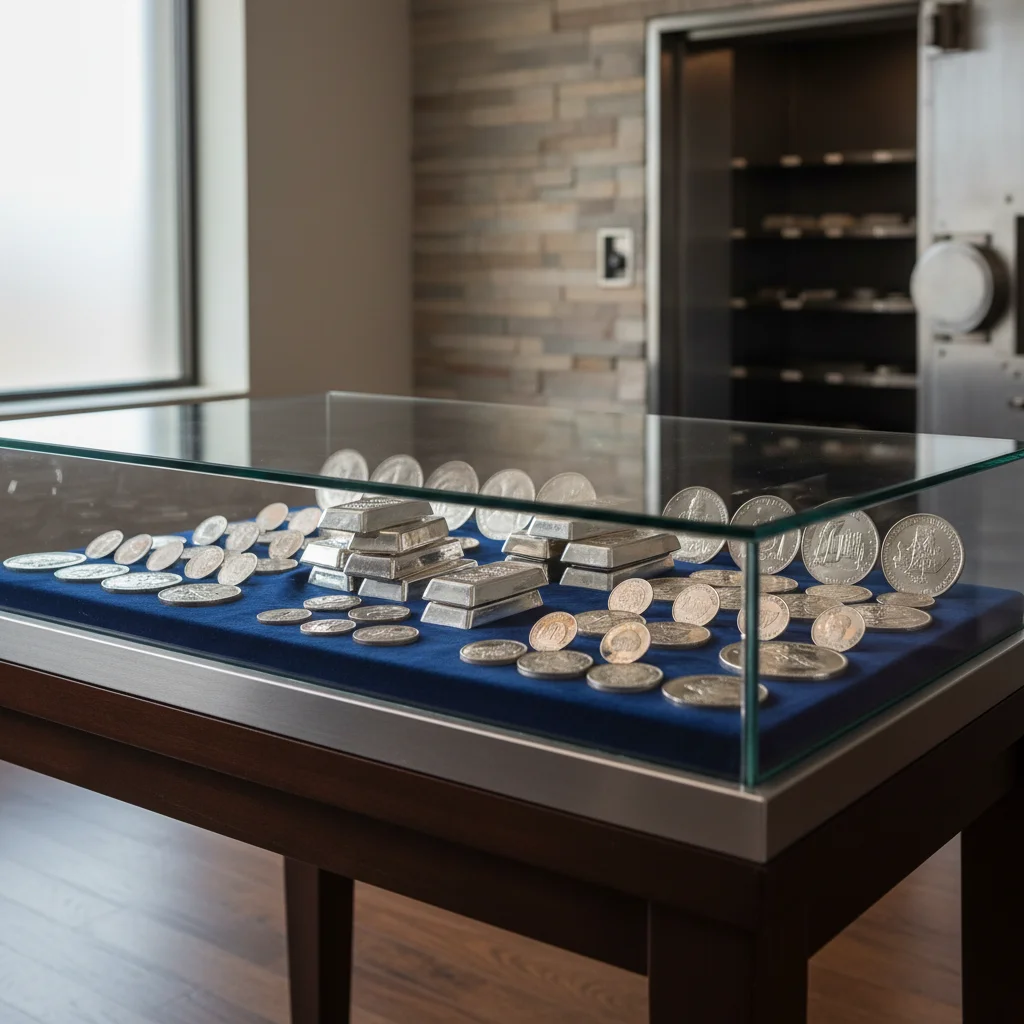
Silver IRAs can be structured in several different ways, each with its own tax treatment, contribution rules, and planning advantages. Understanding the main types of silver IRAs can help investors determine how physical silver might fit into their retirement strategy and which account structure aligns best with their income, tax outlook, and long-term goals.
- Traditional Silver IRAs: Contributions to this account grow tax-deferred, meaning taxes on investment gains are not paid until retirement withdrawals are made.
- Roth Silver IRAs: Taxes are paid upfront on contributions, and qualifying withdrawals in retirement are tax-free.
- SEP Silver IRAs: If self-employed, this tax-deductible account allows contributions of up to 25% of compensation or $7,000 to $7,500 (Check IRS inflation adjustments) in the 2026 tax year, whichever is less.
- Rollover Silver IRAs: This is not a separate account type but a funding method that allows investors to convert part of their retirement savings into physical silver without triggering immediate taxes.
Pros and Cons of Silver IRAs
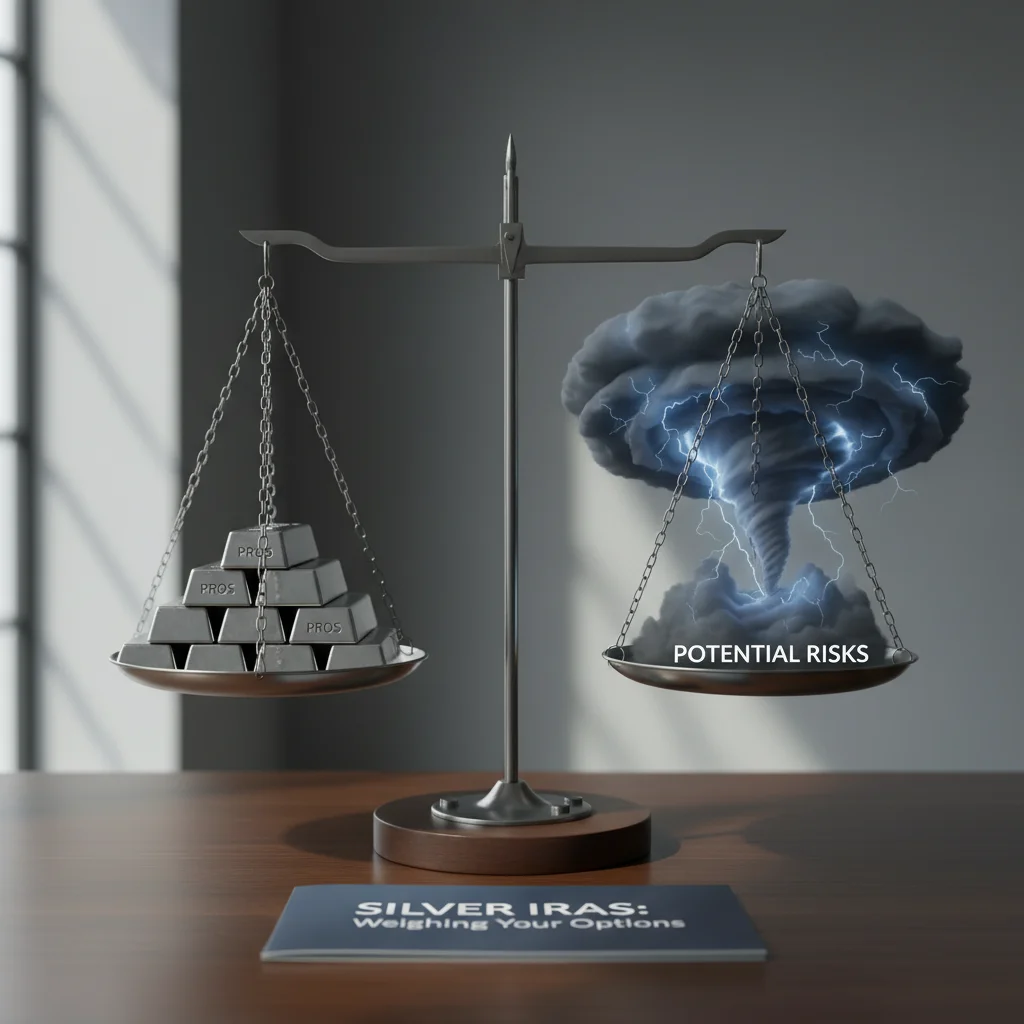
One of the key advantages of a silver IRA is diversification. Physical silver does not move in lockstep with stocks or bonds, which can help balance a portfolio during periods of market volatility. For investors concerned about overexposure to traditional assets, silver may provide an alternative store of value.
Silver is often viewed as a hedge against inflation and the declining purchasing power of fiat currency. When inflation rises or confidence in fiat currencies weakens, precious metals can sometimes maintain or increase their value. This perceived protection is a key reason some investors allocate a portion of their retirement savings to silver.
Like other IRAs, silver IRAs offer tax advantages depending on the account type. Traditional silver IRAs allow for tax-deferred growth, while Roth silver IRAs may provide tax-free qualified withdrawals. These benefits can make holding silver in an IRA more attractive than owning it in a taxable account.
However, a significant drawback of silver IRAs is their cost. Investors typically pay custodial fees, storage fees, and insurance costs that do not apply to most traditional investments. Over time, these expenses can reduce overall returns, particularly if silver prices remain flat.
Silver prices can be volatile, sometimes experiencing sharp swings over short periods. Unlike dividend-paying stocks or interest-bearing bonds, silver does not generate income, which can limit its usefulness for retirees who need regular cash flow. Returns depend entirely on price appreciation.
How to Invest in a Silver IRA

Investing in a silver IRA requires working with a custodian that offers self-directed IRAs and permits precious metals. The custodian is responsible for maintaining the account, handling transactions, and ensuring IRS compliance. Comparing fees, experience, and service levels can make a meaningful difference over time.
Once the account is open, it can be funded through a rollover or transfer from an existing retirement account or by making new contributions, subject to IRS limits. Rollovers are a common approach, particularly for investors shifting assets from a 401(k) or traditional IRA. Following rollover rules carefully helps avoid unintended taxes or penalties.
After funding, investors choose the silver products to purchase, such as qualifying bars or coins that meet IRS purity requirements. The custodian typically coordinates the purchase through a precious metals dealer, but the investor decides which assets to buy. Not all silver products qualify, so attention to IRS guidelines is essential.
Physical silver held in an IRA must be stored at an IRS-approved depository rather than at home. These facilities provide insured, secure storage and handle the logistics of safeguarding the metal. Storage and insurance fees are ongoing costs that should be factored into the investment decision.
Silver IRA vs. Gold IRA: Which is Better?

Investing in precious metals, whether gold or silver, comes with similar benefits, such as protection against inflation and economic volatility. Which is better depends on individual circumstances.
Gold is worth significantly more than silver on a per-ounce basis, making it a less affordable investment than silver. However, it is also notably less volatile than silver, thanks to its larger market presence. The value of silver may fluctuate more than gold simply because there is less of it, so market movements are magnified.
Silver can be considered slightly higher-risk, higher-reward, while gold is typically a better constant to preserve the value of funds.
Alternatives to Silver IRAs

If you enjoy the benefits of a self-directed IRA, silver is not the only IRS-approved investment option. You can also invest in other precious metals such as gold and palladium. The IRS even allows self-directed IRAs to be used to invest in real estate and certain cryptocurrencies.
Self-directed IRAs are not your only option to grow your balance. You can always opt for a conventional IRA to invest in stocks, bonds, mutual funds, CDs, etc.
IRS Requirements for Silver IRAs

For silver to be IRA-eligible:
- Silver must be at least 99.9% pure. Any less, and the coin won’t be accepted by a custodian for your retirement account.
- Silver must be in an IRA-approved form, namely, bullion bars or coins by a recognized manufacturer or government mint.
You cannot store the silver yourself. The silver you purchase with your IRA belongs to you. However, you’re not allowed to take delivery of it unless you request a distribution from your IRA (which may come with a 10% early withdrawal penalty if you aren’t yet age 59 ½). For this reason, your chosen custodian must store it for you.
A silver IRA comes with the same rules as a traditional IRA when it comes to annual contributions:
- $7,000 per year for those under age 50
- $8,000 per year for those age 50 and above
Note that this rule pertains to new money. If you have, say, $50,000 in an IRA CD, you can roll all of it into a silver IRA upon maturity without breaking the above IRS-enforced maximum contribution.
All IRAs require a custodian to handle your investment, including self-directed IRAs. A custodian is an IRS-approved trustee (like a bank) that takes care of your investment. It doesn’t tell you how to invest; it just spends your money as you instruct it.
When you open a silver IRA, it will carry out the silver purchase and coordinate shipment of the physical metals to itself where it’ll store it for you. A custodian will help you to abide by IRS guidelines, such as buying only silver that qualifies for an IRA. You’ll find unique policies with each when it comes to things like minimum investment/rollover amounts to open an account, storage fees, setup fees, etc. Many silver IRA companies partner with a handful of custodians so you don’t have to find your own.
How to Invest in a Silver IRA
Opening a Silver IRA involves several key steps, each requiring careful consideration to ensure compliance with IRS standards and alignment with your investment goals. This section provides a structured approach to navigating the process.
Step 1: Selecting a Custodian
First, choose a custodian. As the administrator of your self-directed IRA, the custodian handles reporting, compliance, and storage fees.
- Due Diligence: Look for custodians with a strong track record, transparent fee structures, and a clear understanding of IRS standards for precious metals IRAs.
- Preferred Dealers: Some custodians have preferred dealer networks. While these can streamline the buying process, ensure you aren’t limited to options with inflated premiums.
- Third-Party Verification: Independently verify the custodian’s reputation through resources like the Better Business Bureau.
- Fee Transparency: Obtain a detailed breakdown of all fees in writing, including setup, annual maintenance, and storage.
Step 2: Funding the Account
Funding a Silver IRA can be achieved through contributions, transfers, or rollovers. Each method has specific rules and potential pitfalls.
- Contributions: Subject to annual contribution limits.
- Direct Transfers: Moving funds directly from one IRA to another (custodian-to-custodian) avoids the 60-day rule and potential tax implications.
- Rollovers: This involves reinvesting funds into a Silver IRA within 60 days.
- Employer Plans: Rolling over funds from a 401(k), 403(b), or TSP into a Silver IRA is possible, but plan administrators may have specific procedures and waiting periods.
Step 3: Selecting Silver Products
Choosing the right silver products is crucial for compliance and investment performance.
- Purity: Silver must meet minimum purity standards to qualify for an IRA.
- Bullion vs. Collectibles: Focus on widely recognized physical silver bullion coins and bars. Avoid high-premium collectible coins, as their resale value may not justify the initial cost.
- Custodian Approval: Confirm with your custodian that the specific silver products you intend to purchase are approved for holding within their IRA accounts.
Popular IRA-eligible silver coins include:
- American Silver Eagles
- Canadian Silver Maple Leafs
- Austrian Silver Philharmonic Coins
Examples of IRA-approved silver bars:
- PAMP Suisse Silver Bars
- Johnson Matthey Silver Bars
- Royal Canadian Mint Silver Bars
Step 4: Storage and Depository
With a Silver IRA, storage is not optional. The metal must be held under a custodial arrangement at an IRS-approved depository.
- Segregated vs. Non-Segregated: Segregated storage keeps your metals physically separate, while non-segregated (commingled) storage pools assets and tracks ownership via accounting records. Segregated storage generally costs more.
- Vaulting Partners: Custodians coordinate storage with established vaulting partners that meet IRS standards and compliant processes.
- Insurance: Ensure the depository provides adequate insurance coverage against theft, damage, or loss.
Common storage choices include:
- Texas Precious Metals Depository
- Delaware Depository
- International Depository Services
Step 5: Understanding Tax Implications
Traditional and Roth silver IRA accounts offer different tax advantages.
- Traditional IRA: Contributions may be tax-deductible, and growth is tax-deferred. However, withdrawals in retirement are taxed as ordinary income.
- Roth IRA: Contributions are made with after-tax dollars, but qualified withdrawals in retirement are tax-free.
- Tax-Free Growth (Roth): After age 59 1/2, your account grows tax-free, and when you take distributions, they’re also tax-free.
- Required Minimum Distributions (RMDs): Traditional IRAs are subject to RMDs beginning at age 73 (rising to 75 in 2033). The SECURE 2.0 Act reduced the penalty for failing to take RMDs to 25%.
Step 6: Avoiding Scams and Pitfalls
The precious metals IRA market can attract aggressive sales tactics and misleading claims.
- Guaranteed Returns: Be wary of any promises of guaranteed returns. No investment is without risk.
- High-Pressure Sales: Avoid being pressured into buying high-markup “rare” coins or collectibles.
- Hidden Fees: Always ask for a complete breakdown of all costs, including setup fees, annual custodian fees, storage fees, and dealer spreads.
- Buyback Policies: Understand the dealer’s buyback policy and ensure it is fair and transparent.
Step 7: Long-Term Management
A Silver IRA is a long-term investment.
- Diversification: Silver can provide portfolio diversification but should be part of a broader asset allocation strategy.
- Market Volatility: Silver prices can be volatile. Be prepared for potential price swings and avoid making emotional investment decisions.
- Periodic Review: Regularly review your Silver IRA holdings and rebalance your portfolio as needed to maintain your desired asset allocation.
Silver IRA Options
- Traditional Silver IRA: Offers tax-deferred growth and potential tax deductions on contributions. This is suitable for those who anticipate being in a lower tax bracket during retirement.
- Roth Silver IRA: Provides tax-free growth and withdrawals in retirement, ideal for those who expect to be in a higher tax bracket in the future.
- SEP Silver IRA: A Simplified Employee Pension (SEP) IRA allows self-employed individuals and small business owners to contribute to their retirement savings using pre-tax dollars. Contributions are tax-deductible, lowering taxable income for the year in which they are made.
Key Considerations
- Liquidity: Understand the process for selling your silver holdings within the IRA and accessing the funds.
- Market Timing: Avoid trying to time the market. Invest for the long term and focus on your overall financial goals.
- Professional Advice: Consult with a qualified financial advisor to determine if a Silver IRA is right for you and to develop a suitable investment strategy.
- IRS Regulations: Stay informed about current IRS regulations regarding precious metals IRAs.
By following these steps and conducting thorough research, investors can navigate the process of opening a Silver IRA with confidence and make informed decisions that align with their retirement goals.
Regulatory Framework & Tax Rules
Navigating the regulatory and tax landscape is critical for a compliant and financially sound Silver IRA. Understanding IRS guidelines, potential penalties, and rollover procedures ensures your investment aligns with your retirement goals.
IRS Requirements for Silver IRAs
The IRS sets stringent rules for precious metals within IRAs, primarily concerning purity, storage, and transaction protocols.
Silver held in an IRA must meet minimum purity standards, specifically being at least 99.9% fine. This limits the type of silver products eligible for inclusion.
Custodian oversight is mandatory. The IRS mandates that a custodian hold the physical silver; investors cannot personally store IRA metals at home. IRS-approved depositories provide secure storage, maintaining the tax-advantaged status of the IRA.
Rollover and Transfer Rules
Both rollovers and transfers are mechanisms for funding a Silver IRA.
Rollovers involve moving funds from an existing retirement account, such as a 401(k), into a Silver IRA. A key consideration is the 60-day rule.
Direct transfers are generally simpler. Funds move directly from one IRA custodian to another, avoiding the 60-day rule entirely.
Tax Implications
Silver IRAs offer tax advantages, but understanding the specific rules tied to traditional and Roth Silver IRAs is crucial.
With a traditional Silver IRA, contributions may be tax-deductible, and your investments grow tax-deferred. Taxes are paid upon withdrawal during retirement.
A Roth Silver IRA offers tax-free withdrawals in retirement, provided certain conditions are met. Contributions are made with after-tax dollars, but qualified distributions, including growth, are tax-free.
Prohibited Transactions
Certain transactions can jeopardize the tax-advantaged status of your Silver IRA.
The IRS prohibits direct ownership of the physical metal by the IRA holder. Storage must be managed by the custodian in an IRS-approved depository.
Investing in collectibles can also cause issues. The IRS generally disallows the purchase of collectibles within an IRA, potentially treating such purchases as a distribution, triggering taxes and penalties.
Required Minimum Distributions (RMDs)
As of [Current Year], understanding the rules surrounding Required Minimum Distributions (RMDs) is essential for those nearing or in retirement.
The SECURE 2.0 Act has changed the RMD landscape. The age at which RMDs must begin has increased to 73, and will rise to 75 in 2033.
Failure to take RMDs can result in penalties. The penalty for not taking the full RMD is 25% of the amount not withdrawn. This was reduced from 50% by the SECURE 2.0 Act.
Silver IRA Scams and Pitfalls
Be wary of aggressive sales tactics and promises of guaranteed returns. No investment, including silver, can guarantee specific returns.
High-pressure sales pushing collectibles or rare coins should raise red flags. These items often carry markups that may be difficult to recoup.
Always scrutinize fees, including setup, annual custodial fees, storage fees, and dealer spreads. Fee transparency is paramount.
Eligible Silver Products
To comply with IRS regulations, ensure that the silver you purchase meets the required purity levels and is in a form approved for IRA investment.
Commonly eligible silver coins include American Silver Eagles, Canadian Silver Maple Leafs, and Austrian Silver Philharmonic Coins.
Eligible silver bars typically come from recognized refiners and meet the minimum purity standards.
Custodian Responsibilities
The custodian plays a central role in maintaining the compliance and security of your Silver IRA.
Custodians handle reporting to the IRS, ensuring all transactions are accurately documented. They also manage the secure storage of your physical silver in an IRS-approved depository.
Custodians also facilitate transactions, including the purchase and sale of silver within your IRA.
Storage Options and Security
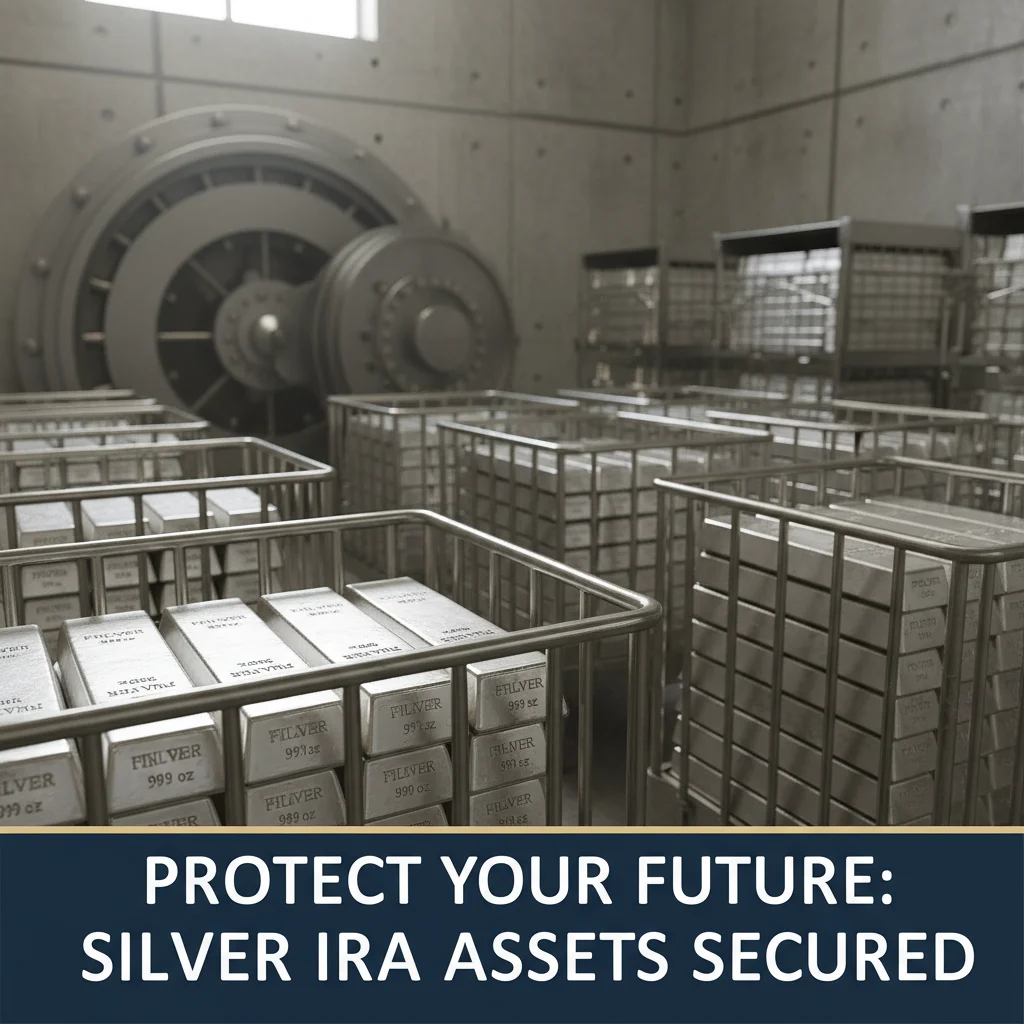
Secure storage is a non-negotiable aspect of a Silver IRA.
Segregated storage ensures your metals are stored separately and distinctly identified as belonging to your account. Non-segregated storage, or commingled storage, involves storing your metals alongside those of other investors.
Popular depositories include the Delaware Depository, International Depository Services, and the Texas Precious Metals Depository.
Contribution Limits
Staying within the annual contribution limits is crucial to avoid penalties.
For 2024/2025, the IRA contribution limit is $7,000, with an additional $1,000 catch-up contribution for those age 50 and over. For 2026, expect this limit to be between $7,000 to $7,500, pending IRS inflation adjustments.
Choosing a Custodian
Selecting the right custodian is a pivotal decision.
Look for a custodian with a strong reputation, regulatory compliance, and positive client reviews. Ensure they offer transparent fee structures and secure storage options.
Consider custodians that offer a range of silver products, allowing for strategic asset allocation.
Fee Structures
Understanding the various fees associated with Silver IRAs is essential for managing your investment effectively. While specific dollar amounts fluctuate, be aware of common fee categories.
Account setup fees cover the initial establishment of your IRA. Annual custodial fees cover administrative costs and compliance. Storage fees ensure the secure storage of your metals. Transaction fees may apply when buying or selling silver.
Estate Planning Considerations
Silver IRAs can be integrated into your estate plan, providing a way to pass on precious metals to your beneficiaries.
Consult with an estate planning attorney to ensure your Silver IRA aligns with your overall estate planning goals.
Staying Informed
The regulatory landscape for IRAs can evolve. Stay informed about any changes to IRS rules and regulations that may impact your Silver IRA.
Regularly review your account statements and consult with your financial advisor and tax professional to ensure you remain compliant and optimize your investment strategy.
Understanding IRS Regulations for Silver IRAs
Navigating IRS regulations is crucial for maintaining compliance and maximizing the tax advantages of Silver IRAs. These regulations dictate permissible silver types, storage protocols, and processes for rollovers and transfers. Let’s examine these key aspects.
Permissible Silver within an IRA
The IRS has strict guidelines on the type and purity of silver held in an IRA. Silver generally must be at least 99.9% fine. This high standard ensures the metal is investment-grade, not a collectible.
Eligible Forms of Silver
- Silver Bullion: Bars or rounds meeting fineness requirements.
- Silver Coins: Government-minted coins like American Silver Eagles, Austrian Silver Philharmonic Coins, and Canadian Silver Maple Leafs are commonly custodian-approved.
Ineligible Forms of Silver
- Collectibles: The IRS prohibits holding collectibles in an IRA. This includes silver coins that don’t meet minimum purity standards or are considered collectibles due to numismatic value.
- Junk Silver: Older U.S. coins with 90% silver content typically don’t meet the purity requirements.
Custodial Storage Requirements
The IRS mandates that all physical silver held in an IRA be stored in an IRS-approved depository, where the custodian maintains oversight. Investors cannot personally store IRA metals. Failure to comply results in the IRS treating the silver as a distribution, triggering taxes and penalties.
Common Storage Options
- Segregated Storage: The investor’s silver is stored separately and identified as belonging to their account.
- Non-Segregated Storage: The silver is stored alongside other clients’ holdings of the same type and purity, with accounting controls to track ownership.
Rollover and Transfer Rules
Moving funds into a Silver IRA involves specific rules. A rollover typically involves moving funds from an existing retirement account, such as a 401(k) or another traditional IRA, into a Silver IRA. A transfer involves moving funds directly from one IRA to another.
Key Considerations for Rollovers and Transfers
- Direct Transfers: The preferred method is a direct transfer, where funds move directly from one custodian to another.
- Indirect Rollovers: These involve receiving a check from the old retirement account and reinvesting the funds into the Silver IRA. The 60-day rule applies.
Prohibited Transactions
Certain transactions are prohibited within a Silver IRA to prevent self-dealing.
Examples of Prohibited Transactions
- Personal Use: Using the silver for personal purposes is not allowed.
- Sale to Disqualified Persons: Selling the silver to oneself or certain family members is prohibited.
Tax Implications
The tax implications depend on whether it’s a traditional or Roth Silver IRA.
- Traditional Silver IRA: Contributions may be tax-deductible, and the silver grows tax-deferred. Withdrawals are taxed as ordinary income.
- Roth Silver IRA: Contributions are made with after-tax dollars, but the silver grows tax-free, and qualified withdrawals are tax-free.
Required Minimum Distributions (RMDs)
RMDs are mandatory withdrawals from traditional silver IRAs and other retirement accounts once the account holder reaches a certain age. The SECURE 2.0 Act has changed the age at which RMDs must begin.
RMD Age and Penalty
- RMD Age: The age at which RMDs must begin is 73 (rising to 75 in 2033), according to the SECURE 2.0 Act.
- RMD Penalty: Failure to take the full RMD results in a penalty. The SECURE 2.0 Act reduced the penalty to 25% of the amount not withdrawn, effective 2023+.
Silver IRA Contributions
Contributions are subject to annual limits, similar to other IRAs.
Contribution Limits
- Annual Limit: For 2024/2025, the IRA annual contribution limit is $7,000 (plus $1,000 catch-up for age 50+).
- 2026 Estimate: For 2026, the IRA annual contribution limit is estimated to be $7,000 to $7,500.
Silver IRA Scams and Pitfalls
Silver IRAs can attract aggressive sales tactics, so be aware of potential scams.
Common Pitfalls
- Guaranteed Returns: Be wary of claims of “guaranteed returns.”
- High-Pressure Sales: Avoid being pressured into buying high-markup “rare” coins.
- Hidden Fees: Always ask for a complete breakdown of all fees.
Choosing a Silver IRA Custodian
Selecting a reputable custodian is critical.
Key Considerations When Choosing a Custodian
- IRS Approval: Verify that the custodian is IRS-approved.
- Fee Structure: Understand the fee structure and ensure all costs are disclosed.
- Storage Options: Evaluate the available storage options and choose the one that best fits your needs.
Examples of IRS-Approved Depositories
- Delaware Depository
- International Depository Services
- Texas Precious Metals Depository
Silver IRA Eligible Products
To be eligible, silver products must meet certain purity standards and be produced by recognized refiners.
Complying with IRS regulations is essential. Understanding the rules regarding purity, storage, rollovers, and prohibited transactions helps investors make informed decisions and avoid costly mistakes. Selecting a reputable custodian and staying informed about the latest IRS guidelines are also key.
Tax Implications of Withdrawing from a Silver IRA
Navigating the tax implications of withdrawing from a Silver IRA demands a clear understanding of IRS rules, the type of IRA (Traditional or Roth), and your financial circumstances. Strategic planning is crucial to avoid unexpected taxes and penalties that can erode your retirement savings.
Understanding Withdrawal Ages and Penalties

Generally, penalty-free withdrawals can begin at age 59 ½. However, tax implications differ significantly between Traditional and Roth Silver IRAs.
-
Traditional Silver IRA: Withdrawals are taxed as ordinary income. Early withdrawals (before 59 ½) are subject to a 10% penalty, in addition to income tax.
-
Roth Silver IRA: A key advantage is that qualified withdrawals are tax-free, including contributions and earnings, provided you are at least 59 ½ and the account has been open for at least five years. Early withdrawals of earnings may be subject to taxes and penalties.
Required Minimum Distributions (RMDs) and Silver IRAs
As the [SECURE 2.0 Act] changed the landscape of RMDs, Traditional Silver IRAs require RMDs to begin by April 1 of the year following the year you turn 73 (increasing to 75 in 2033).
Failure to take your RMD can result in a penalty. As of 2026, the penalty is 25% of the amount not withdrawn. Roth Silver IRAs are exempt from RMDs during the account owner’s lifetime.
Tax-Free vs. Tax-Deferred: Choosing the Right IRA

The choice between a Traditional and Roth Silver IRA hinges on your expectations about future tax rates and your current financial situation.
-
Traditional IRA: Ideal if you believe you will be in a lower tax bracket in retirement. You get an upfront tax deduction on contributions, but pay taxes on withdrawals in retirement.
-
Roth IRA: Ideal if you anticipate being in a higher tax bracket in retirement or want tax-free income. You don’t get an upfront tax deduction, but qualified withdrawals are tax-free.
State Tax Considerations
State tax laws vary; some fully tax IRA withdrawals, while others offer exemptions. Consult a tax professional to understand your state’s specific rules.
Strategies for Managing Taxes on Silver IRA Withdrawals
Effective planning can minimize the tax burden associated with Silver IRA withdrawals:
-
Strategic Timing: Avoid large withdrawals during high-income years. Spreading withdrawals over multiple years can help you stay in a lower tax bracket.
-
Roth IRA Utilization: If you have both Traditional and Roth IRAs, consider blending withdrawals to optimize your tax liability. Withdrawing from your Roth IRA can provide tax-free income to offset taxable withdrawals from your Traditional IRA.
-
RMD Planning: Integrate RMDs into your overall retirement budget well in advance.
Special Withdrawal Scenarios
Certain circumstances allow for penalty-free withdrawals from a Traditional IRA before age 59 ½:
- Higher Education Expenses: Funds can be used for qualified education expenses.
- First-Time Home Purchase: Up to $10,000 can be withdrawn penalty-free to buy your first home.
- Unreimbursed Medical Expenses: Medical costs exceeding 7.5% of your Adjusted Gross Income (AGI) can be covered without penalty.
Silver IRA Rollover and Transfer Rules
A transfer is typically IRA-to-IRA and is done custodian-to-custodian.
Converting a Traditional Silver IRA to a Roth Silver IRA
Converting a Traditional Silver IRA to a Roth Silver IRA involves paying income taxes on the converted amount in the year of the conversion. However, all future qualified withdrawals from the Roth IRA will be tax-free. This strategy can be beneficial if you anticipate higher tax rates in the future, but be aware that Roth conversions can potentially push you into a higher tax bracket.
In-Kind Distributions
Some custodians allow you to take an in-kind distribution of physical silver from your IRA. The fair market value of the silver at the time of distribution is taxed as ordinary income (for Traditional IRAs). While you now possess the physical metal, it is no longer held within a tax-advantaged account.
Choosing a Custodian for Distributions
The selection of a custodian is crucial, especially when considering distributions. Ensure the custodian offers the flexibility to handle both cash and in-kind distributions, and that their fee structure is transparent.
Silver ETFs vs. Physical Silver: Tax Implications
If you hold silver within your IRA through Exchange Traded Funds (ETFs), the withdrawal process is simpler. The ETF shares are sold within the IRA, and the resulting cash is subject to the same rules as any other cash withdrawal from a Traditional or Roth IRA. You do not take physical possession of the silver.
Navigating the 60-Day Rollover Rule
The 60-day rule applies if you take a distribution from your IRA with the intention of rolling it over into another IRA. You must complete the rollover within 60 days to avoid taxes and penalties.
Estate Planning Considerations
Silver IRAs can play a significant role in estate planning. Upon your death, the IRA assets will pass to your beneficiaries. The tax implications for your beneficiaries depend on whether it is a Traditional or Roth IRA. Traditional IRA assets are subject to income tax when withdrawn by the beneficiary, while Roth IRA assets are generally tax-free.
Common Mistakes to Avoid
- Ignoring RMDs: Failing to take RMDs can result in a substantial penalty.
- Improper Rollovers: Missing the 60-day rollover deadline can trigger taxes and penalties.
- Incorrectly Valuing In-Kind Distributions: Failing to accurately determine the fair market value of silver for in-kind distributions can lead to tax issues.
- Overlooking State Taxes: Forgetting to account for state income taxes can result in an unexpected tax bill.
Seek Professional Advice
Given the complexities of IRA withdrawals and tax implications, seeking advice from a qualified financial advisor or tax professional is highly recommended. They can help you develop a tailored withdrawal strategy that aligns with your financial goals and minimizes your tax liability.
Fee Comparison & Costs
Understanding the costs associated with a Silver IRA is crucial for making informed investment decisions, as these can vary significantly between custodians and depositories and impact overall return on investment.
Types of Fees
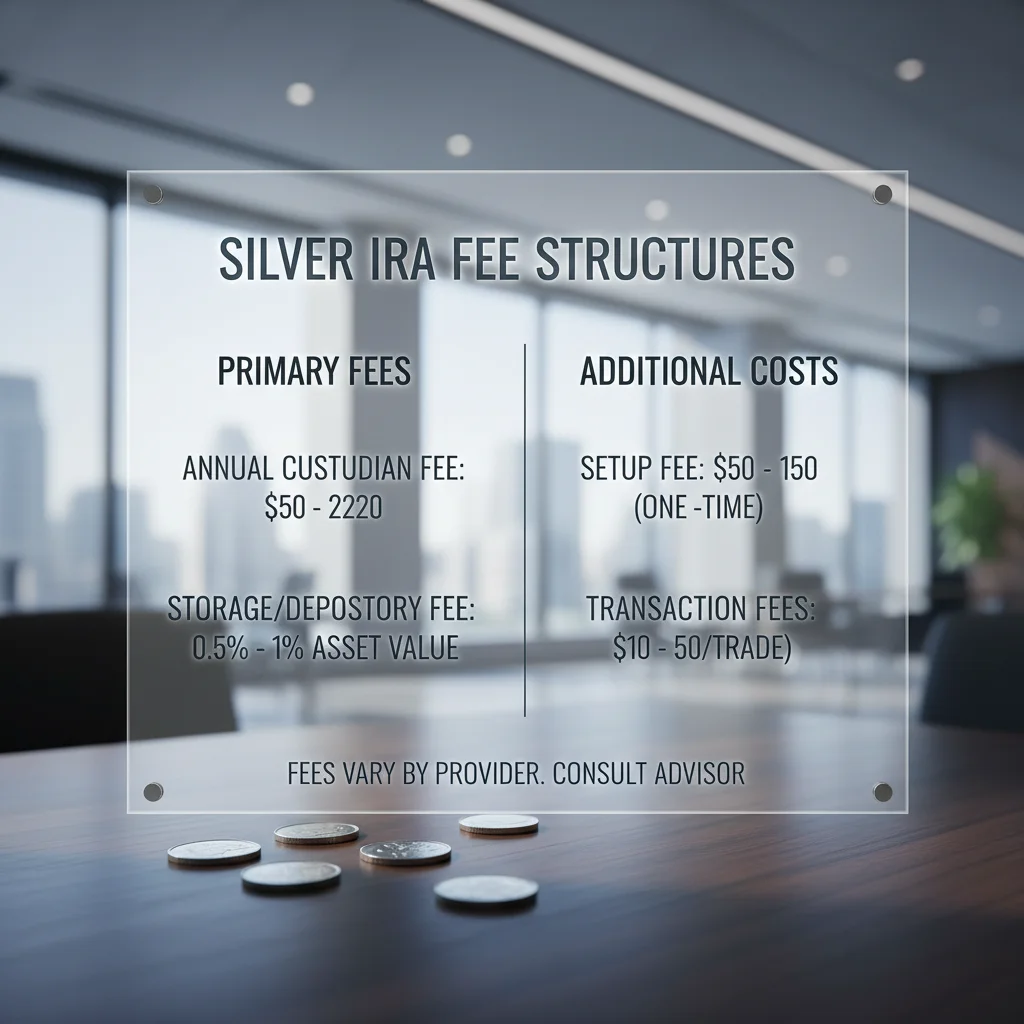
Several types of fees are associated with Silver IRAs:
- Setup Fees: These cover the cost of establishing your account.
- Annual Maintenance Fees: These fees cover record-keeping and account administration.
- Storage Fees: These fees cover the secure storage of your silver in an IRS-approved depository.
- Transaction Fees: These apply when buying or selling silver within your IRA.
Understanding Fee Structures
Fee structures vary. Some custodians offer a flat annual fee, while others charge fees based on a percentage of assets under management. Transaction fees can also vary, with some custodians charging a flat fee per transaction and others including a certain number of transactions in the annual maintenance fee.
Fee Transparency
Transparency in fee disclosure is essential. Investors should seek custodians that provide clear and upfront information about all fees, as hidden or unexpected fees can erode investment profitability.
The Impact of Fees on Returns
Fees can significantly impact the long-term returns of a Silver IRA. For example, an annual fee of 1% on a $50,000 Silver IRA would amount to $500 per year, reducing the overall return by that amount. Over several years, this can accumulate substantially.
Comparing Custodian Fees
Comparing fees across different custodians is essential for identifying cost-effective solutions. While lower fees are desirable, ensure that the custodian provides secure storage, regulatory compliance, and reliable account management.
Minimum Investment Amounts
Many companies require a minimum investment to open a Silver IRA, ranging from $5,000 to $50,000 or more, to cover the fixed administrative costs associated with managing the account.
Fee Waivers and Discounts
Some custodians offer fee waivers or discounts for larger accounts or initial promotions. For example, American Hartford Gold sometimes offers free storage and waived custodian account fees for the first year. Inquire about available discounts to reduce overall costs.
Storage Options and Costs
The type of storage chosen (segregated vs. non-segregated) can also impact costs.
The Buyback Program Factor
Some companies offer buyback programs, simplifying the process of liquidating your silver. While convenient, understand the terms. Noble Gold explicitly guarantees buyback, promising to buy any silver purchased from them.
Due Diligence

Before opening a Silver IRA, conduct thorough due diligence to understand all associated costs. This includes carefully reviewing the custodian’s fee schedule, storage options, and any potential discounts.
Fee Comparison Table
Below is a comparison of fees from several popular Silver IRA companies. Note that these are subject to change and should be verified with the respective companies.
Silver IRA Fee Comparison (2026)
| Company | Setup Fee | Annual Fee (Storage + Custodian) | Minimum Investment | Rating |
|---|---|---|---|---|
| Augusta Precious Metals | $50 | $200 ($100 Custodian + $100 Storage) | $50,000 | 4.9/5 |
| Goldco | $50 | $100 (Non-Segregated) or $150 (Segregated) | $25,000 | 4.8/5 |
| American Hartford Gold | $0 | $180 (Storage + Maintenance) | $10,000 | 4.9/5 |
| Birch Gold Group | $50 | $180 | $10,000 | 4.7/5 |
| Noble Gold Investments | $80 | $150 | $20,000 | 4.8/5 |
Note: Ratings are based on a synthesis of available data and are current as of February 14, 2026. Fees are subject to change; verify with each company.
The Long-Term View
When evaluating Silver IRA options, consider the long-term implications of fees. While a slightly higher initial setup fee might seem insignificant, consistent annual fees can accumulate over time.
Market Dynamics and Storage
Market conditions and storage logistics also affect costs. For instance, during periods of high demand for physical silver, storage fees might increase due to limited vault space.
Strategic Planning
Strategic planning can help minimize fees and maximize returns.