Breaking: Emergency Gold Update - Expert Insights and Market Analysis
Transparency Disclosure: Mind Your Macro is reader-supported. When you buy through links on our site, we may earn an affiliate commission at no cost to you. Learn more.
Breaking: Emergency Gold Update - Expert Insights and Market Analysis
What’s Driving the Current Gold Price Surge?

Gold’s performance hinges on a complex interplay of factors, from geopolitical tensions to central bank policies and investor behavior. Understanding these drivers is crucial for assessing the sustainability of the current price surge.
Geopolitical Instability and De-Dollarization
Geopolitical instability is a significant propellant for gold prices. Russia’s 2022 invasion of Ukraine and the subsequent weaponization of the SWIFT banking system had far-reaching consequences. Freezing approximately $300 billion of Russia’s U.S. dollar-denominated assets has led nations to reconsider their reliance on the U.S. dollar as a reserve currency.
This has fueled de-dollarization, with countries seeking alternative hard-currency assets like gold that cannot be seized. Nations at odds with the U.S. are likely thinking the same way, favoring gold as a secure store of value. Actions such as threatening tariffs and conflicts with nations like Iran further accelerate the shift away from the petrodollar system.
U.S. Fiscal Policy and Currency Debasement
U.S. fiscal policy, characterized by large deficits and increasing national debt, is another key driver. Continuous spending exceeding tax revenue leads to deliberate debasement of the U.S. dollar relative to other assets. With the national debt standing at $38 trillion and trillions more being added through measures like the Inflation Reduction Act of 2022, the dollar’s purchasing power is under pressure.
Since gold supply is finite, its price tends to rise as the dollar weakens. This dynamic is expected to persist as long as the U.S. government maintains a large deficit, meaning the price of gold will very likely increase versus U.S. dollars.
Analyst Forecasts and Market Dynamics
Analysts’ forecasts for gold have been revised upwards, reflecting the prevailing bullish sentiment. A Reuters poll projects gold to average $4,746.50 per troy ounce for 2026, the highest annual forecast in Reuters polls dating back to 2012. This is a significant increase from a similar poll a year ago, which forecasted an average of just $2,700 for 2026.
J.P. Morgan Global Research is even more optimistic, forecasting prices to average $5,055/oz by the final quarter of 2026, potentially rising towards $5,400/oz by the end of 2027. These forecasts are underpinned by expectations of continued strong investor and central bank gold demand.
Central Bank Demand
Central banks are expected to continue adding to their gold reserves as they diversify and reduce reliance on the U.S. dollar. J.P. Morgan Global Research anticipates around 755 tonnes of central bank purchases in 2026.
Even with three consecutive years of more than 1,000 tonnes of central bank gold purchases, the structural trend of higher central bank buying has further to run in 2026. This decline is more of a mechanical change in central bank behavior rather than a structural shift. With prices around $4,000/oz and above, central banks simply don’t need to purchase as many tonnes of gold to move their gold share to the desired percentage.
Globally, central bank gold holdings amount to nearly 36,200 tonnes and account for almost 20% of official reserves, up from around 15% at the end of 2023, according to reported IMF data through the end of 2024.
Investor Demand
Investor demand for gold is also expected to remain robust. J.P. Morgan Global Research forecasts ongoing investor demand for gold, with around 250 tonnes of inflows into ETFs expected in 2026, while bar and coin demand is once again set to surpass an elevated 1,200 tonnes of annual demand.
As of the end of September, driven by the sharp rally in prices as well as robust investor inflows, investor holdings of gold (via ETFs, bars and coins, and COMEX futures) reached around 2.8% of total assets under management (AUM) of equities, fixed income (ex-central bank reserves) and alternatives.
Gold vs. Silver Volatility
It’s important to note the volatility in the precious metals market. While gold has been rising dramatically, it experienced a sharp fall in late January and earlier this month. Spot gold was trading around $5,065 per troy ounce on Feb. 12. A week prior, gold sold off roughly 10% and silver sold off 27%.
Silver prices are expected to remain highly volatile with sharper pullbacks likely due to declining demand. Industrial demand for silver is already showing signs of decline as solar module manufacturers shift away for cost reasons while jewellery demand is also weakening, according to Julius Baer analyst Carsten Menke.
Recent Market Fluctuations
Gold’s recent surge has been marked by significant volatility. Gold prices bounced to near $5,100 on Wednesday, a day after posting its best day in more than 17 years to recover from the yellow metal’s worst two-day rout since 1983. Gold’s rally took it to all-time highs just shy of $5,600 on January 29 before prices plunged to $4,403 an ounce on Monday.
Silver, both a safe-haven asset and industrial metal, surged a record 147% in 2025 and extended its winning streak to scale an all-time high of $121.64 on January 29 before slumping to $89.70. The recent rally was driven by retail and momentum-based buying, adding to a prolonged spell of tightness in physical markets, which is now easing.
Portfolio Allocation
Given these factors, some analysts suggest that if an investor is building a portfolio traditionally anchored in fixed income, it makes more sense to allocate to a hard-currency asset such as gold. Evaluating individual risk tolerance and investment goals is crucial before making any allocation decisions. Fees are competitive (see Fee Section below).
Regulatory Framework & Tax Rules

Navigating the regulatory and tax landscape is crucial for precious metals investors in 2026. The IRS classifies gold, silver, platinum, and palladium in specific ways, impacting how these assets are taxed. Investors must understand these nuances to optimize their strategies and ensure compliance.
IRS Classification of Precious Metals
The IRS generally considers precious metals like gold, silver, platinum, and palladium as “collectibles.” This classification has significant implications for capital gains taxes when these assets are sold.
Capital Gains Tax on Collectibles
Long-term capital gains on collectibles, including precious metals, are taxed at a maximum rate of 28%. This rate applies to gains realized after holding the metal for more than one year. Short-term capital gains, for assets held one year or less, are taxed at the investor’s ordinary income tax rate.
Bullion vs. Coins

While both bullion and coins are often categorized as collectibles, certain government-issued coins may qualify as capital assets, potentially subject to lower long-term capital gains rates if held for over a year. However, bullion coins or those from foreign mints are generally classified as collectibles and taxed at the 28% rate.
Purity Standards for Precious Metals in IRAs
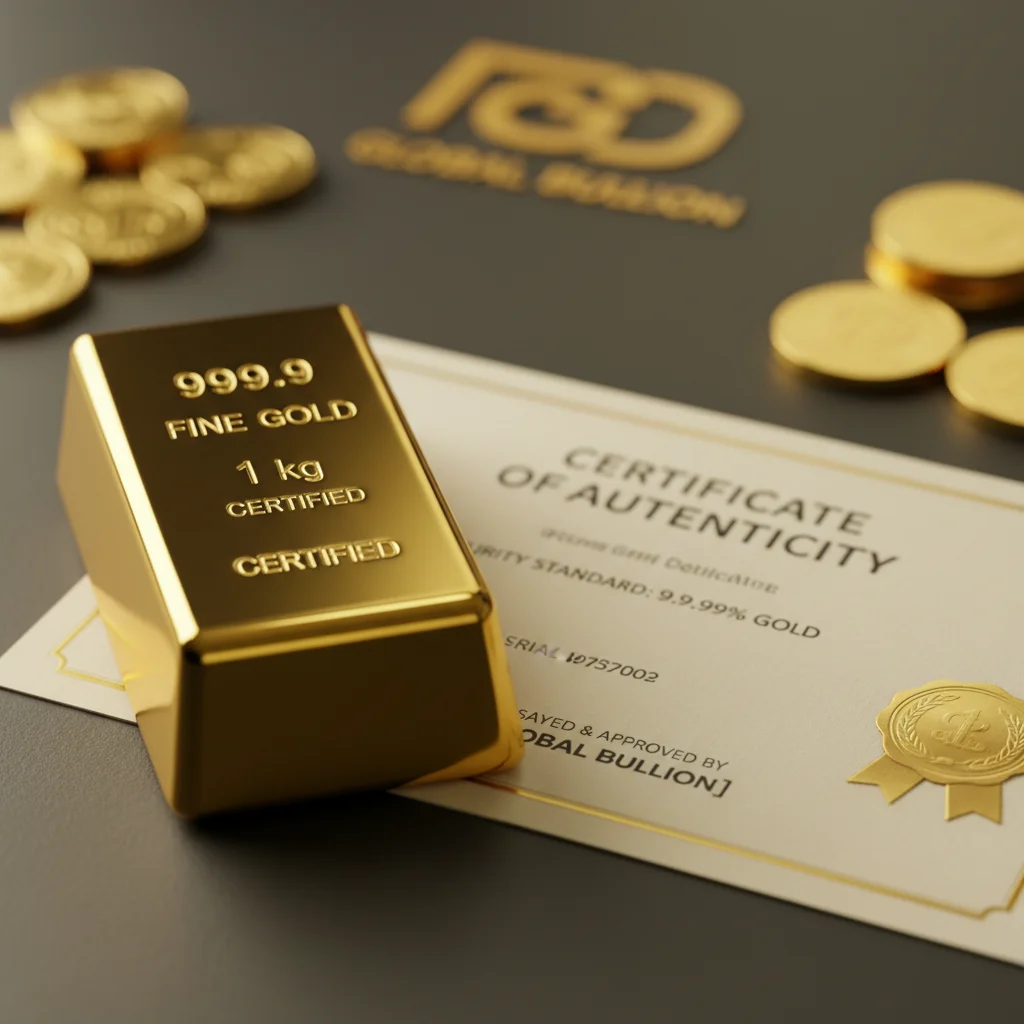
When including precious metals in a Precious Metals IRA, the IRS mandates specific purity levels. Gold must have a purity of 99.5%, with an exception for American Gold Eagles, which have a purity of 91.67%. Silver must have a purity of 99.9%. These standards ensure the metal’s quality and eligibility for inclusion in a tax-advantaged retirement account.
Reporting Requirements to the IRS

The IRS requires reporting of precious metals transactions exceeding certain thresholds. Sales above specific reporting thresholds may necessitate filing a 1099-B form, especially if the sale occurs through a dealer or brokerage. This form details the sale price, purchase price, and potential gain or loss, providing the IRS with a record of the transaction.
Even for smaller transactions below the formal reporting threshold, investors are still responsible for reporting any gains on their tax return. Failure to report can lead to penalties, interest, and potential audits. Maintaining meticulous records of all transactions, including purchase dates, prices, and any associated fees, is crucial for accurate tax reporting.
Tax-Advantaged Strategies
Investors can employ strategies to minimize their tax burden related to precious metals investments.
Precious Metals IRAs

Investing in precious metals through a Precious Metals IRA offers a tax-advantaged way to hold these assets. Gains within the IRA are tax-deferred until retirement, potentially reducing the overall tax liability. When taking distributions in retirement, the withdrawals are taxed at your then-current income tax rate.
Offsetting Gains with Losses

Investors can offset capital gains from precious metals sales by selling other investments at a loss, a strategy known as tax-loss harvesting. This can help minimize overall tax liability.
Penalties for Non-Compliance
Failure to comply with IRS regulations can result in significant penalties. Misreporting income, not reporting transactions, or failing to meet purity standards for precious metals in IRAs can all trigger IRS scrutiny. Such actions may lead to audits, interest charges, and civil or criminal penalties, depending on the severity of the violation.
Rollover Rules for Precious Metals IRAs
Rolling over funds from a traditional IRA or 401(k) into a Precious Metals IRA is a complex process governed by specific IRS rules. A direct rollover, where funds are transferred directly from one retirement account to another, is generally tax-free. However, indirect rollovers, where the investor receives a check and then reinvests the funds, must be completed within a specific timeframe to avoid tax implications.
Required Minimum Distributions (RMDs)
Individuals holding precious metals within a retirement account must also understand the rules regarding Required Minimum Distributions (RMDs). The age for beginning RMDs is 73 (rising to 75 in 2033), as mandated by the SECURE 2.0 Act. Failure to take RMDs can result in a penalty of 25% of the amount that should have been withdrawn, a reduction from 50% thanks to the SECURE 2.0 Act.
Dealer Reporting Requirements
Precious metals dealers also have reporting obligations to the IRS. Dealers are required to report transactions meeting certain criteria, such as cash payments over $10,000. This reporting helps the IRS track transactions and ensure tax compliance across the precious metals market.
State Sales Tax Considerations
In addition to federal taxes, investors should be aware of state sales taxes on precious metals purchases. Many states offer exemptions for certain types of bullion or coins, while others impose sales tax on all precious metals transactions. Consulting with a tax professional to understand the specific sales tax rules in your state is essential for minimizing tax liabilities.
Estate Planning Implications
Precious metals holdings should be integrated into an overall estate plan. Proper planning can help minimize estate taxes and ensure the smooth transfer of assets to heirs. Strategies such as establishing trusts or making gifts of precious metals can help reduce the taxable estate and provide for loved ones.
Navigating International Transactions
For investors engaging in international precious metals transactions, additional regulations and reporting requirements may apply. Importing or exporting precious metals may require filing specific forms with U.S. Customs and Border Protection. Additionally, foreign financial accounts holding precious metals may need to be reported to the IRS under the Foreign Account Tax Compliance Act (FATCA).
Staying Informed and Seeking Professional Advice
The regulatory and tax landscape for precious metals is subject to change. Staying informed about the latest IRS guidelines, rulings, and legislative updates is crucial for maintaining compliance. Consulting with a qualified tax advisor or financial planner who specializes in precious metals investments is highly recommended. These professionals can provide personalized guidance based on your individual circumstances and help you navigate the complexities of precious metals taxation.
Fee Comparison & Costs

Selecting a precious metals IRA provider demands careful consideration of fees, which significantly impact overall return on investment. These costs include setup, annual maintenance, storage, and transaction fees. Understanding these expenses is crucial for informed decision-making.
Initial Setup and Account Fees
The initial setup fee is a one-time charge to establish your precious metals IRA, covering administrative costs. Setup fees generally range from $0 to $80. American Hartford Gold waives this fee, while Noble Gold Investments charges a setup fee of $80.
Annual Maintenance and Storage Fees
Annual fees cover the ongoing maintenance of your account. These are often divided into maintenance (administration, customer service, regulatory compliance) and storage fees. As physical precious metals must be stored in an approved depository, storage fees cover insuring and safeguarding your holdings.
Fee Structures:
- Flat-Rate Fees: A flat annual fee, regardless of account balance.
- Tiered Fees: The annual fee varies based on investment size.
- Percentage-Based Fees: A percentage of total assets held.
Specific Examples:
- Augusta Precious Metals charges $100 annually for custodian services and $100 for storage.
- Goldco offers non-segregated storage for $100 annually and segregated storage at $150 per year.
- American Hartford Gold has a combined storage and maintenance fee of $180 per year.
- Birch Gold Group charges $180 annually for these combined services.
- Noble Gold Investments charges $150 per year.
Minimum Investment Requirements
Most precious metals IRA providers require a minimum investment to open an account. Minimums range from $10,000 to $50,000. American Hartford Gold and Birch Gold Group both offer minimums of $10,000. Noble Gold Investments requires a $20,000 minimum. Goldco’s minimum is $25,000, and Augusta Precious Metals requires a $50,000 minimum.
Transaction Fees
Transaction fees may apply when buying or selling precious metals within your IRA. Inquire about these fees upfront.
Storage Options and Security
The IRS mandates that all precious metals held within an IRA must be stored in an approved depository.
Segregated vs. Non-Segregated Storage:
- Segregated Storage: Your metals are stored separately, ensuring your specific items are returned upon distribution. Goldco offers this option.
- Non-Segregated Storage (Comingled): Your metals are stored alongside other investors’ holdings. You will receive generic items of the same type and purity standards upon distribution, not necessarily the exact items you purchased.
Due Diligence: Beyond the Advertised Fee
Before committing to a provider, conduct thorough due diligence.
- Read Customer Reviews: Look for independent reviews from reputable sources like the Better Business Bureau (BBB), Trustpilot, and ConsumerAffairs.
- Check for Hidden Fees: Ask for a complete fee schedule.
- Verify Storage Security: Confirm that the depository is licensed, insured, and regularly audited.
- Understand Buyback Policies: Inquire about buyback policies and associated fees or penalties.
- Seek Expert Advice: Consult with a financial advisor or tax professional.
Fee Comparison Table
The following table summarizes key fees and minimum investment requirements.
| Company | Setup Fee | Annual Fee | Minimum Investment |
|---|---|---|---|
| Augusta Precious Metals | $50 | $100 (Custodian) + $100 (Storage) | $50,000 |
| Goldco | $50 | $100 (Non-Segregated) or $150 (Segregated) | $25,000 |
| American Hartford Gold | $0 | $180 (Storage + Maintenance) | $10,000 |
| Birch Gold Group | $50 | $180 | $10,000 |
| Noble Gold Investments | $80 | $150 | $20,000 |
Strategic Considerations for Cost Optimization
While fees are important, they shouldn’t be the sole determining factor.
- Negotiate Fees: Some providers may negotiate fees, especially for larger investments.
- Consolidate Accounts: Consolidate multiple retirement accounts into a single precious metals IRA to reduce annual fees.
- Long-Term Investment: Holding your metals long-term can help offset initial fees.
- Monitor Market Conditions: Adjust your investment strategy as needed.
- Tax-Advantaged Growth: As noted previously, the tax-deferred or tax-free growth potential can help offset costs over time.
Gold Market Dynamics & Investment Horizon
External market forces can influence the perceived cost-effectiveness. For example, consider the observations made in early 2026:
- Gold’s Rally: Gold’s impressive rally took it above US$5,000.
- January Surge: The precious metal experienced a 14% surge in January.
- All-Time Highs: The month closed at US$4,982/oz and scored 12 all-time highs.
- ETF Support: Global gold ETF flows added 120t in January, taking holdings to a new record valued at US$669bn.
Given these dynamics, a long-term investor might view annual fees as a smaller percentage of overall gains, especially if de-dollarization trends continue.
Careful evaluation of fees, storage options, minimum investments, and market dynamics is essential for maximizing the benefits of a precious metals IRA. While geopolitical instability can drive short-term gains, optimizing your cost basis is foundational for long-term capital preservation.
Understanding Rollover Rules and Penalties
Gold IRA rollovers are subject to specific IRS regulations designed to maintain the tax-advantaged status of retirement accounts. Investors are increasingly exploring these rollovers amidst economic uncertainty, inflation concerns, and market volatility.
Key IRS Guidelines
The 60-day rollover rule is crucial: funds distributed from the original retirement account must be deposited into the new Gold IRA within 60 days. Failure to meet this deadline results in a taxable distribution, potentially triggering early withdrawal penalties. The one-rollover-per-year rule also applies to IRA-to-IRA rollovers, limiting investors to one rollover within a 12-month period (direct transfers between custodians are exempt).
Purity and Storage Mandates
The IRS sets strict requirements on the type of gold that can be held in a Gold IRA. Only approved gold coins and bars that meet purity standards are allowed, and the metals must be stored in an IRS-approved depository. Personal possession of the gold is prohibited.
Gold held in a Gold IRA must meet a minimum purity of 99.5%, with the exception of American Gold Eagles (91.67% purity). Silver requires 99.9% purity. Collectible coins, rare coins, and jewelry are generally disallowed.
Direct vs. Indirect Rollovers
Investors choose between a direct and indirect rollover. A direct rollover moves funds directly from the existing retirement account to the new Gold IRA custodian. The investor never takes possession, reducing the risk of missed deadlines or taxes. Direct rollovers are generally preferred for their simplicity and lower compliance risk.
An indirect rollover distributes funds to the account holder first. The investor must then redeposit the funds into the Gold IRA within 60 days. Missing the deadline results in taxes and early withdrawal penalties, and mandatory withholding may apply.
Avoiding Common Mistakes
Several common mistakes can lead to unintended tax consequences or penalties. Missing the 60-day rollover deadline is a frequent error. Selecting non-approved gold products is another. Always verify that all metals are IRS-approved before purchase.
Some investors also overlook fees associated with custodians, storage, and transactions. Understanding the long-term cost structure is essential. Finally, storing gold personally rather than using an approved depository is a serious compliance violation.
Custodial Responsibilities
A qualified self-directed IRA custodian administers the account, handles paperwork, and ensures IRS compliance. The custodian facilitates the purchase of IRS-approved gold products on the investor’s behalf and ensures the gold is shipped to and stored in an IRS-approved depository.
Fees and Costs
A Gold IRA rollover involves several types of fees, as discussed. These costs are common across most self-directed precious metals IRAs but can vary depending on the custodian, depository, and service structure.
Custodial fees cover account setup, administration, recordkeeping, and IRS reporting. Storage and insurance fees are required for gold held in an approved depository. Transaction-related costs may include dealer markups or spreads when purchasing IRS-approved gold.
Illustrative Scenario: The Missed Deadline
Consider an investor who initiates an indirect rollover from a traditional IRA to a Gold IRA. The investor receives a distribution of $50,000 on March 1, 2026, intending to deposit it into the new Gold IRA. Due to unforeseen circumstances, the investor fails to deposit the funds until May 5, 2026.
In this scenario, the investor exceeded the 60-day rollover deadline, which began on March 2, 2026, and expired on May 1, 2026. As a result, the IRS may treat the $50,000 as a taxable distribution for the 2026 tax year. The investor would be required to report the $50,000 as income on their tax return and pay income tax at their applicable tax rate.
Furthermore, if the investor is under the age of 59 1/2, the distribution may also be subject to a 10% early withdrawal penalty of $5,000, in addition to the income tax owed on the distribution.
To avoid this outcome, the investor should have requested an extension from the IRS or explored alternative options, such as a direct rollover, to ensure compliance with the 60-day rule. Careful planning and adherence to IRS guidelines are essential to maintaining the tax-advantaged status of retirement funds.
How to Choose the Best Gold IRA Provider
Selecting the right Gold IRA provider is a critical decision impacting long-term portfolio performance. Investors must navigate varying fee structures, service levels, and investment options.
Due Diligence: Transparency and Longevity
Scrutinize a provider’s track record, looking for transparency in fee disclosures, storage policies, and buyback options. Longevity in the precious metals market indicates stability. Established firms have weathered economic cycles and demonstrated commitment.
Augusta Precious Metals: Educational Focus
Augusta Precious Metals emphasizes investor education, notably through a web conference led by Harvard-trained economists. This focus on informed decision-making distinguishes them. Augusta Precious Metals maintains a 4.9/5 rating.
Goldco: Streamlined Services
Goldco offers a streamlined approach to Gold IRA setups. Their user-friendly website benefits investors new to self-directed IRAs. Goldco is known for offering up to 10% back in free silver.
American Hartford Gold: Price Matching
American Hartford Gold offers a price match guarantee, a valuable asset for investors seeking competitive pricing.
Birch Gold Group: Fee Transparency
Birch Gold Group emphasizes fee transparency, aiding investors in accurately assessing costs. Birch Gold Group provides a detailed educational kit.
Noble Gold Investments: Survival Packs
Noble Gold Investments offers “Royal Survival Packs,” unique cash-purchase options featuring bullion packages for direct physical ownership.
Custodial Relationships and Storage Options
Verify the provider’s relationships with reputable custodians and IRS-approved depositories. The custodian manages administrative and reporting aspects, while the depository provides secure storage. As noted previously, segregated storage ensures your metals are stored separately.
Customer Service and Support
Evaluate customer service and support. Responsive, knowledgeable representatives can guide you through setup, answer questions, and provide assistance. Look for high customer satisfaction ratings. Orion Metal Exchange, for example, has a near-perfect Trustpilot score of 4.9/5.0, reflecting strong customer support.
Product Selection and Pricing
Ensure the provider offers a range of IRA-eligible precious metals. As a reminder, the IRS mandates specific purity requirements. Gold must meet 99.5% purity, while silver requires 99.9% purity. American Gold Eagles are an exception, with 91.67% purity.
Buyback Policies
Inquire about the provider’s buyback policy. A clear, transparent program allows you to sell metals back to the provider when liquidating.
Minimum Investment Requirements
Be aware of minimum investment requirements.
Fee Structures: A Critical Comparison
Understand fee structures. Providers may charge setup fees, annual maintenance fees, and storage fees. As noted previously, flat-rate fees offer greater predictability than percentage-based fees. Allegiance Gold, for example, offers free account setup.
Spotting Red Flags
Be wary of high-pressure sales tactics, unrealistic promises, or lack of fee transparency. Conduct thorough research and seek independent reviews.
Tax Implications and Reporting
Understand the tax implications. Traditional Gold IRAs offer pre-tax contributions and tax-deferred growth, while Roth Gold IRAs provide tax-free withdrawals, provided certain conditions are met. As noted previously, the 1099-B form is used to report sales of precious metals.
Silver Gold Bull: First-Time Investor Focus
Silver Gold Bull is a top choice for first-time gold IRA investors due to its customer support, low barrier to entry, and educational resources.
Allegiance Gold: Low Fee Focus
Allegiance Gold is a solid option for budget-minded investors. In addition to low fees for annual account usage and storage, the company also provides complimentary account setup.
Augusta Precious Metals: Transparency
Augusta Precious Metals’ transparency regarding fees, account minimums, and rules is notable.
JM Bullion: Product Selection
JM Bullion excels with its industry-leading selection of gold IRA investments and guidance for investors of all levels.
Setting Up Your Account
Opening a gold IRA typically involves completing an application, funding the account via rollover or transfer, selecting precious metals, and arranging secure storage at an IRS-approved depository. Silver Gold Bull charges a one-time fee of $50 for setting up an account and $275 annually for maintaining a gold IRA.
The Importance of Independent Research
Rely on independent research and consult a qualified financial advisor. A Gold IRA can diversify your retirement portfolio and preserve wealth, but requires diligence and informed decision-making.
Market Data Integration
| Feature | Tangem Wallet | Ledger Nano X | NGrave Zero |
|---|---|---|---|
| Security | EAL6+ Secure Element, PIN protection | PIN & 24-word recovery phrase, EAL5+ Secure Element | Tamper-proof, multiple layers of security |
| Compatibility | 80+ networks | Multi-currency support | Unknown |
| Price | Unknown | Unknown | Unknown |
| User Reviews | Best overall (Feb 2026) | Top hardware wallet for 2026 | Best for security |
| Ratings | High | High | High |
| Recovery | Recovery phrase | 24-word recovery phrase | Unknown |
| Ease of Use | Simple | Beginner-friendly | Unknown |
| Open Source | Unknown | Unknown | Unknown |
Tactical Action Plan: Emergency Gold Update - Capital Preservation Checklist
This Tactical Action Plan consolidates expert insights for preserving capital amidst current market conditions. Execute the following steps with precision:
I. Acquisition Targets & Timing:
- BUY Physical Gold: Allocate a significant portion of your portfolio to physical gold.
- WHEN TO BUY: Implement a dollar-cost averaging strategy. Buy incrementally during market dips to mitigate risk.
- ALLOCATION RATIO: Aim for a gold allocation of 10-20% of your total investment portfolio as a baseline. Adjust based on your risk tolerance and market volatility.
- CONSIDER Silver: Diversify precious metal holdings by including silver. A gold-to-silver ratio between 60:1 and 80:1 is generally considered a good buying opportunity for silver.
II. Storage & Security:
- SECURE Storage: Prioritize secure storage solutions for physical gold and silver.
- Home Safe: Invest in a high-quality, fireproof, and theft-resistant safe.
- Bank Vault: Consider a safety deposit box at a reputable bank.
- Private Vault: Explore private vault services for enhanced security and privacy.
- INSURANCE: Ensure your precious metals are adequately insured against theft, damage, or loss, regardless of storage location.
- AVOID Counterfeit: Purchase gold and silver from reputable dealers to avoid counterfeit products. Verify authenticity through certifications like those provided by the U.S. Mint or reputable assayers.
III. Exit Strategy:
- DEFINE Triggers: Establish clear price targets or economic indicators that would trigger a reduction in your gold holdings.
- GRADUAL Selling: Implement a gradual selling strategy to avoid disrupting the market and maximize returns.
- REINVEST Strategically: Reinvest profits from gold sales into undervalued assets or high-growth opportunities when market conditions stabilize.
- MONITOR Continuously: Stay informed about market trends, geopolitical events, and economic indicators to make informed decisions about your gold holdings.
IV. Gold Products
- GOLD Bars: Purchase gold bars for maximum gold weight and lowest premium.
- GOLD Bullion Coins: Buy gold bullion coins (e.g., American Eagles, Canadian Maple Leafs) for liquidity and recognition.
- GOLD Jewelry: Don’t buy gold jewelry for investment purchase, jewelry markups are too high.
- GOLD ETFs: Consider GOLD ETFs for liquidity, but be aware of the counter-party risk.
Recommended Reading
- Read: Gold IRA Guide
-
Read: [[INFLATION_HEDGING Inflation Hedging]] -
Read: [[PRECIOUS_METALS_INVESTMENT Precious Metals Investment]]